


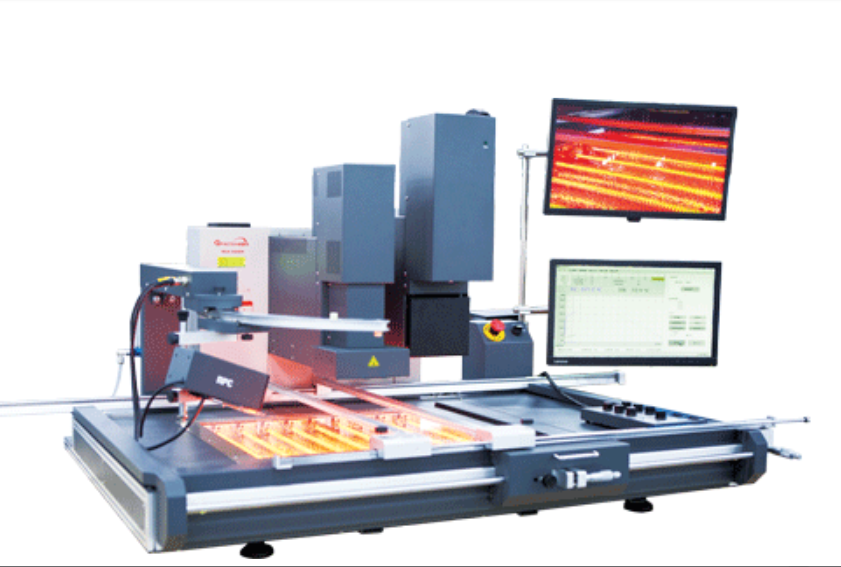
Getting the Heat Right for Smart Meter PCBs
If you’ve ever worked with smart meter PCBs, you know the struggle. You need the solder joints to be rock solid, but you can’t just blast the board with heat or you’ll fry the delicate components on top. That’s where short-wave infrared (IR) lamps come in. Instead of just heating up the air, these lamps push energy straight through the board substrate. It’s targeted. Efficient. And it keeps those surface components from getting cooked. The Balancing Act Here is the tricky part: it’s all about the wattage and the voltage of your quartz tubes. High-wattage lamps get a board up to temp in a matter of seconds. But you have to play a bit of a game with your conveyor speed. If you push too much power too fast? The board warps. Too little? You end up with cold solder joints that will fail the moment they hit the field. You’re looking for that “sweet spot” where the temperature stays flat across the whole surface. Built to Take a Beating These aren’t your average light bulbs. We use high-purity quartz glass because the constant heating and cooling would shatter anything weaker. Inside, there’s a tungsten filament sitting in a halogen-filled atmosphere. This stops the glass from turning dark and cloudy over time, which would kill your heat output. And because things eventually break, we use standard R7s or SK15 connectors. When a lamp finally gives up the ghost, you just pop it out and drop a new one in. No fuss. Plus, the housings are built to handle high current without melting into a puddle. Real-World Production Most folks are swapping out those massive, slow convection ovens for these IR setups. Since you’re heating the PCB directly, you don’t have to wait forever for the oven to warm up. It just works. But, look out for the “edge effect.” Heat tends to bunch up at the ends of the lamp, which can leave you with hot spots on the edges of your boards. You’ll need to spend some time tweaking your shielding and spacing to get that profile perfectly flat. Once you’ve got the wiring dialed in, you’ll notice your curing station takes up way less floor space. And your throughput? It picks up speed. Fast.