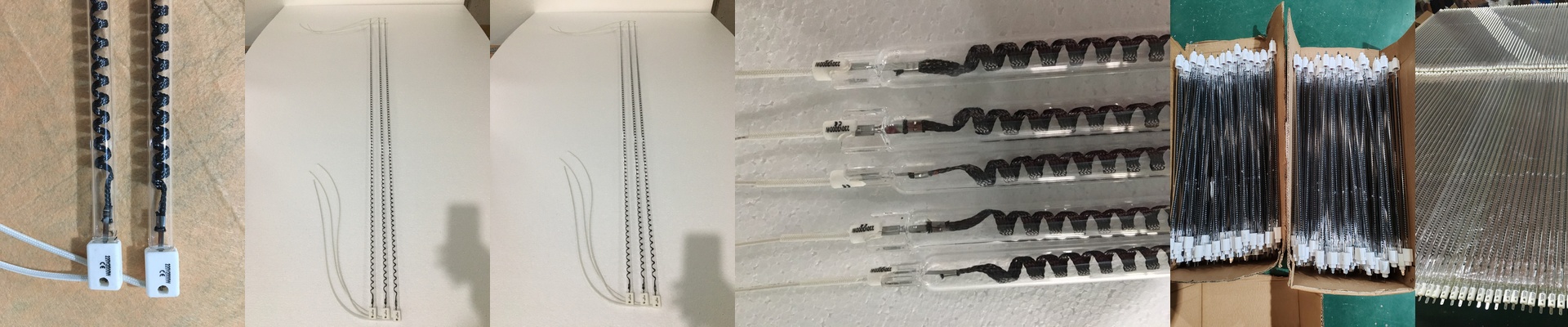
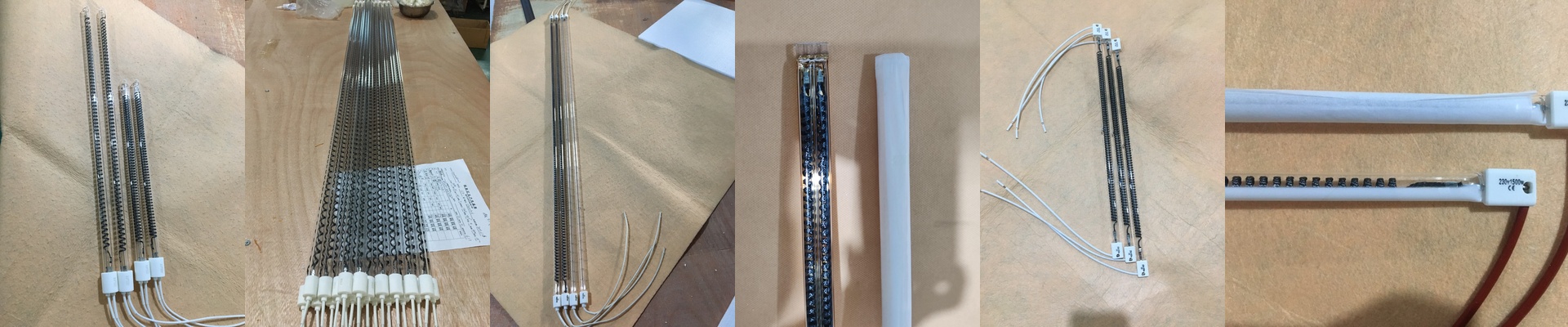
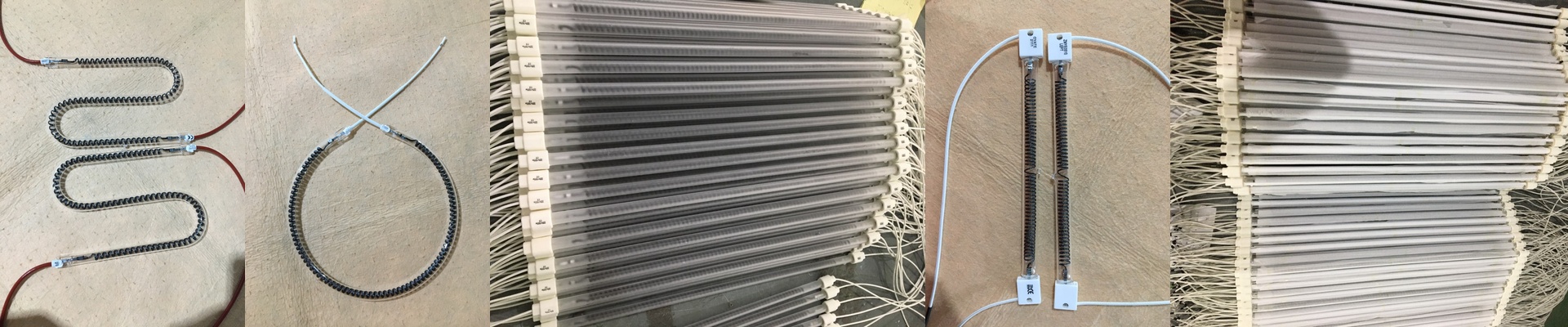
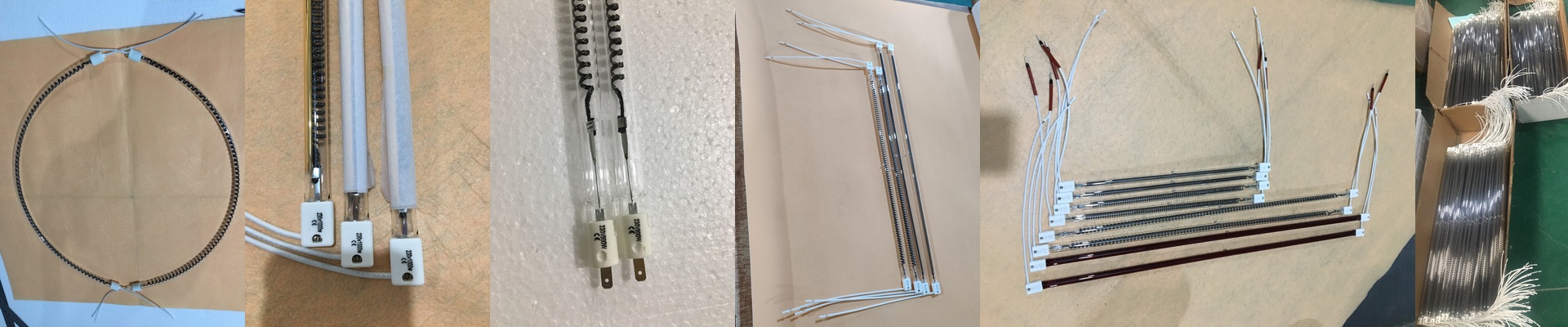
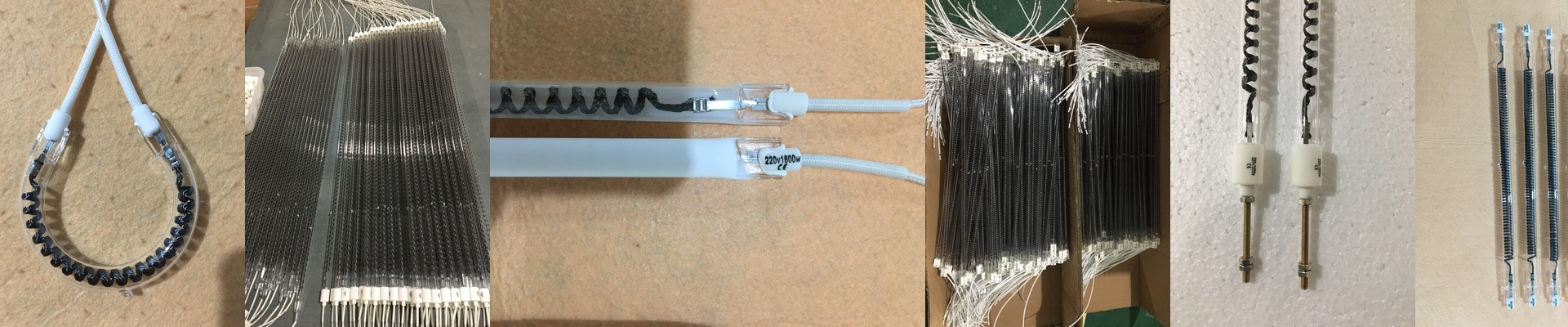
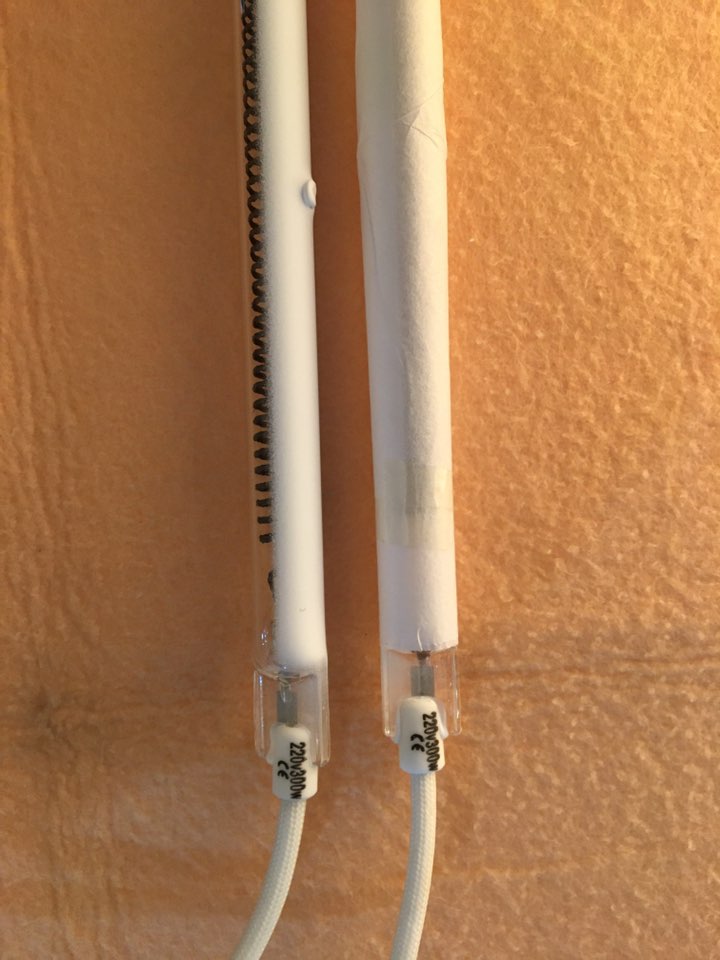
Let’s Talk About Our 220V 1500W Carbon Fiber Heating Tubes
If you need heat—and you need it now—these carbon fiber tubes are exactly what you’re looking for. We built these for the kind of jobs where waiting for a machine to warm up is just a waste of time. Instead of relying on old-school metal coils, we use carbon fiber. It doesn’t just get hot; it pushes out concentrated infrared radiation.
The Power Side of Things
Running at 220V and 1500W, these plug right into your standard industrial setup. The 1500W kick means you aren’t sitting around staring at a timer. It ramps up fast. We wrapped the filament in clear quartz for a reason. It lets the infrared light pass straight through. Instead of heating up the air around the tube (which is basically wasting energy), the heat hits your target directly. It’s efficient. Simple.
Why Carbon Fiber?
Metal filaments, like nichrome, have a habit of sagging over time. Carbon fiber doesn’t do that. It stays put. Plus, because the tube is clear, you can actually see what’s happening. If there’s a hot spot or a burnout, you’ll spot it immediately without having to guess. And here is the best part: carbon fiber doesn’t hold onto heat the way metal does. You can flip the power on and off quickly and you don’t have to worry about the glass cracking from the sudden temperature swing. It’s just more durable.
Real-World Use (And a Few Warnings)
You’ll mostly see these in PET blowing machines, drying tunnels, or shrink-wrap gear. If the size matches, they usually slide right into the spot where your old halogen lamps used to be. But, a word of caution. 1500W in such a small tube creates alotof intense, localized heat. If you cram these too close together in a heating bank, you’re going to have a bad time. You could melt your wiring insulation or fry your mounting brackets. Make sure your fans and vents are actually doing their job to move that ambient heat away from the ends of the tubes. Also, double-check your connectors. Make sure they can handle the current, or you’ll be looking at melted terminals.