Carbon Fiber Infrared Heaters: The Real Deal for Curing Car Paint
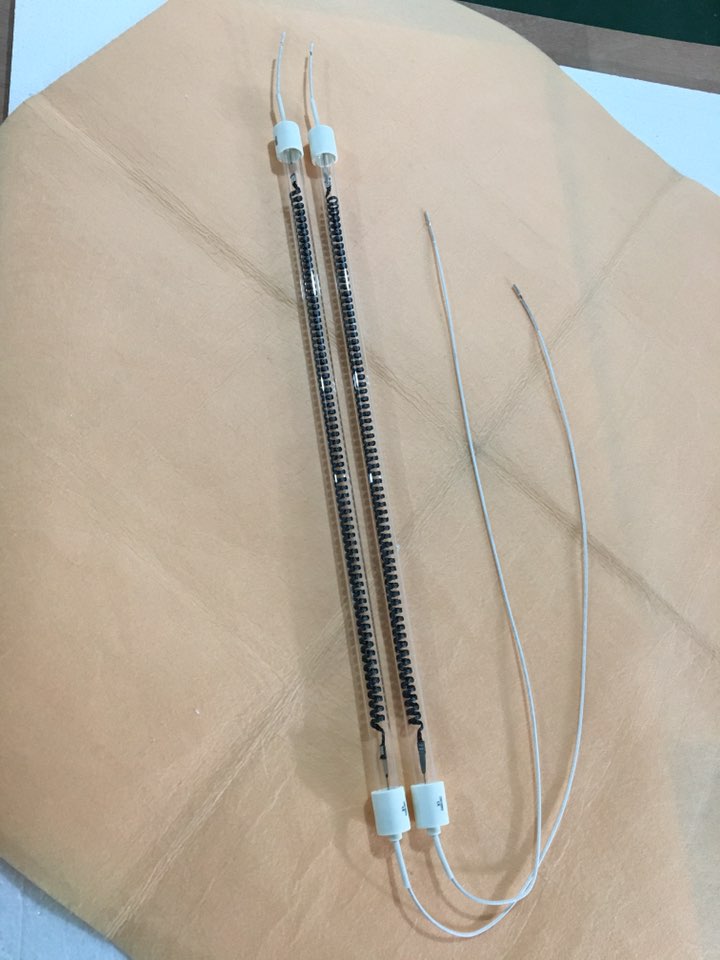
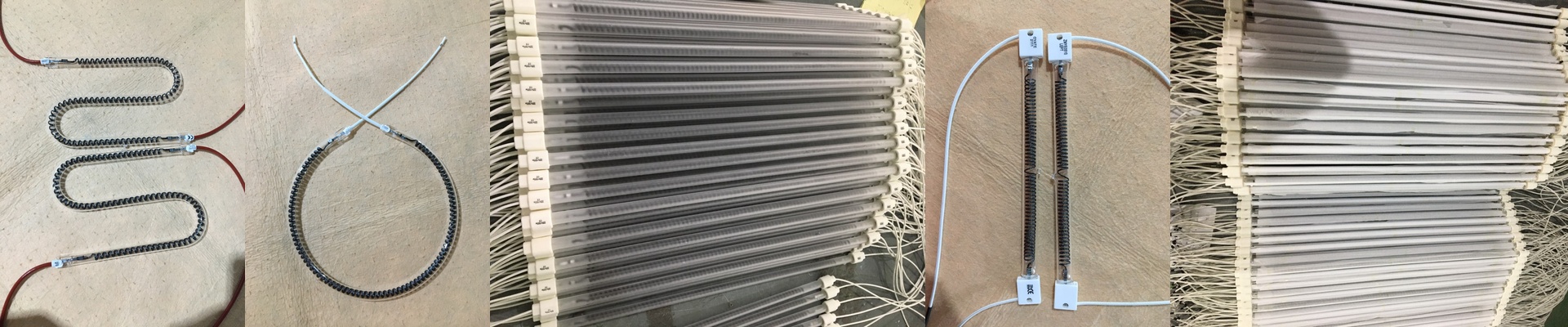
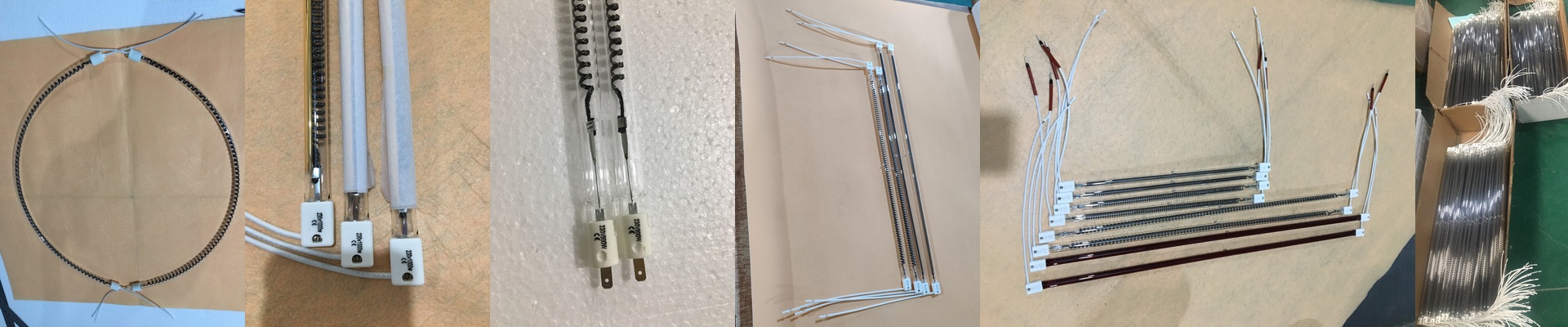
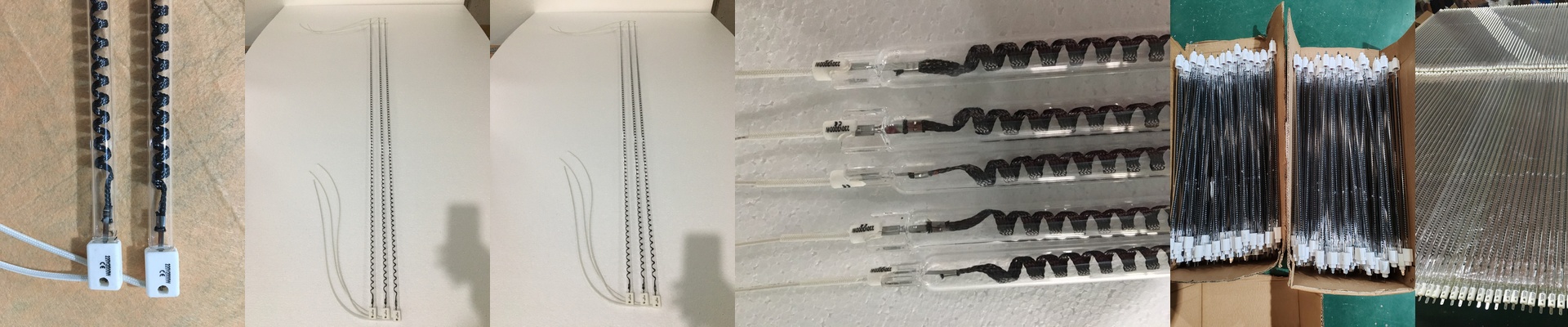
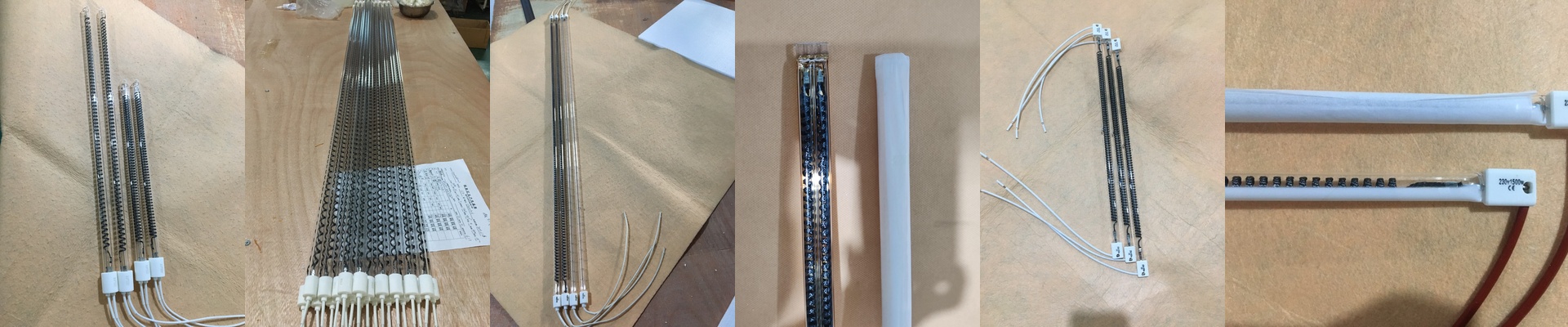
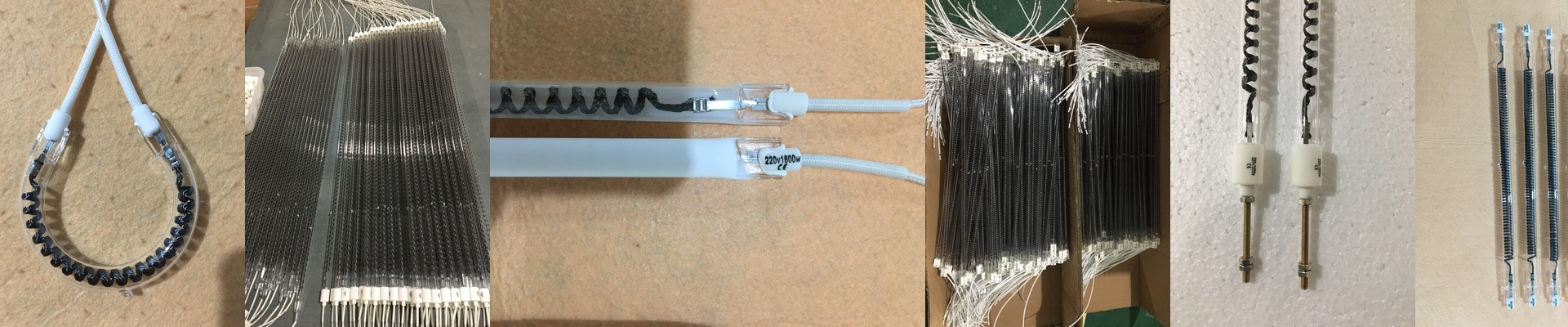
Here’s the thing about body shops: you need heat that hits fast, hits evenly, and doesn’t fight you. That’s exactly why we built these carbon fiber heating lamps for car drying and paint curing. They aren’t just “heat bulbs.” These are shortwave infrared emitters, built around a carbon filament inside a quartz sleeve. The goal is simple: pack in serious heat density without scorching the work.
Power, Voltage, and Why the Size Makes Sense
A typical unit runs at 400V and pulls 2500W. That choice is about one thing: getting a lot of heat out of a small footprint. The tube is often around 300mm long, which gives you a tight, focused heating zone that lines up with panel widths and booth layouts. That combo means high watt density, so you get a rapid temperature climb and shorter curing cycles. The physics are straightforward. Higher voltage lets you push more power through a given conductor size, which keeps the filament hot while keeping the whole package compact. That’s why you see 400V on a relatively short tube. But there’s a trade-off. That much power in a small space creates serious local heat. So your fixture, wiring, and cooling setup have to be rated for it. Plan accordingly.
Built to Stay Consistent: Halogen, Quartz, and a Smart Connector
Inside the quartz tube, the carbon filament runs with a halogen cycle. That gas helps prevent filament blackening and keeps output steady over time—especially important when you’re running curing cycles back to back. Quartz also transmits shortwave infrared efficiently, sending energy straight into the paint layer instead of wasting time heating the air around it. For the ends, we use an R7s connector. It’s a proven two-pin ceramic design that handles high temperature and gives you solid contact for high current. The payoff: the lamp drops right into standard curing fixtures. No fuss. No re-engineering.
On the Shop Floor: Faster Drying, More Predictable Results
In automotive paint drying, the shortwave output penetrates the wet film quickly. Solvents get driven out, and crosslinking accelerates—without the surface getting scorched. The result? Shorter dwell times and cure profiles you can count on, shift after shift. The carbon filament also handles thermal cycling better than a lot of metal-halide options, so you get consistent performance even when the day is hectic. If you’re wiring a new booth or upgrading an existing line, this lamp is a direct fit with predictable heat distribution, and it helps keep your cycle time tight. Just keep this in mind: with 2500W packed into a 300mm tube, your electrical circuit and mounting hardware need to match the load. Get that right, and the lamp does the rest.