Stop Guessing With Your SMT Heating
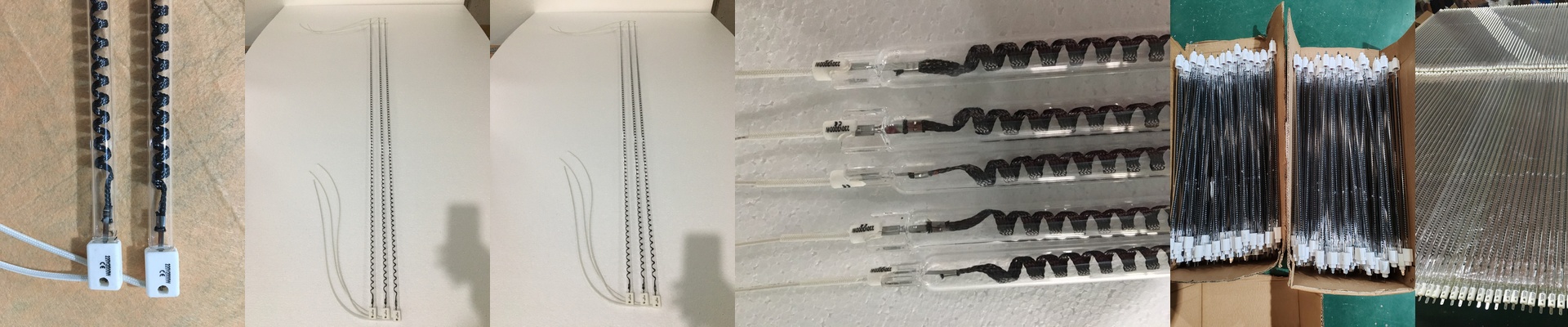
For the longest time, the infrared lamps in our SMT lines have been pretty “dumb.” You wire them in, set a timer or a thermocouple, and then just cross your fingers that they don’t blow out in the middle of a shift. It’s a bit of a gamble, honestly. But things are changing. Over the next few years, we’re going to see these lamps actually start “talking” to us through IoT.
Getting a Real Pulse on the Heat
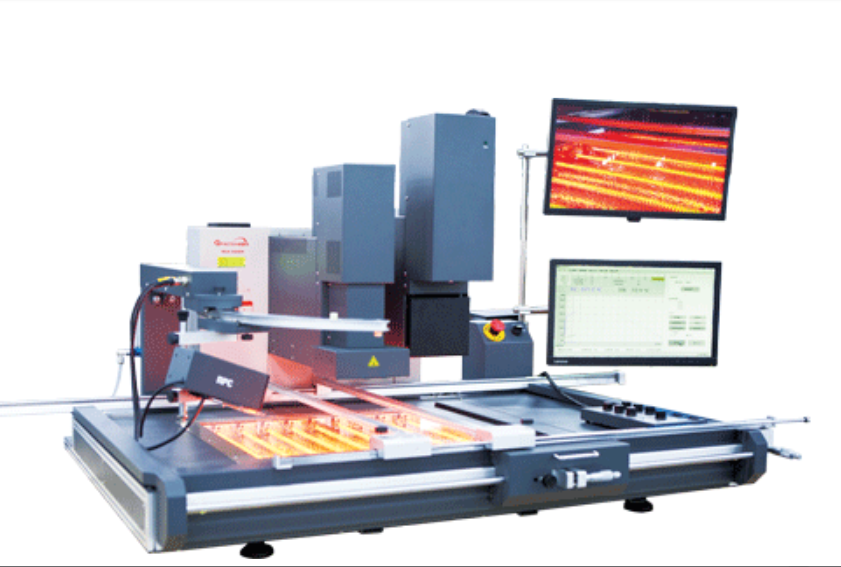
Right now, most digital PCB stations are basically guessing. They use external sensors to estimate the board temperature, but the lamp itself is silent. It doesn’t tell you a thing. Imagine if the sensor was built right into the housing. Suddenly, the hardware can tell you exactly how much wattage it’s drawing and how the filament is holding up. If the output starts to drift, the system pings youbeforeyour boards start failing inspections. No more surprises.
The Practical Side of “Smart” IR
Now, let’s be clear: the physics of shortwave or medium-wave radiation isn’t changing. Heat is still heat. What’s changing is how we handle it. When you link a lamp to a central PLC via IoT, you can tweak power curves on the fly. If you’re dealing with a thicker PCB substrate, you just adjust. It keeps the board from frying while making sure the solder paste actually hits that liquidus temperature. It’s just… smoother.
The Catch
Of course, adding brains to a heating element makes things a bit more crowded. You can’t just pop a smart lamp into a 20-year-old machine and expect it to work. You’ll need to update the control board and the wiring harness. Plus, you need a rock-solid network on the shop floor. If your factory WiFi is spotty, these “smart” features just become another thing to troubleshoot.
Why This Actually Matters
It comes down to one thing: we can stop guessing. Instead of tossing a lamp every 2,000 hours just because the calendar says so, you replace it when the data shows the intensity is actually dropping. Less downtime. Less waste. You stop treating your lamps like disposable parts and start treating them like a managed part of the process. It just makes sense.