Introduction
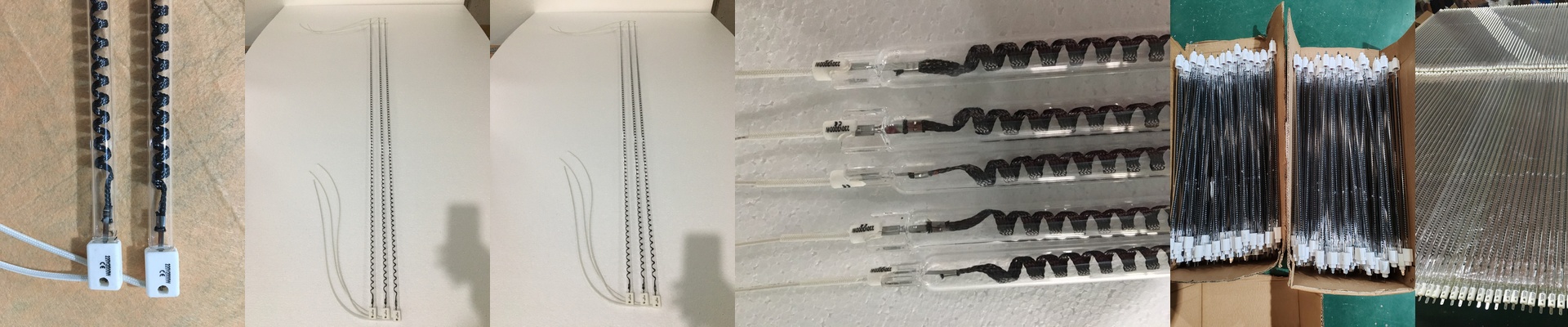
In the PET bottle blowing process, the heating stage dictates the entire line’s speed and quality. We built the medium-wave carbon fiber heat lamp specifically for this job. It replaces older halogen and short-wave designs with a focused, fast-response heat source that gives you tighter control over parison temperature without overloading the machine’s electrical budget.
Technical Deep-Dive: Power, Voltage, and Dimensions
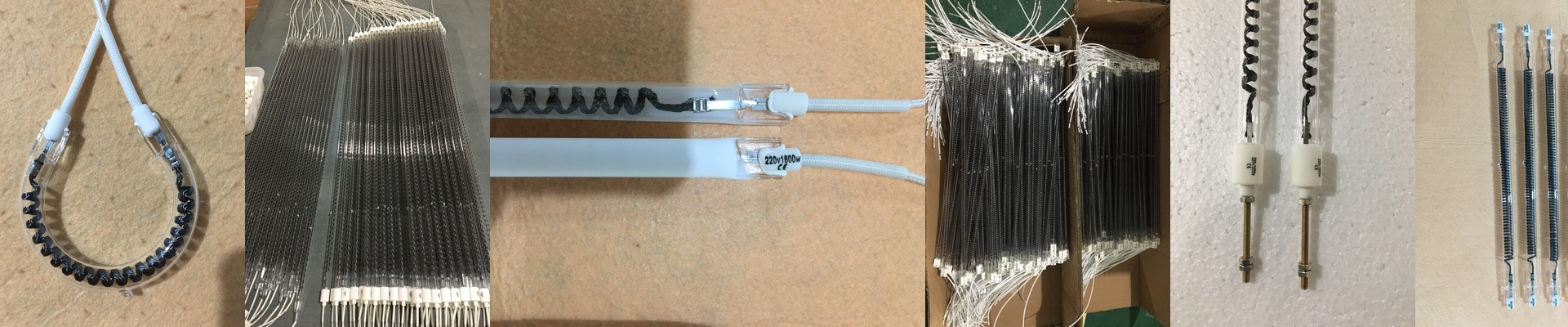
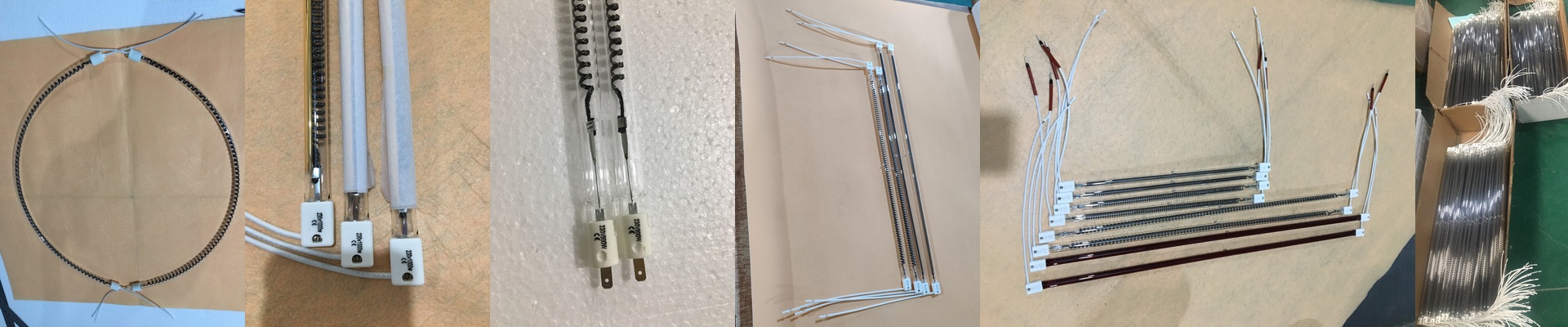
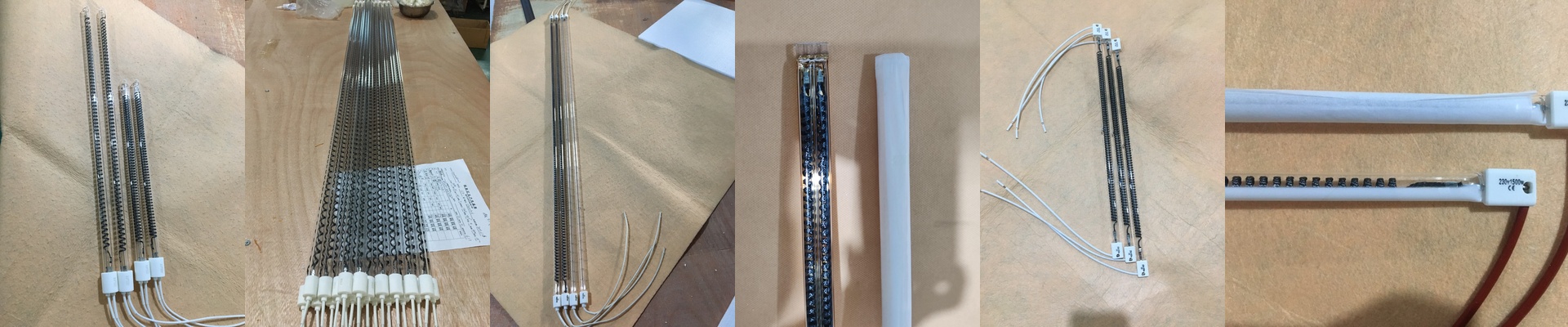
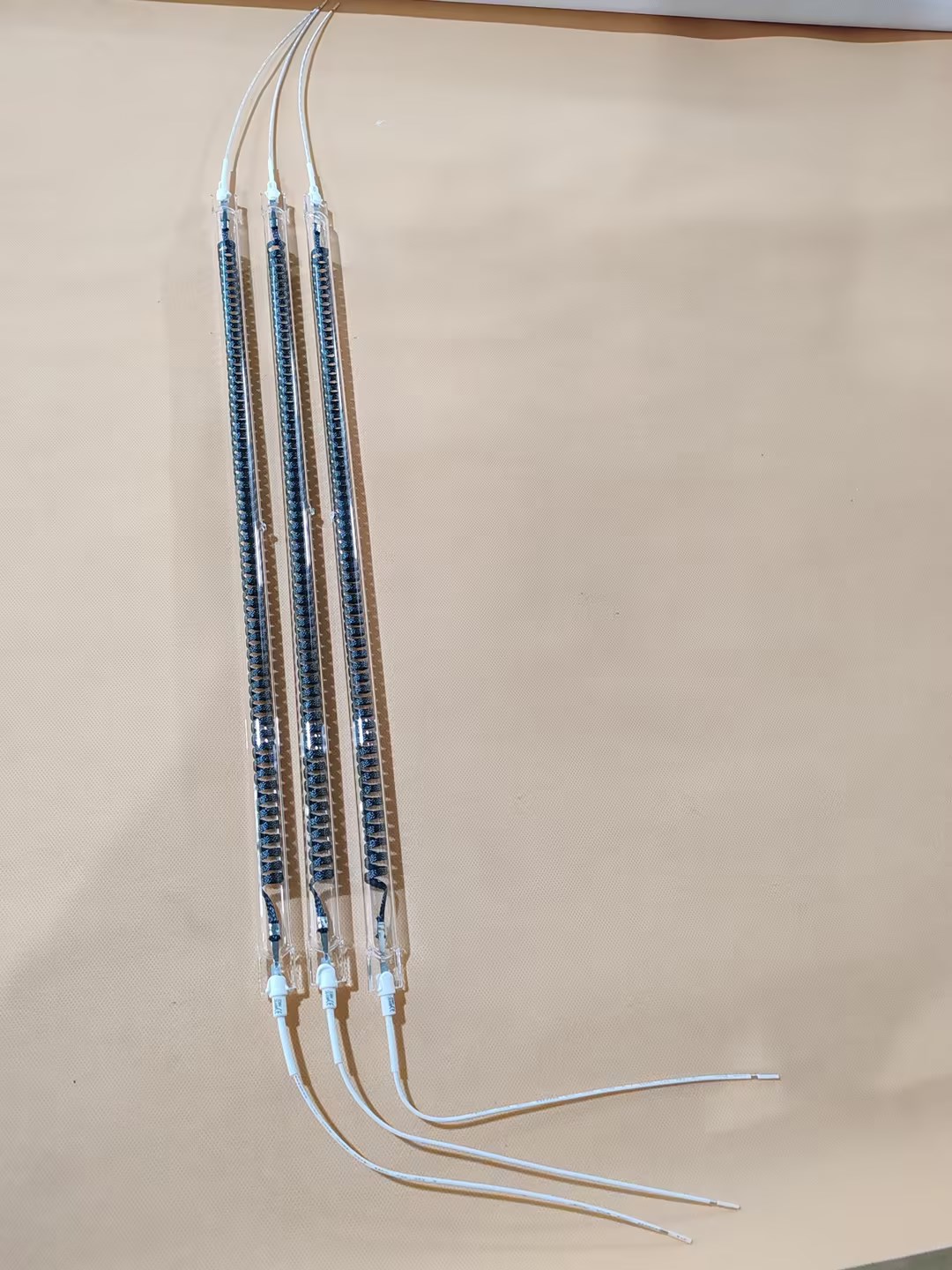
Medium-wave carbon fiber lamps are designed to deliver high heat density in a compact footprint, and the numbers tell the story. We spec these lamps to run at 400V, which allows the same power output with lower current compared to a 230V unit. Lower current means thinner wiring, smaller contactors, and less heat buildup in the control cabinet. Wattage is typically 2500W in a 300mm length. This combination concentrates energy into the parison zone, giving you rapid heating and fast recovery after bottle indexing. The 300mm length matches standard blowing head spacing, so you can drop the lamp into existing mounts without redesigning the clamp or oven section. The trade-off is straightforward: high power density demands proper cooling. If your machine runs at high duty cycles, the reflector area and lamp mount must be designed to shed heat, or you risk thermal stress on nearby components.
Material and Design: Carbon Fiber, Coating, and the R7s Connection
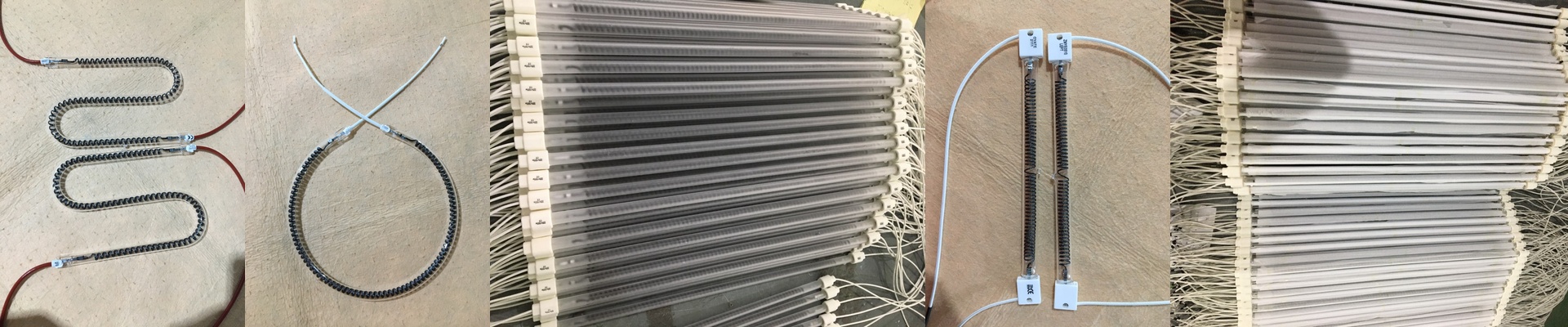
The core of this lamp is the carbon fiber filament, chosen for its resistance to thermal shock and its stable resistance as it heats. Medium-wave emission peaks in a band that penetrates PET effectively, heating the material volumetrically rather than just surface-scorching it. This reduces hot spots and gives you a more uniform parison temperature profile. The quartz envelope is coated to manage infrared distribution and protect the filament from contamination. The coating also helps maintain consistent output over time, so you do not see large shifts in heating performance between lamp changes. For installation, we use an R7s connector. This double-ended, linear contact design handles the current cleanly, supports easy replacement, and keeps alignment stable inside the reflector. The R7s base is a proven standard in industrial heating, meaning you can wire it up with standard terminals and get a solid mechanical hold without custom fixtures.
Application and Benefits in PET Blowing
On the blowing line, the lamp’s job is to bring the parison to the right elasticity quickly, then hold that temperature with minimal drift. Medium-wave carbon fiber lamps reach operating temperature in seconds, so you can match high-speed indexing without waiting for the oven to stabilize. The focused heat pattern allows tight control across the critical neck and body zones, reducing thickness variation and stress marks. From an engineering standpoint, this configuration simplifies the machine. The 400V rating keeps current manageable, the 300mm length fits standard layouts, and the R7s base makes replacement a fast, repeatable job. The carbon fiber filament takes a beating during thermal cycling, but it still needs clean mounting and a stable voltage supply. If your voltage sags or the contacts oxidize, you will see shorter life and uneven heating. For PET bottle blowing where uptime and repeatability matter, the medium-wave carbon fiber heat lamp gives you the heat density you need, the electrical compatibility you want, and the serviceability your maintenance team relies on.