250W Carbon Fiber Infrared Heat Lamp: Built for the Brute Work of Industrial Heat
We built this 250W carbon fiber heat lamp for people who work on the factory floor—engineers and makers who need a heat source that’s small, tough, and doesn’t mess around. This isn’t a do-everything bulb. It’s a focused heating tool, designed for tight spots where you need heat on demand, right now.
Power, voltage, and size: the details that matter
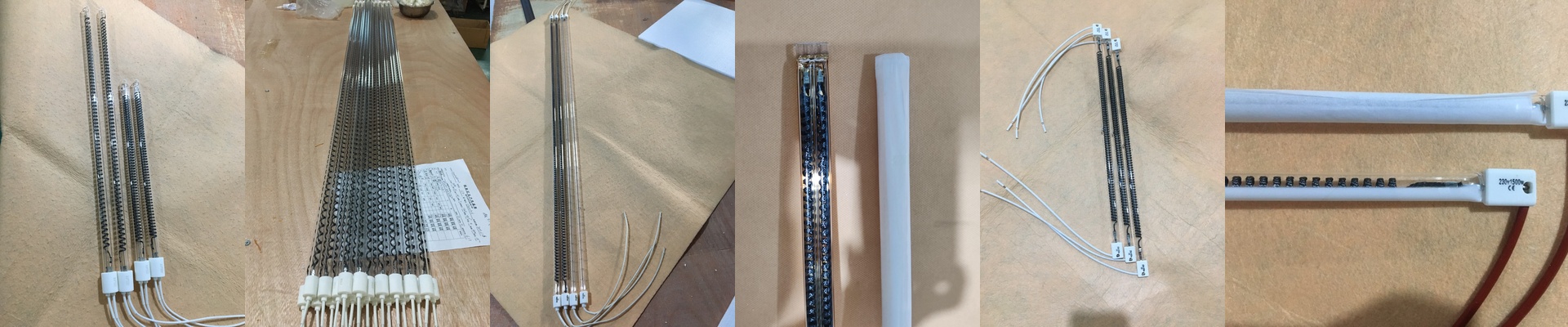
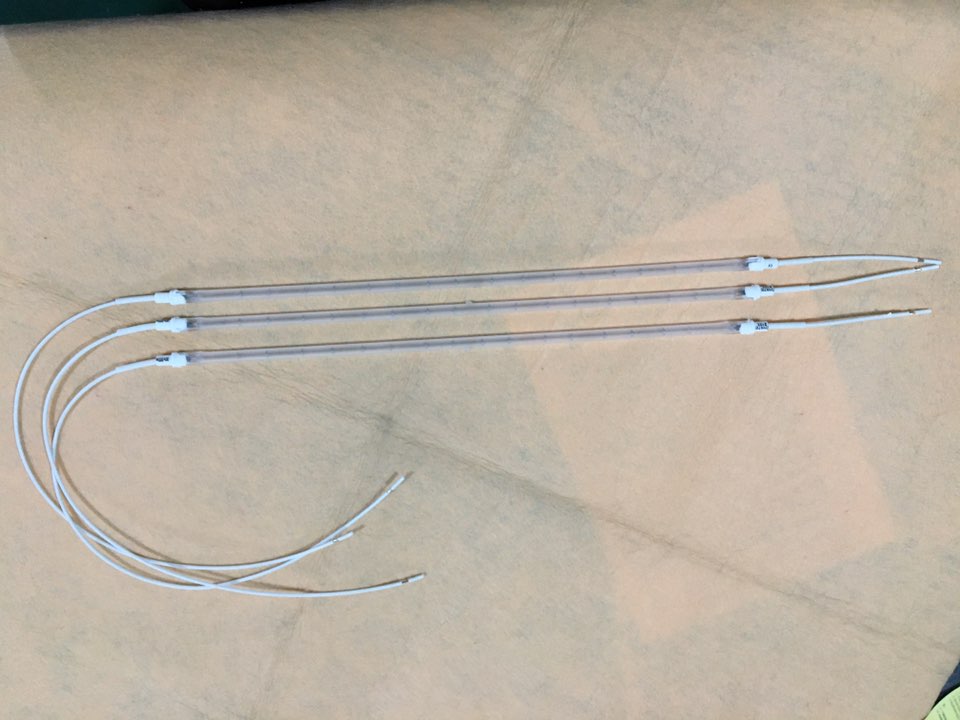
It runs at 250W—just enough to pack serious heat density without overloading the control circuits on compact equipment. And the voltage? It’s chosen to match what industrial control panels actually run—typically 230V or 400V. So you can spec the lamp to fit your machine, instead of rewiring the whole line. At about 300mm long, it keeps a short footprint. That means it slips into cramped heating zones with no fuss. You get heat where you need it, where you need it. Less wasted energy. Less unwanted heat bleeding onto nearby parts.
What’s inside: carbon fiber, quartz, and a mounting setup that just works
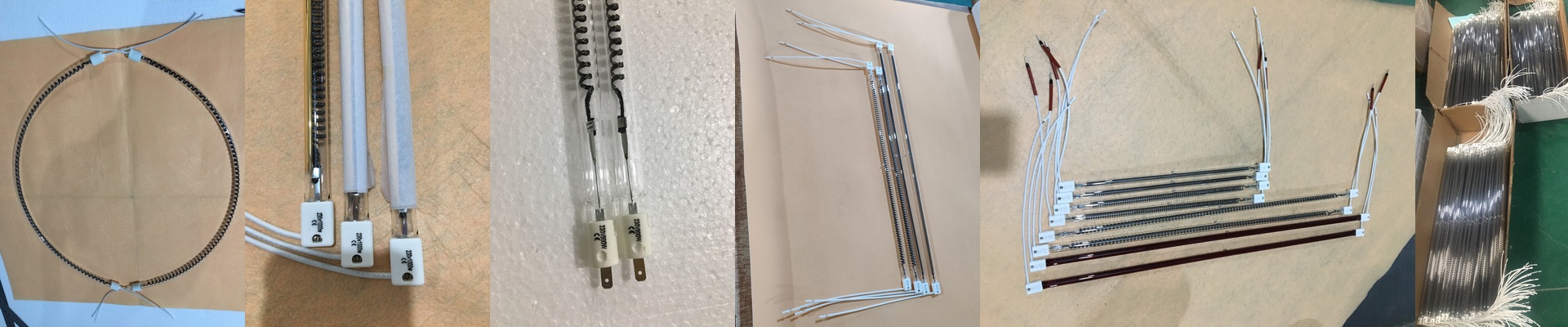
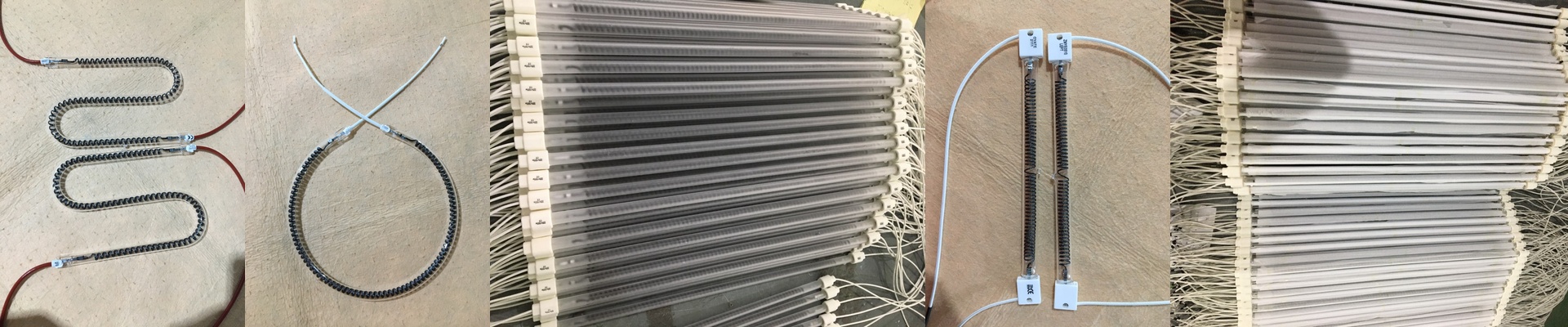
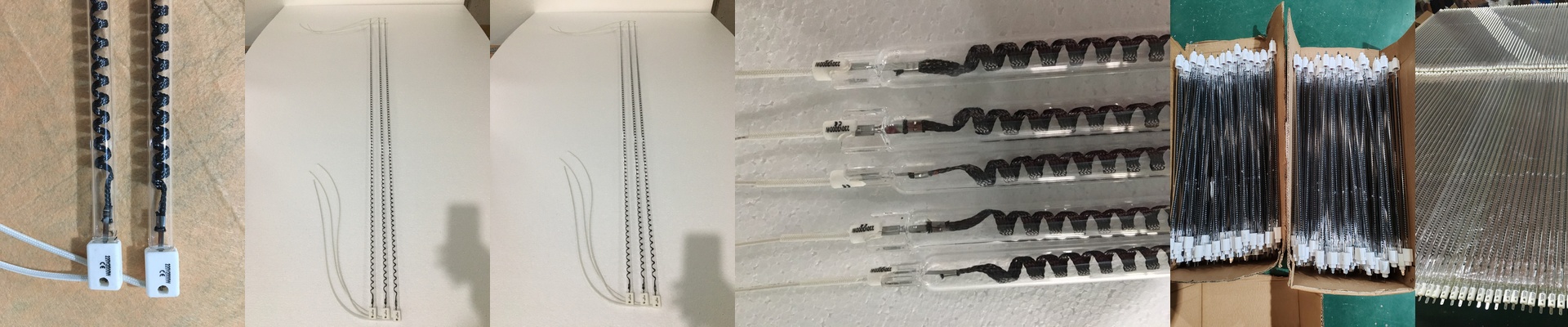
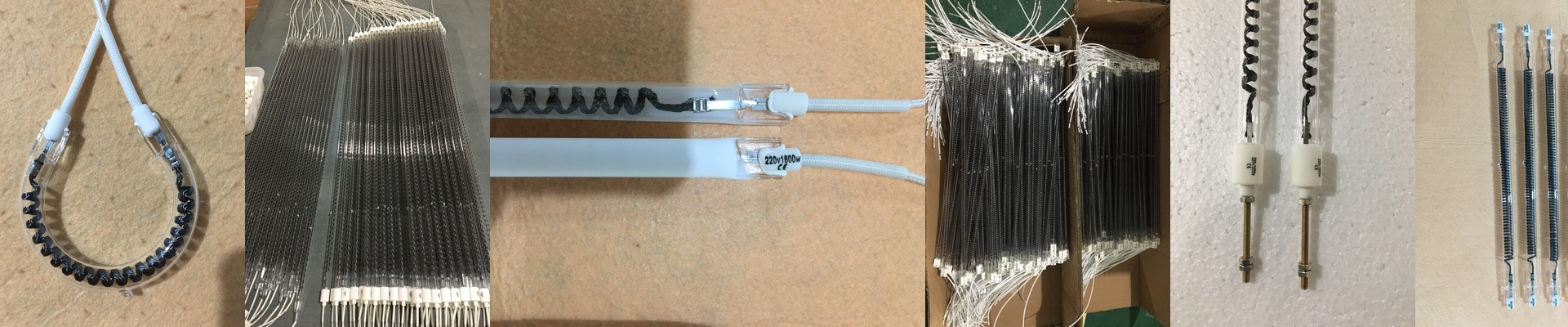
Inside, a carbon fiber heating element runs through a quartz envelope. Carbon fiber gives you fast ramp-up and steady resistance, even after repeated heating cycles. That helps cut down stress on the element and keeps it from burning out early. The quartz envelope handles high temperatures and keeps infrared energy moving consistently. For mounting, it uses a double-ended connector—most often an R7s base. It’s the kind of setup that makes installation feel straightforward. You wire it in, set the focal distance, and it stays put. No wrestling. No second-guessing.
Where it shines: fast, localized heat for real production work
This lamp is at home wherever you need quick, targeted heat: plastic welding, component drying, adhesive curing—jobs that can’t wait around for a slow warm-up. The carbon fiber element hits operating temperature fast, so cycle times shrink. That’s the kind of difference you feel on the line.
The catch: plan for the heat
Let’s be honest—this is concentrated power in a 300mm package. So you need to get your cooling and clearance right. Spec it properly, and pair it with the right reflector. Do that, and you get predictable heat patterns and repeatable performance—day after day, without drama.