What’s really under the hood: power, voltage, and size
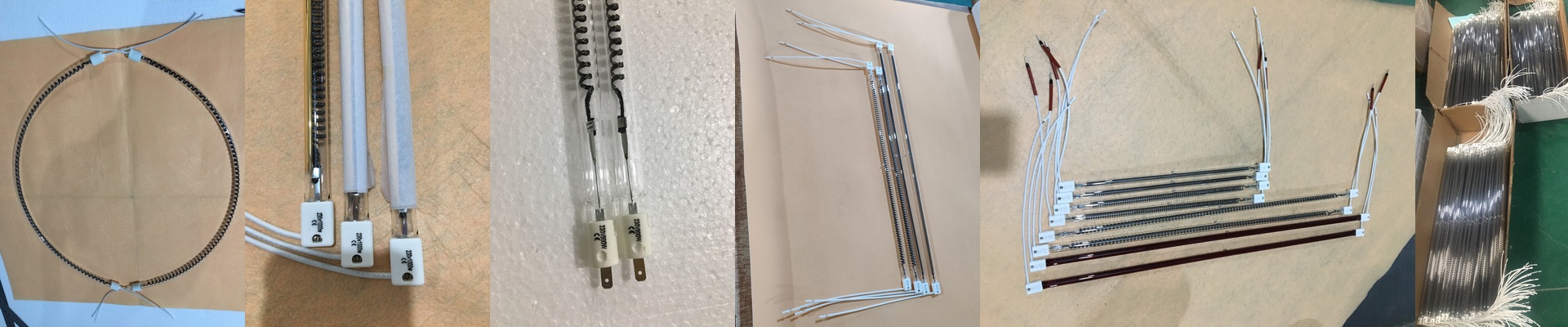
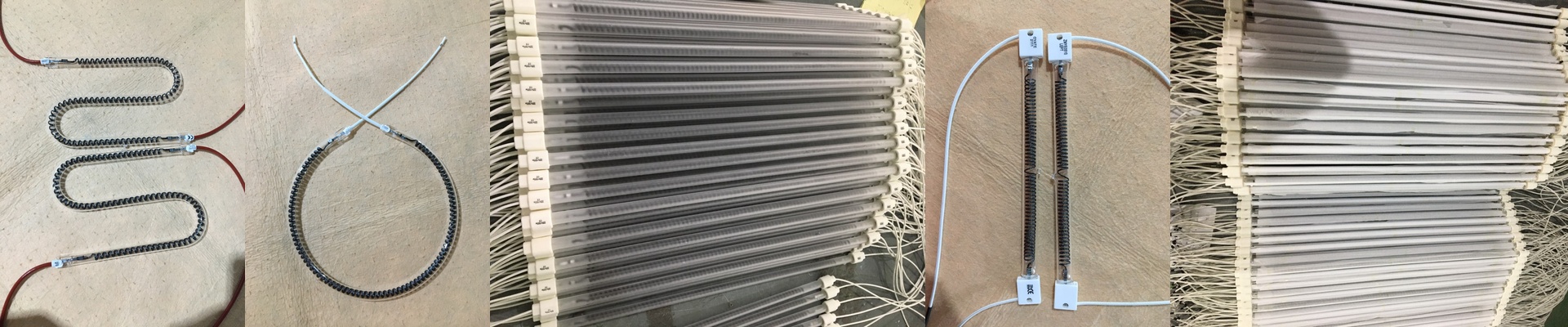
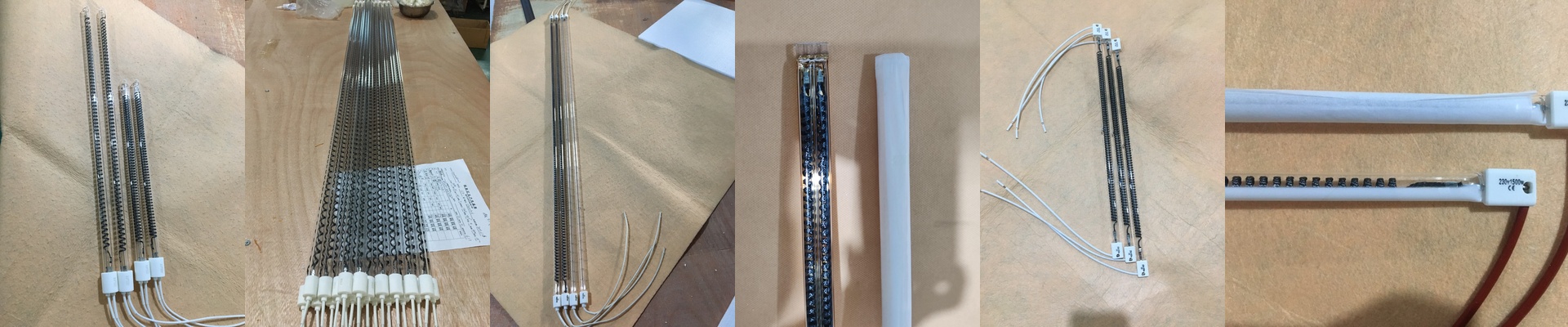
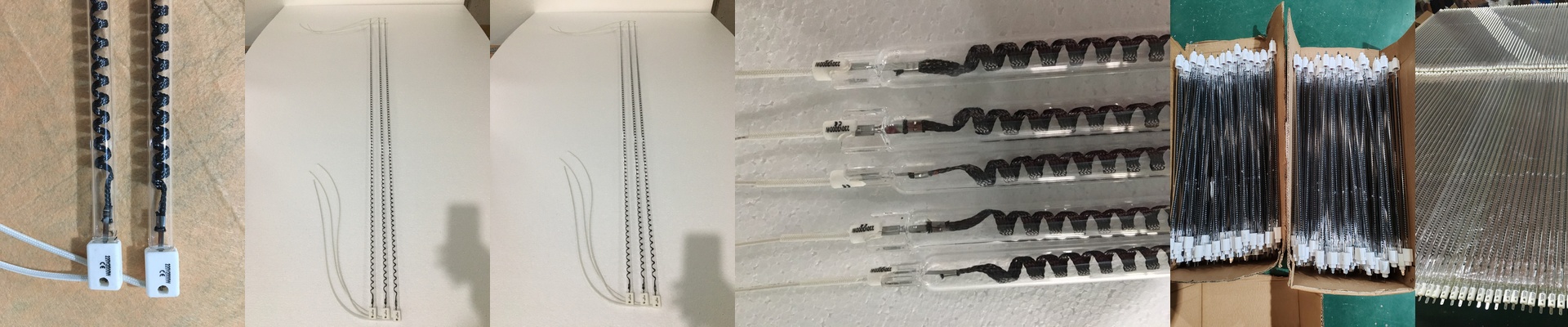
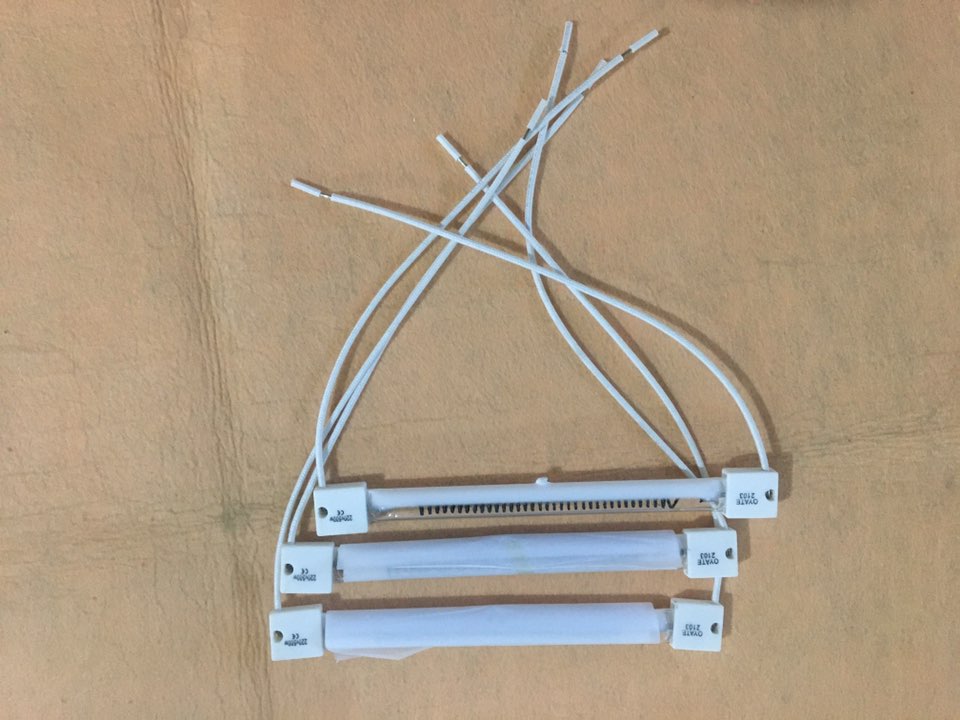
We built this carbon fiber heat lamp oven around a 400V, 2500W halogen infrared lamp, tucked inside a 300mm tube. This wasn’t a random pick. It was a deliberate call. Running at 400V drops the current through the conductors. That means less energy lost as heat in the copper, and it lets us keep the wiring in the oven harness nice and lean. Meanwhile, packing 2500W into a short 300mm length gives you serious heat density. In practice? You get fast ramp-up—exactly what you need when your process can’t afford to wait. Here’s the trade-off, though: that concentrated power shoves heat into the chamber fast. So your cooling and thermal management have to be up to the job. If the cabinet isn’t ventilated the way it should be, nearby parts can run too hot, and that shortens the life of the whole setup.
The materials and choices that make it work
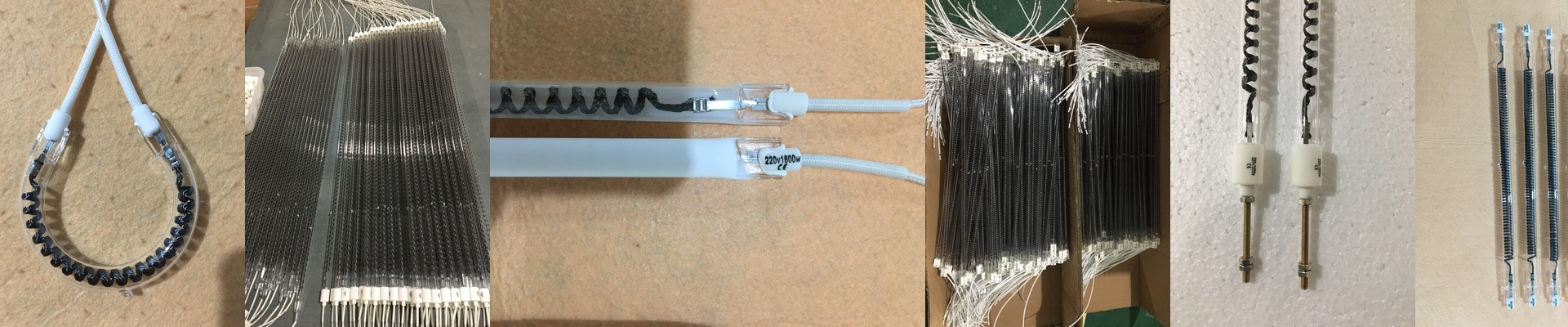
Inside, the lamp relies on the halogen cycle within a quartz envelope to hold filament temperature steady. That’s what keeps the infrared output consistent over time. No fading. No surprises. A reflective coating on the tube pushes more energy forward, so less heat goes sideways. More of what you produce lands on the target. That’s the kind of efficiency you feel when your process stays steady and your space stays cooler. And the R7s connector? It’s the practical, no-drama choice for this form factor. It handles the voltage and current, makes a solid connection, and turns lamp replacement into a quick swap. On a production floor, that means less downtime when a lamp finally burns out.
Built for real floors, real schedules
This setup is made for industrial heating where space is tight and repeatability is everything—composite curing, plastic forming, drying lines. The infrared output is focused, so you heat the part, not the whole plant. You get performance you can count on, swaps that don’t turn into an all-day project, and a footprint that fits where you need it. Just match your cooling and mounting to the wattage density, and it’ll keep running shift after shift, without getting moody.