Carbon Fiber Filament Heating Tubes: High-Density Heat for Industrial Precision
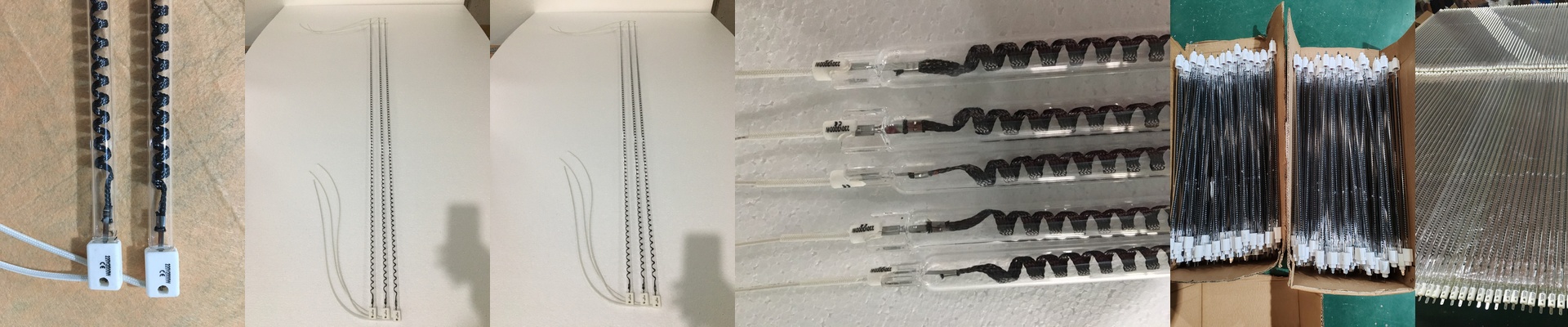
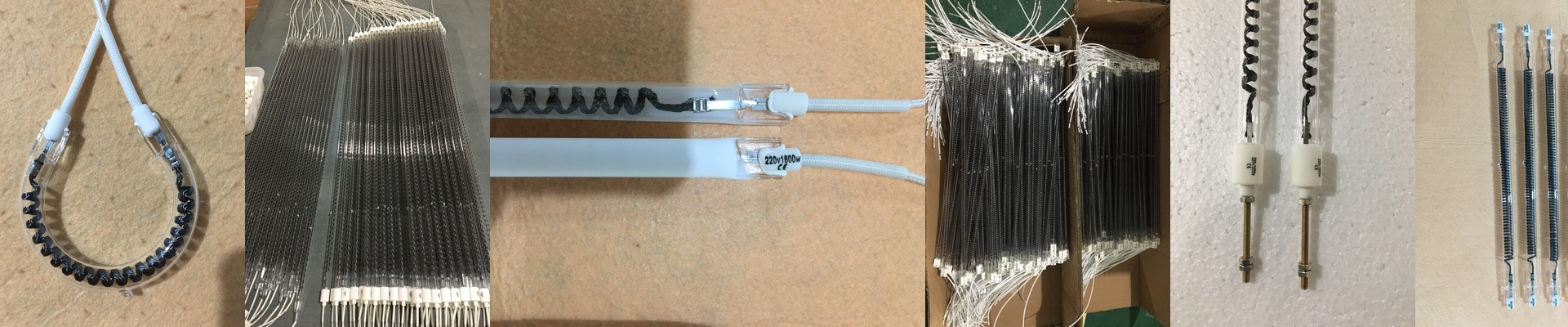
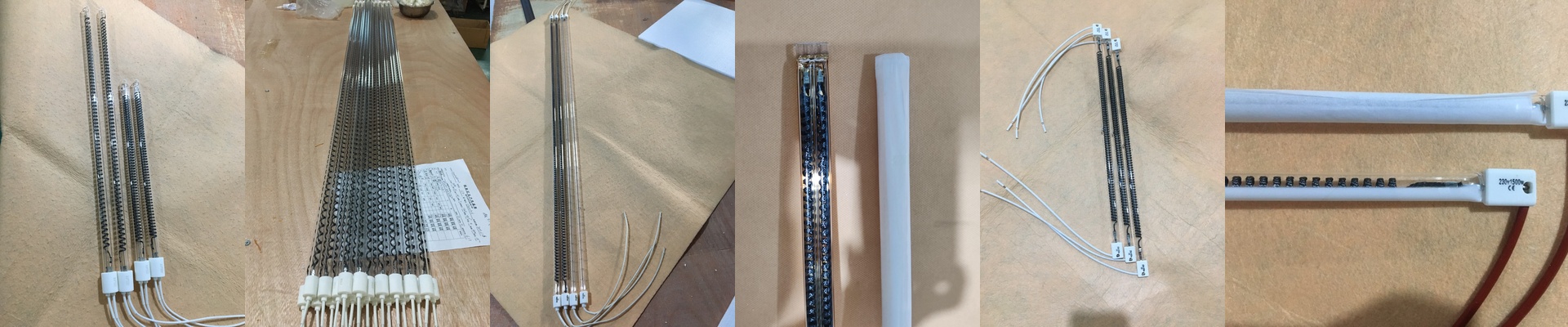
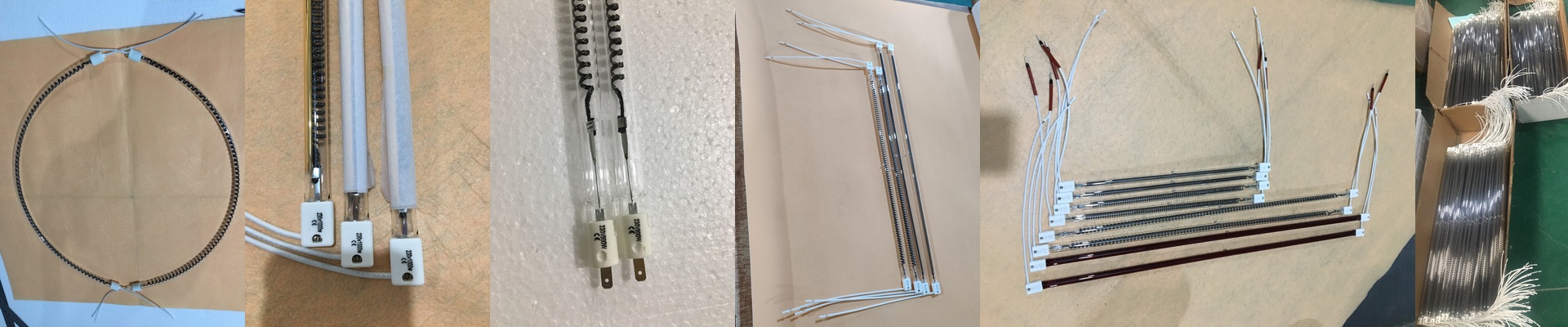
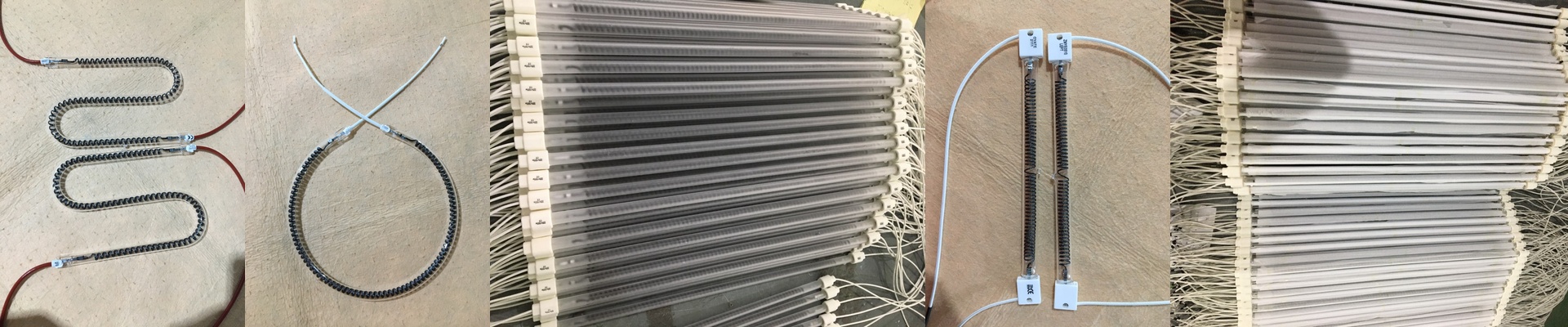
We build carbon fiber filament heating tubes for engineers who need fast, stable heat in a compact footprint. These are not standard heaters. They are purpose-built for high-temperature processes where space is tight and response time is critical. The core concept is simple: a carbon filament inside a quartz envelope, energized to deliver intense infrared radiation. You get rapid heat-up, tight control, and a robust design that holds up on the shop floor.
Technical Deep-Dive: Power, Voltage, and Dimensions
The 400V rating is not arbitrary. It is chosen to deliver high power without driving current to levels that cause excessive voltage drop across long leads. A 400V 2500W tube draws roughly 6.25A, which keeps conductor and switchgear stress manageable while still dumping serious heat. The 300mm length is a sweet spot for many industrial machines. It provides enough radiating surface to create a uniform hot zone without taking up unnecessary space in the machine cavity. Wattage density is the real story here. Packing 2500W into a 300mm tube means you can hit target temperatures quickly. That translates directly into faster cycle times on your equipment. However, this density comes with a trade-off. The surrounding components must be able to handle the thermal load. If your machine is already tight on airflow, you need to ensure the cooling path is designed to keep the surrounding electronics and insulation within their temperature limits.
Material and Design: Halogen, Quartz, and R7s
The halogen cycle inside the tube is what keeps performance stable over time. At high filament temperatures, tungsten evaporates and redeposits, keeping the filament resistance consistent. This cycle extends the life of the tube and prevents the gradual dimming and burnout you see in non-halogen designs. We use a quartz envelope because it handles the thermal shock of rapid heat-up and cool-down. Quartz maintains its mechanical integrity at the temperatures needed for high-output infrared heating. It also has a high thermal shock resistance, so you can cycle the lamp without cracking the envelope. The R7s connector is the practical choice for this form factor. It provides a secure, two-contact connection that handles the current without overheating. The straight pin design makes it easy to wire up in tight fixtures, and the ceramic body stands up to the heat near the tube ends. This is a drop-in solution for many existing machine designs, so you can upgrade without redesigning the whole assembly.
Application and Benefits: Solving Real Engineering Problems
In practice, these tubes shine where you need intense, localized heat. Think PET blowing, plastic welding, shrink tunnels, and adhesive curing. The fast response of the carbon filament means you can hit setpoints in seconds, which improves throughput and repeatability. The infrared output targets the material directly, heating the product rather than the surrounding air. That cuts energy waste and reduces the load on your plant’s HVAC. Installation is straightforward. With the R7s base and standard dimensions, you can swap out old heaters with minimal downtime. The tube runs hot, so you must manage the interface. Use high-temperature rated sockets and keep wiring short to avoid voltage drop. Expect a service life in the thousands of hours under normal operating conditions, but remember that voltage spikes and poor cooling shorten that life. Spec the right socket, keep the environment clean, and the tube will take a beating without burning out early. If your machine needs high heat density in a small space, a carbon fiber filament heating tube with a 400V 2500W rating and a 300mm length is a solid, practical choice. Just make sure your cooling and electrical design are ready for the thermal and electrical demands.