Introduction
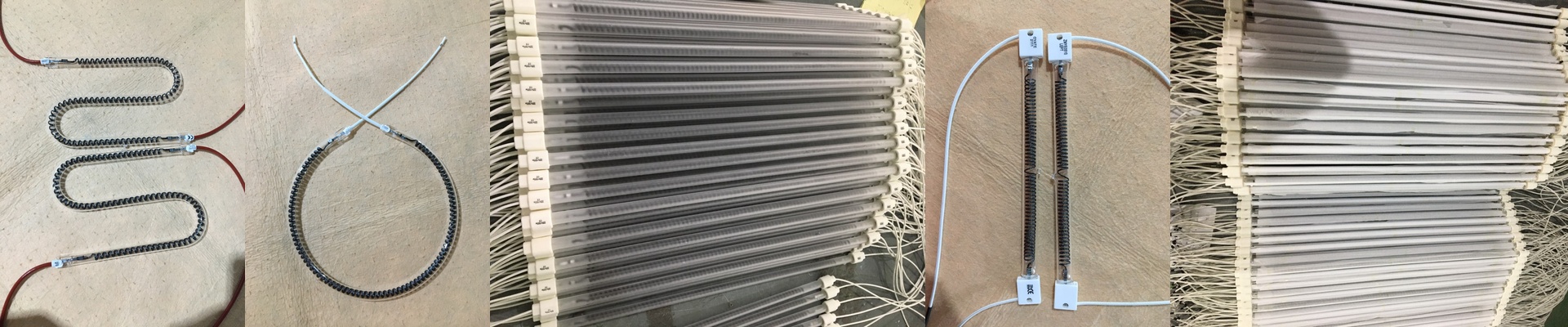
We built this carbon filament infrared lamp for engineers who crave raw, focused heat—without all the bulk. Forget gentle ambiance. This is direct radiant energy, designed to jump to temperature fast and keep tight control where it matters most.
Technical Deep-Dive
We chose specs that actually match the real-world constraints of your machines. Take the 400V, 2500W configuration. It packs serious heat density into a short package—around 300mm long. That means you can concentrate the heat where you need it, without overhauling the whole machine bay. The 400V rating isn’t random. It lets you deliver the same wattage with lower current, so your wiring can be thinner and simpler. And the 2500W? That’s the power you need to keep up with demanding cycles—like heating thick quartz or pre-heating metal tooling—without the frustrating lag of underpowered heaters.
Material & Design
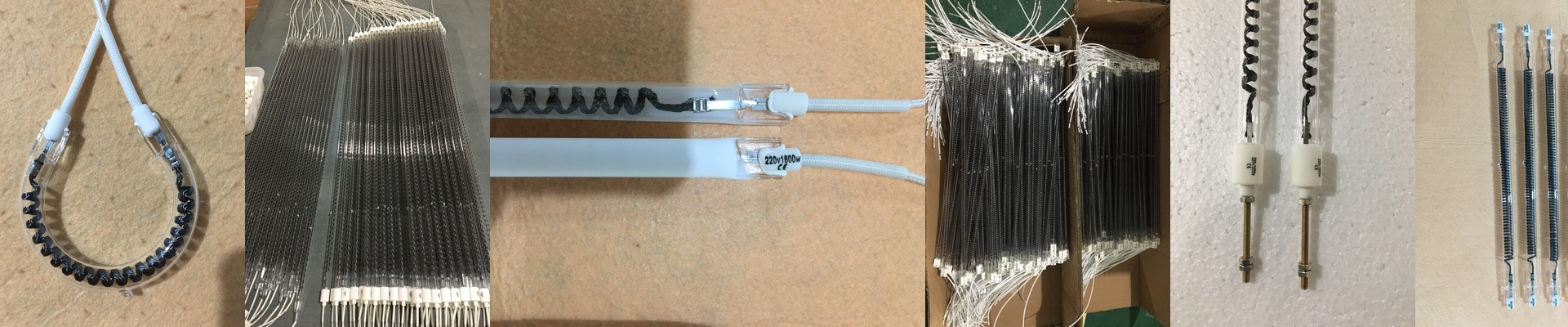
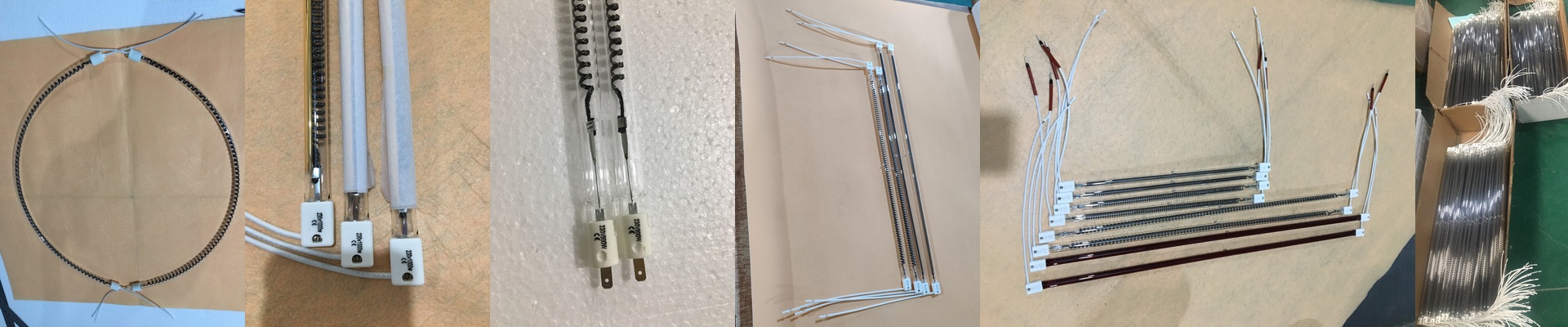
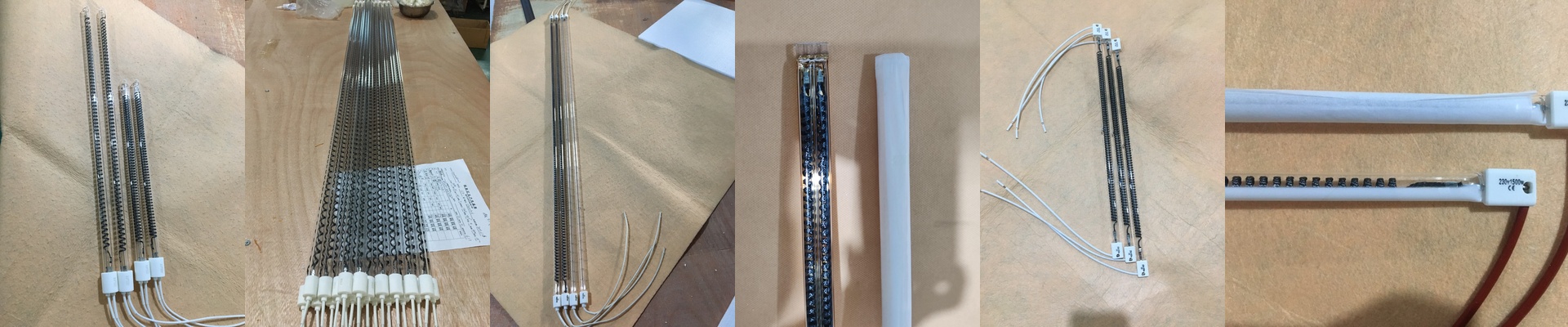
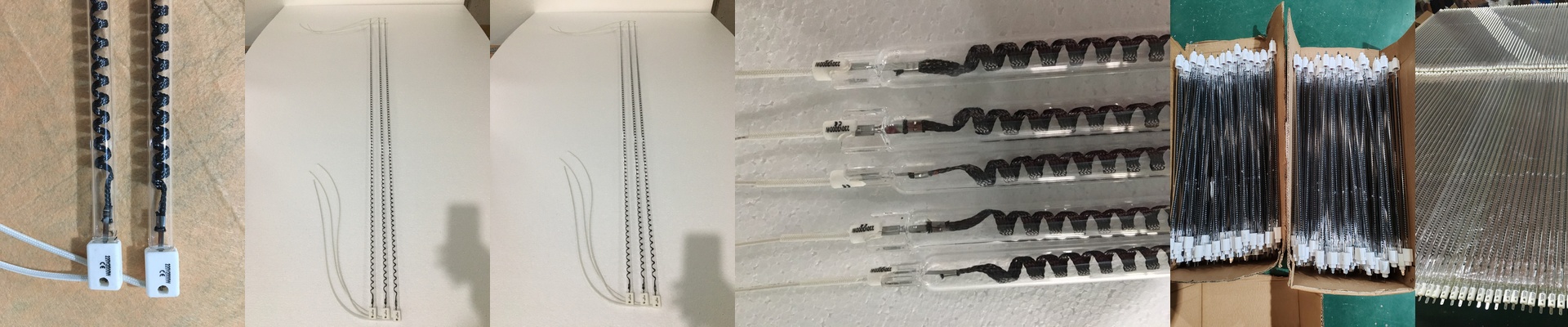
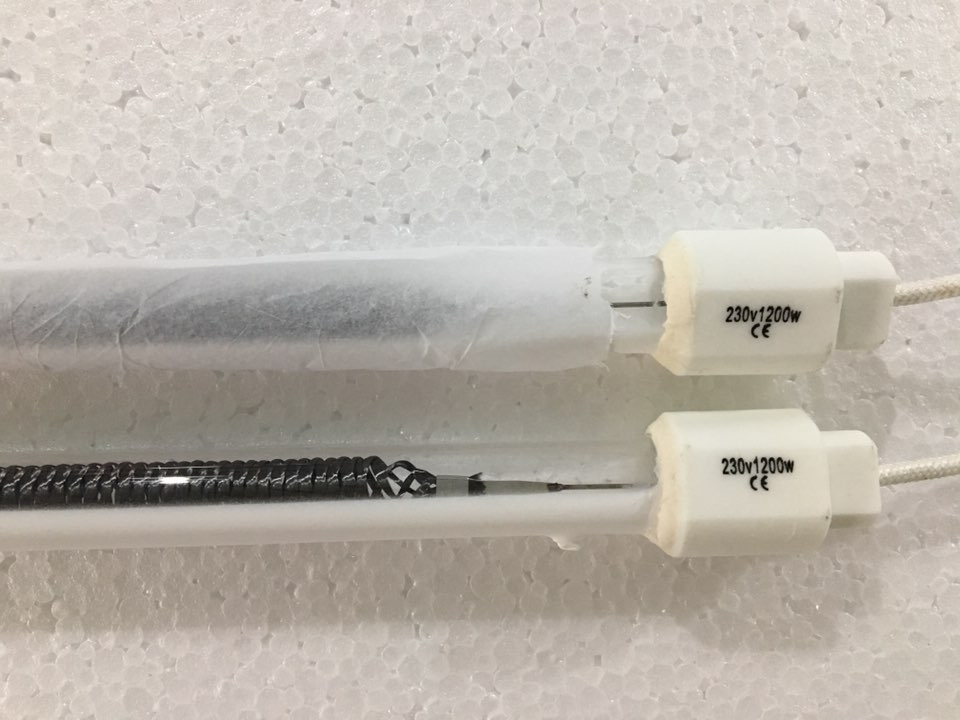
Inside, you’ve got a carbon filament wrapped in a quartz tube. Carbon filaments produce a broad infrared spectrum that penetrates materials well, and the quartz envelope handles rapid temperature swings without flinching. We also add a halogen gas fill. It slows filament evaporation and keeps output steady, so you get longer life and a consistent color temperature. The R7s connector is a practical choice, too. It gives you secure, two-point contact that installs and replaces quickly—even in tight fixtures. And it keeps the lamp aligned and stable under vibration, so you don’t get those intermittent connections that throw off cycle consistency.
Application & Benefits
On the plant floor, this lamp shines where response time and stable heat flux matter—PET blowing, thermoforming, curing lines. Shortwave infrared hits surfaces fast, cutting warm-up time and trimming idle energy. It works as a drop-in replacement for many standard industrial heaters, with the bonus of high power in a small footprint. But here’s the honest part: 2500W at 400V generates real heat density. Make sure your fixture and cooling are up to the job—plan your airflow and mounting tolerances early. If you don’t, the lamp will run hotter than it needs to.