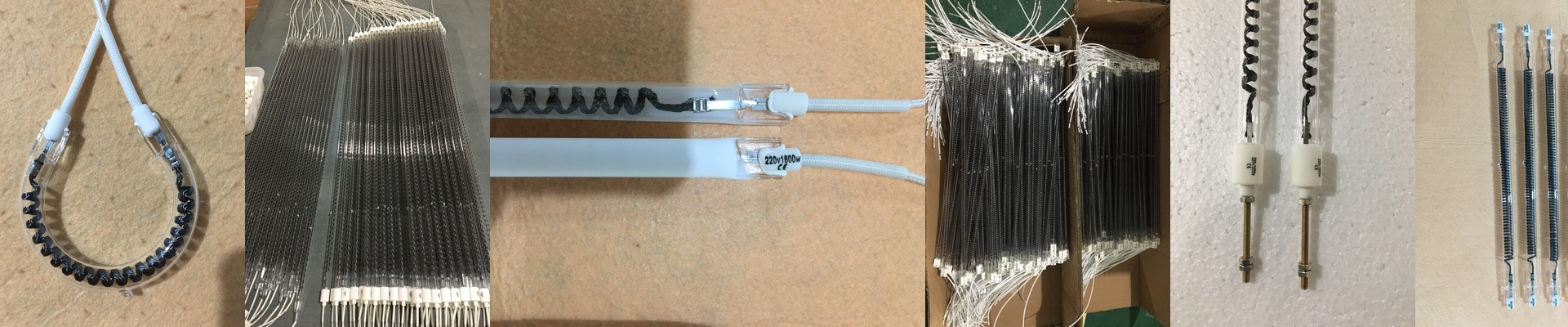
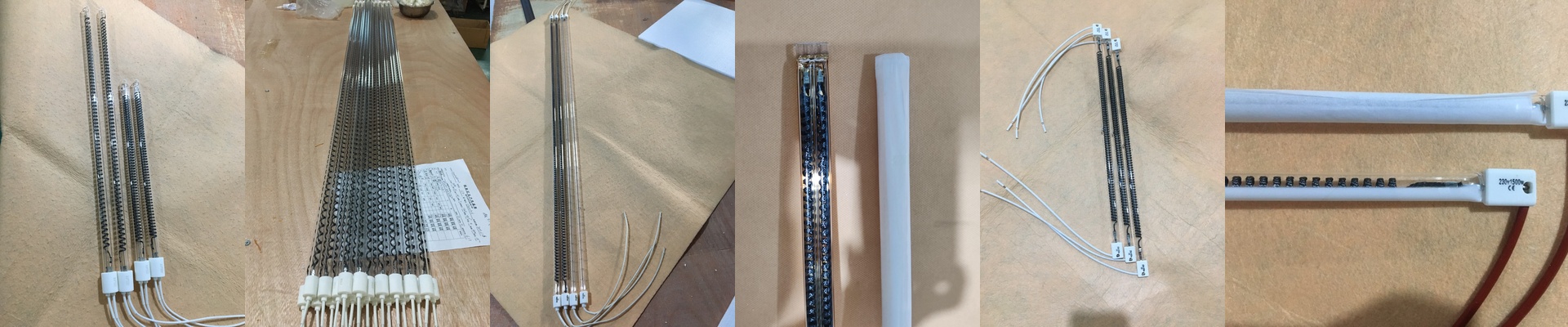
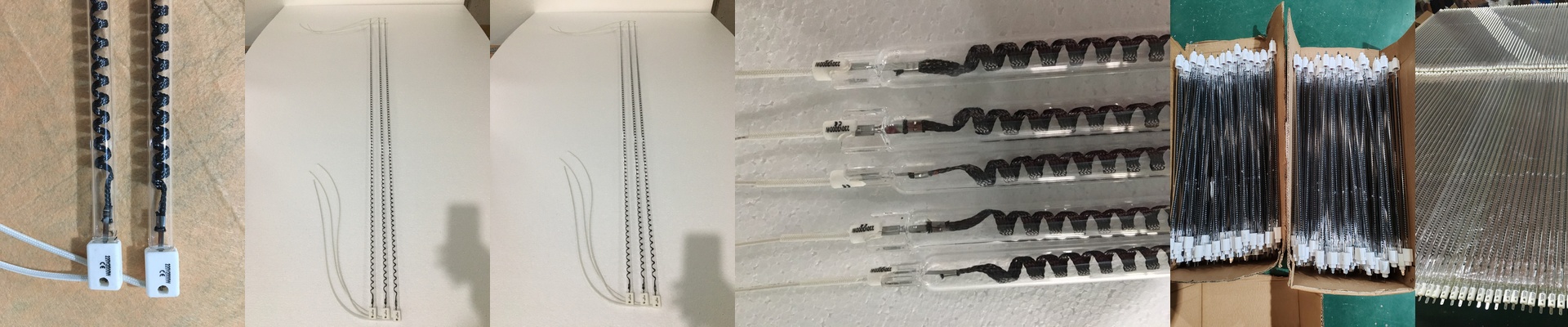
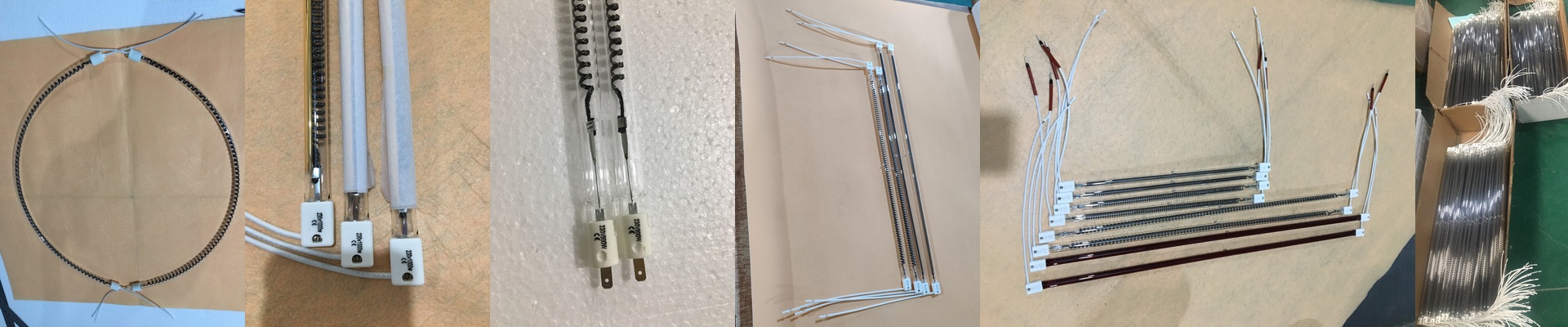
The Carbon Rod heater, Explained Like You’re Standing Right Next to It
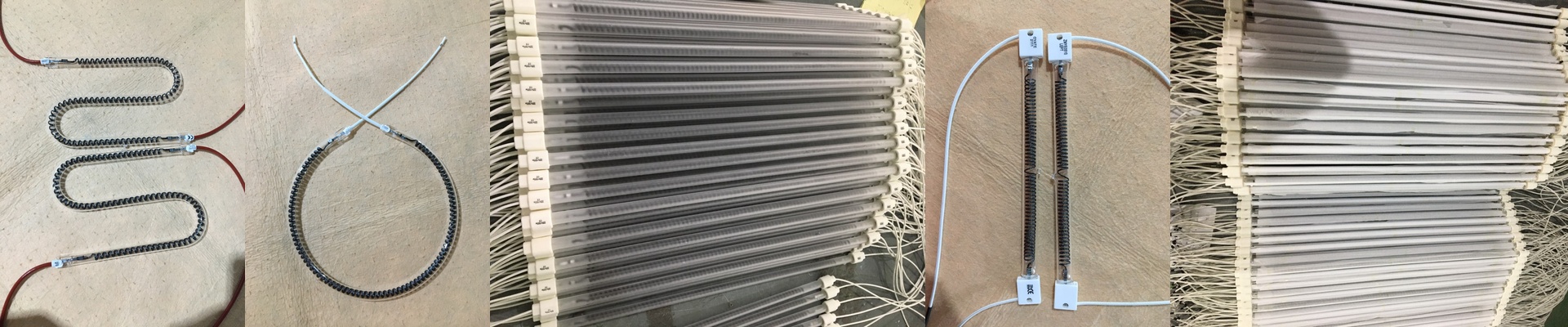
We build carbon rod heaters for one simple reason: to give you heat that’s intense, focused, and doesn’t take up a ton of space. These are the workhorses for industrial jobs that demand high heat—fast. When you need concentrated energy and a rapid response, this is what you reach for. Most of these run at 400V and 2500W, packing the power density you need for the tough stuff. And that 300mm tube length? It’s not random. It’s a deliberate choice to match your machine’s footprint perfectly, delivering the right amount of radiant surface without wasting a single inch.
What’s Inside, and Why It Works
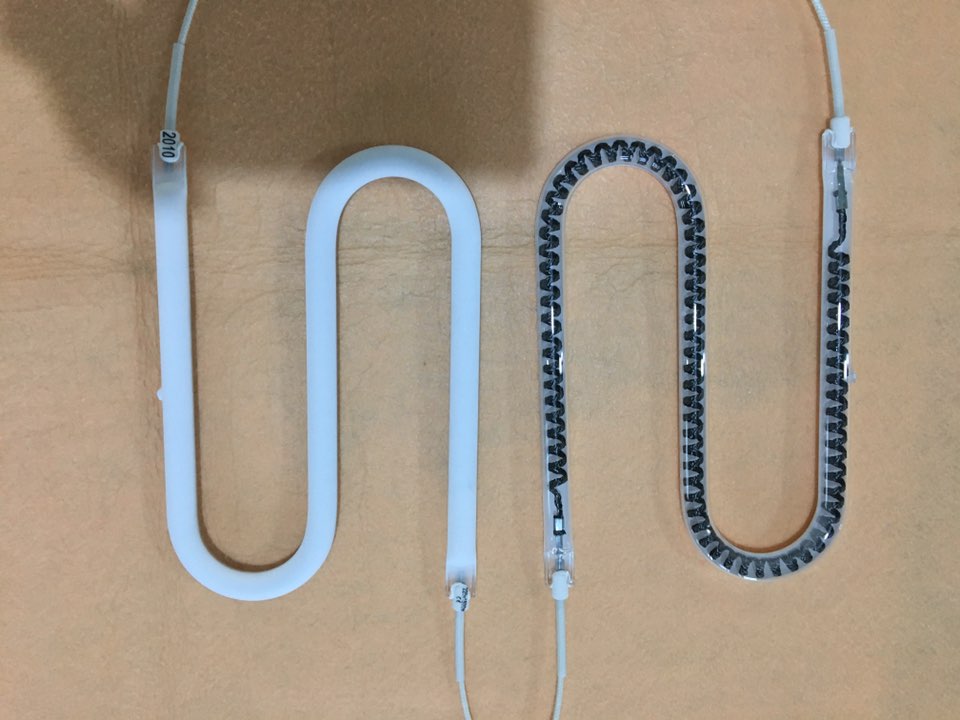
At the heart of it is a carbon element, snug inside a quartz tube. Often, we add a halogen fill gas. Together, they keep the filament stable, so the heat stays consistent and hot—exactly when you need it. The quartz tube gets a high-temperature coating, too. It handles thermal shock like a champ and shields against grime and contaminants. That means it holds up longer, even in messy, demanding shop environments. And the R7s connector? It’s just straightforward, solid wiring. Makes the install clean and gives you a direct, drop-in replacement when you’re upgrading an existing setup.
Where It Shines, and What to Keep in Mind
These heaters really come alive in applications like PET blowing, plastic welding, and thermoforming. Places where you need that infrared heat to be fast, precise, and localized. With 400V and 2500W, you’re talking serious heat density. That means your machine’s cooling system needs to be up to the task. If you run this without proper heat management, you’re asking for premature wear on your components. But when you pair this carbon rod design with the right controls and cooling? You get repeatable heat with almost no warm-up time. It’s ready when you are.