The Specs, Simplified: What Makes These Lamps Tick
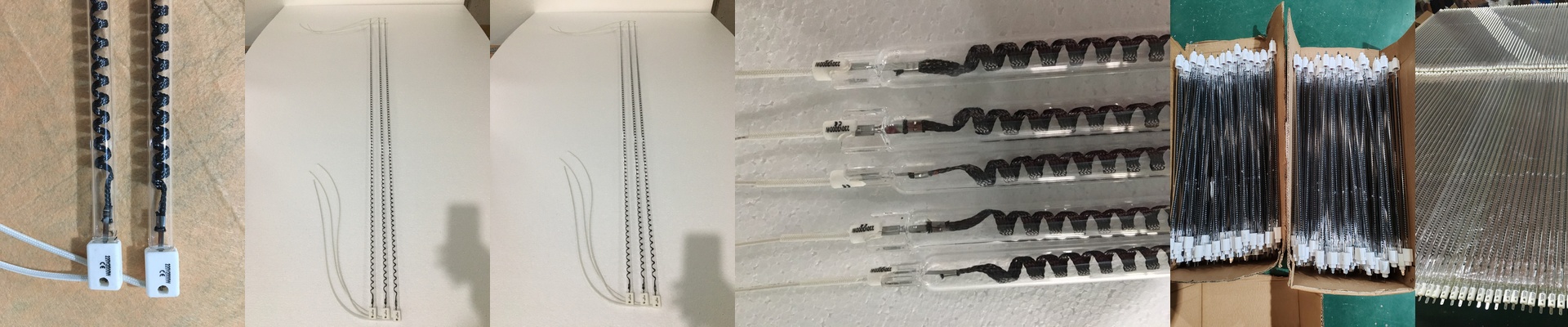
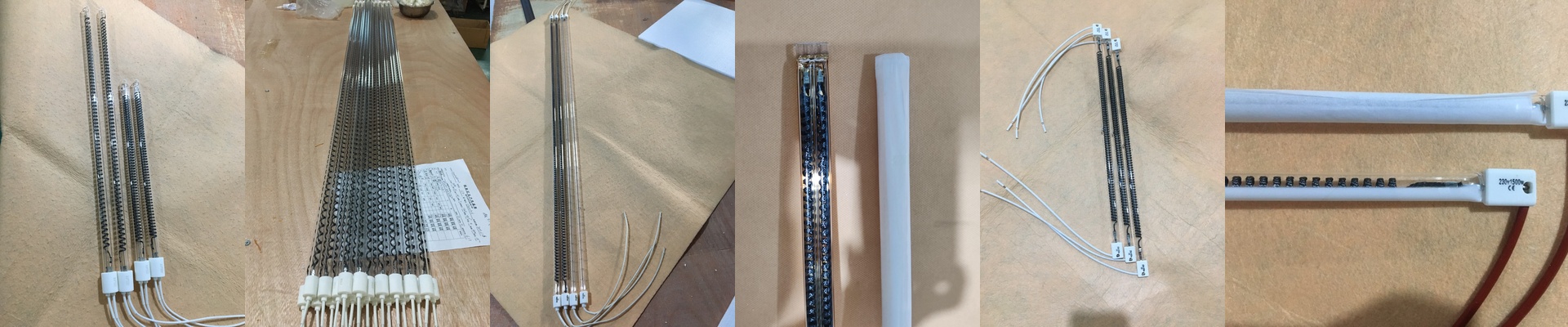
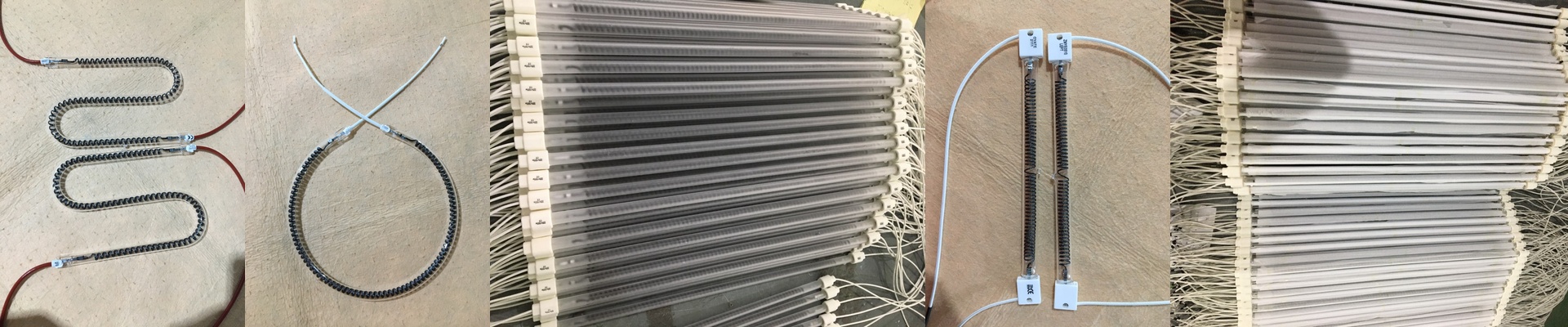
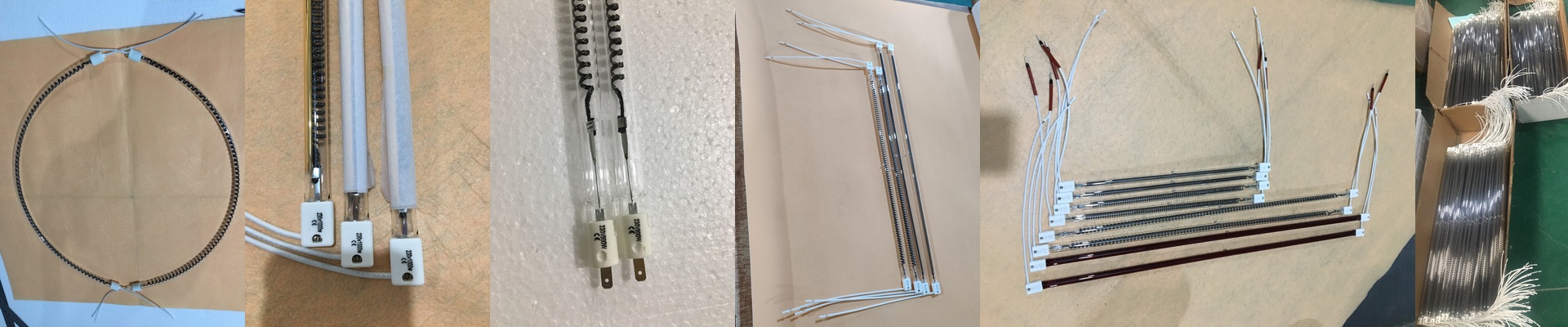
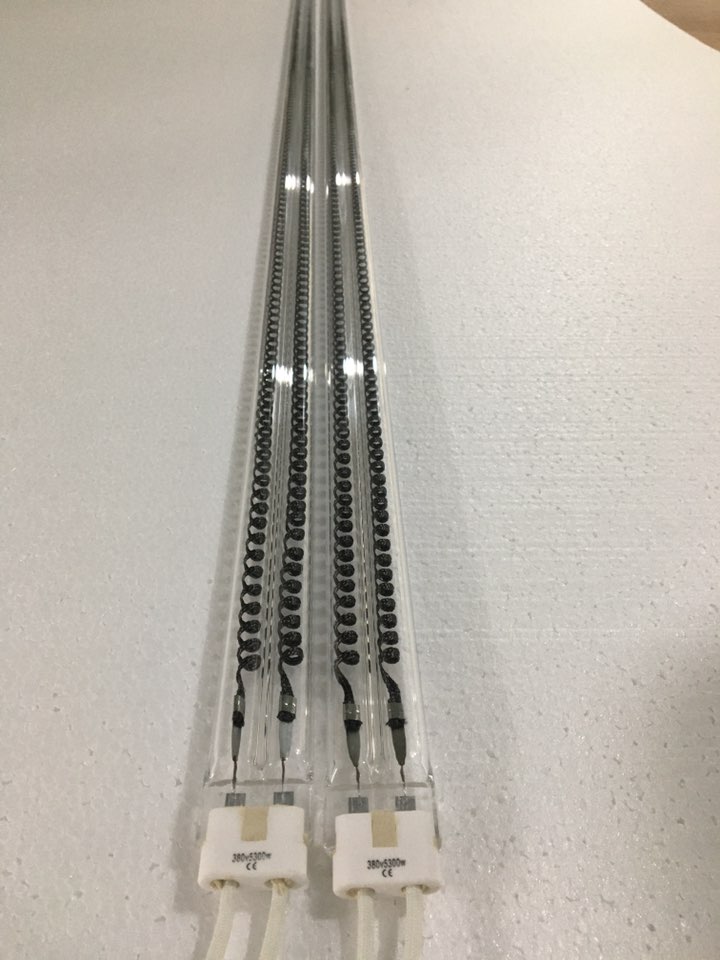
Let’s talk about the numbers that matter. When we design these infrared carbon heat lamps, we’re not just picking specs out of thin air. We’re solving real-world problems on the factory floor. Take the 400V rating, for instance. It’s not some random figure. It’s about working with the high-voltage lines you find in industrial settings. This lets the lamp pull less current, which means you don’t need to overload your wiring. So when you’re wiring up a whole bank of heaters, you can keep things simple and safe. Then there’s the power packed into that 300mm tube: 2500W. That’s a lot of heat, concentrated in a small space. What does that feel like? It means the heat hits hard and it hits fast. We’re talking rapid response—the kind that can shave time off your cycles. But with that kind of intensity, you’ve got to plan for heat management in the machine itself. And the compact size? That’s the beauty of it. It slips right into tight spots—like the cavities of a blow molder or a shrink tunnel—without forcing you to redesign your whole setup.
The Inside Story: Why the Details Actually Matter
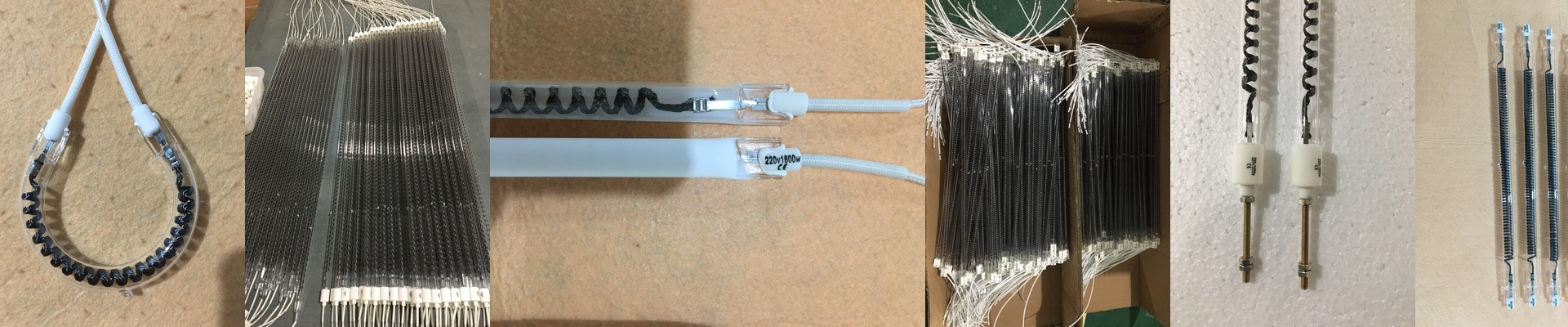
It all comes down to two things: the carbon filament and the quartz envelope. Carbon filaments run hotter than the old tungsten ones. That heat pushes the output into the shortwave infrared, which gets you deeper, faster penetration. The quartz tube is built to handle the shock and lets the infrared energy pass through cleanly. We also coat the tube to control where the heat goes. No wasted energy. Just focused, directional warmth right where you need it. And the connectors—R7s or SK15? That was a practical call. These double-ended connectors are tough. They hold up in high heat, snap in quickly, and make replacement a breeze. Seriously, it’s a simple job. They stay put, even with all the vibration and heating and cooling. No more worrying about the fitting failing and taking the whole lamp out with it.
Solving the Problems You Actually Face
At the end of the day, industrial heating is about one thing: getting heat into the target, quickly and consistently. These lamps deliver that high heat density with a fast response. That’s what cuts cycle times on jobs like PET blowing, plastic welding, and drying coatings. Because the heat is directional, it hits the product directly, not the air around it. That’s how you get better control and use less energy. The rugged build and standard connectors mean these lamps drop right in where your old ones were. So when it’s time for maintenance, you’re back up and running fast. Of course, high power comes with a trade-off. You need proper cooling and the reflector has to be aligned right. But when the machine is set up correctly, you get heat that’s stable, controllable, and ready to handle the grind of continuous production.