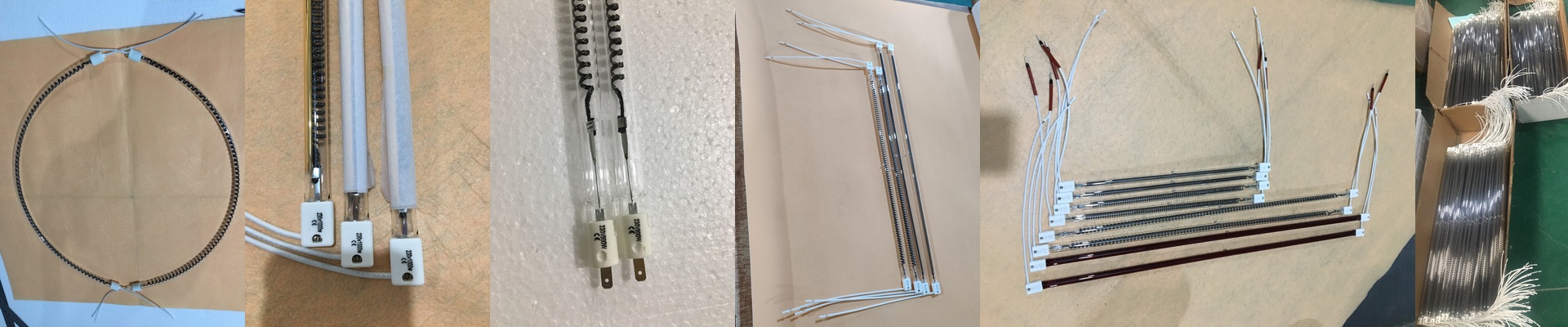
Understanding IR Quartz Tube and Carbon Fiber Heat Lamps
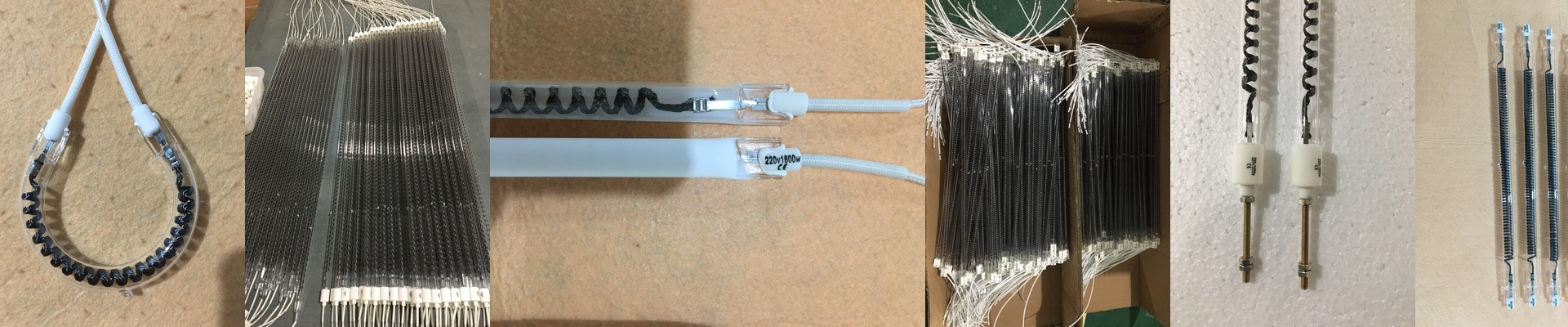
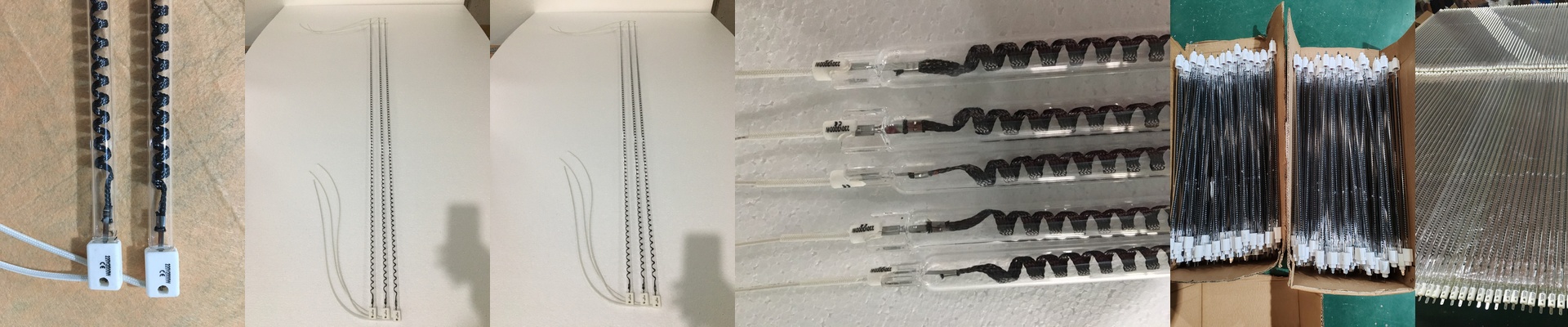
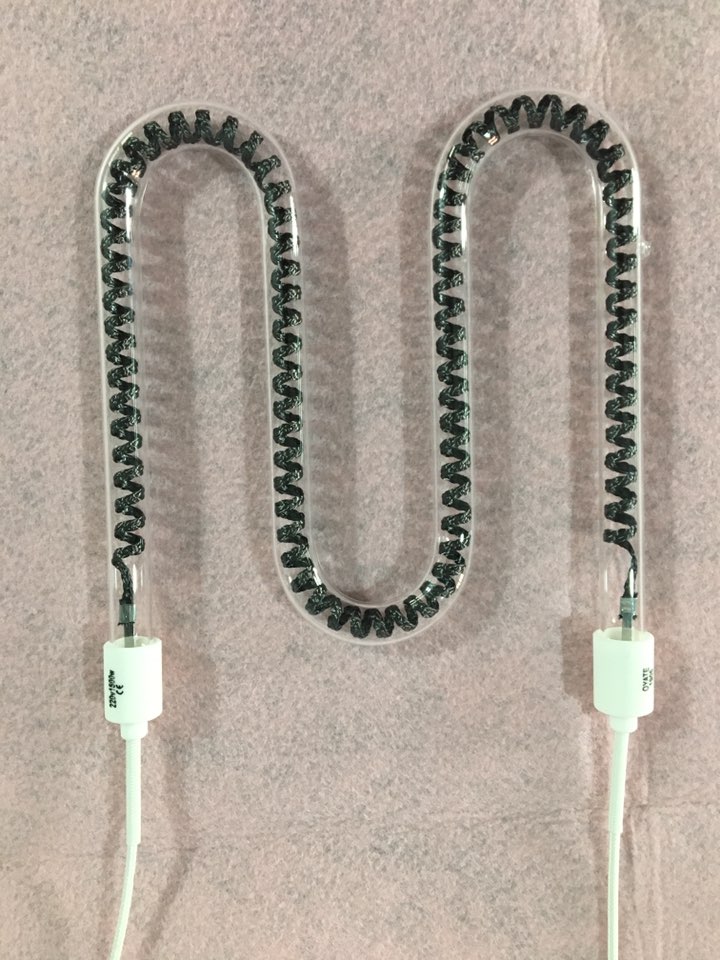
We built these heaters for one simple reason: to give you intense, focused heat exactly where you need it. At the heart of it is the quartz tube. Inside, you’ve got either a high-resistance wire or a carbon fiber filament, sealed up tight in a vacuum or inert gas. That design means the element hits operating temperature almost instantly, turning electricity straight into powerful radiant heat.
Power, Voltage, and Size: The Practical Stuff
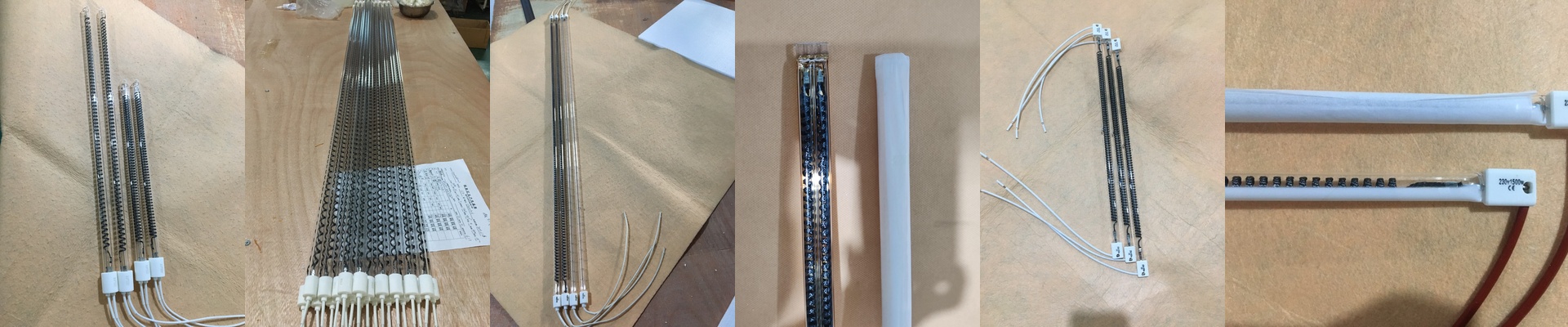
Let’s talk specs, because they directly impact what the heater can do for you. A typical unit might run on 400V or 230V, pulling 2500W or 3000W of power. That’s a lot of wattage packed into a tube that’s only 300mm or 450mm long. The voltage has to match your plant’s power supply—no exceptions. Get the wiring wrong, and you’ll fry the filament in no time. The length and wattage determine your heat footprint. A shorter tube with higher wattage concentrates the heat into a tight spot. Perfect for spot heating or curing a specific area.
What They’re Made Of and Why It Matters
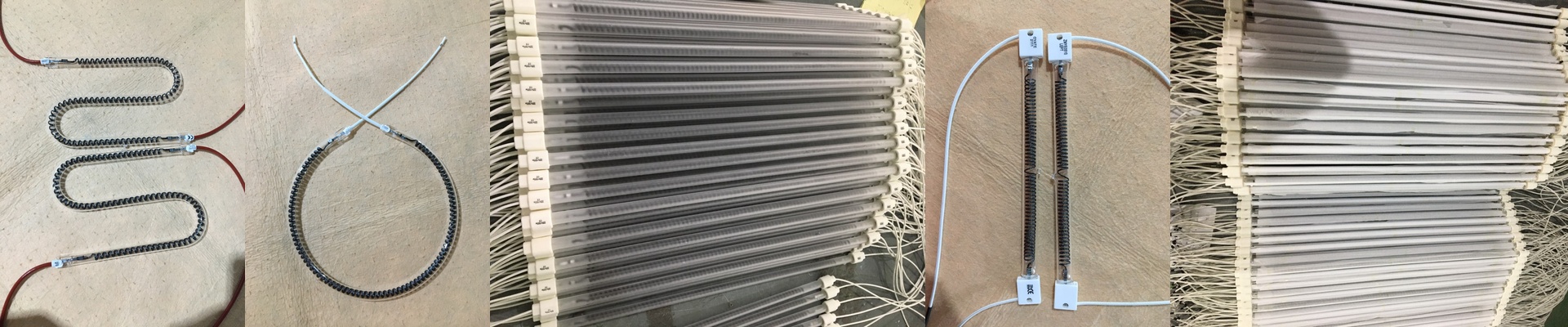
The quartz glass tube isn’t just a shell. It’s a key player. It handles sudden temperature changes without cracking and stays clear so the infrared energy gets through with no loss. Inside, the carbon fiber filament heats up fast and lasts longer than traditional wire elements. Many tubes also have a gold or ceramic coating. This reflects infrared energy back onto the target, which boosts efficiency and keeps heat from escaping into the surroundings. For installation, we use R7s or Sk15 connectors. They’re built for high heat and provide a secure, low-resistance connection that won’t fail when the temperature cycles.
The Trade-offs You Need to Know
These heaters are workhorses in industrial ovens, drying chambers, and curing lines. The high heat density is a huge advantage, but there’s a catch. The equipment around it has to be designed to handle the extra heat. Proper cooling and shielding aren’t optional—they’re essential. The carbon fiber design means a fast response, which helps cut down cycle times. And while the quartz tube is tough, it’s still glass. Treat it with care during installation. It’s a direct, rugged solution for getting heat into your process, fast.
Why They Work So Well in Industrial Settings
These heaters are made for industrial ovens, drying, and curing. The combination of high power density and rapid response is ideal for processes that need precise thermal control. Their compact size allows you to pack in dense heater arrays, which means you get uniform heat across even complex parts. The quartz construction can take the shock of rapid temperature cycling, and the R7s or Sk15 connectors keep the high-current connection reliable, even in the heat. But here’s the trade-off: the output is intense. Your machine’s cooling system has to be up to the task. This is a straightforward, dependable way to get heat where you need it, when you need it.