Are Carbon Halogen Heaters Cost-Effective to Run?
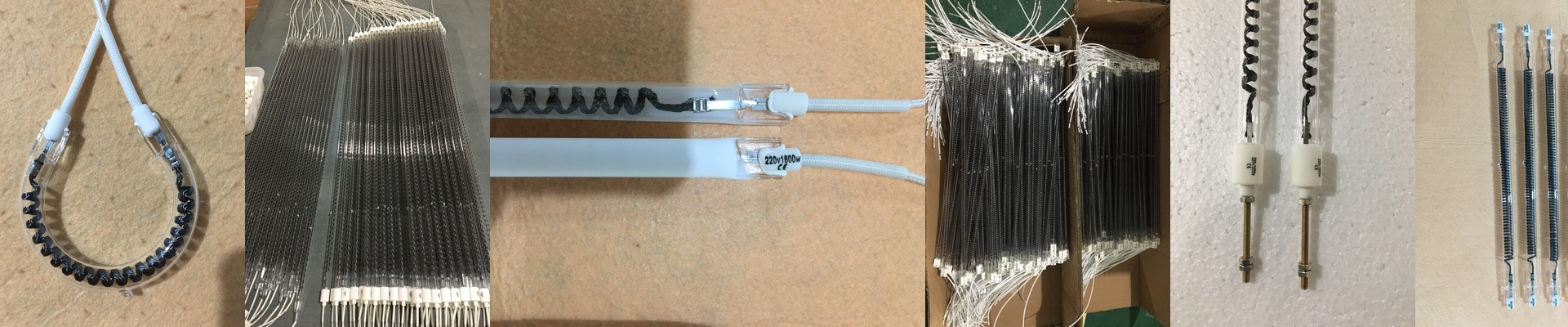
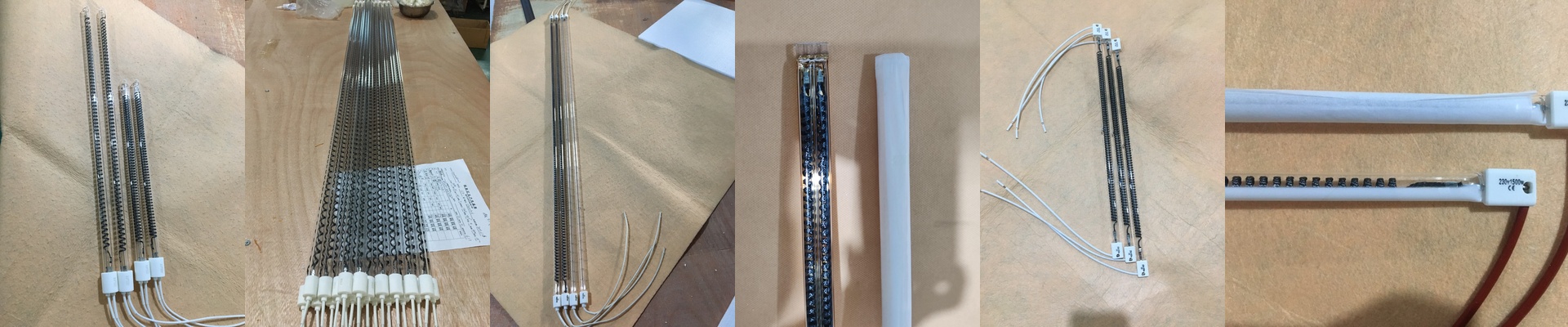
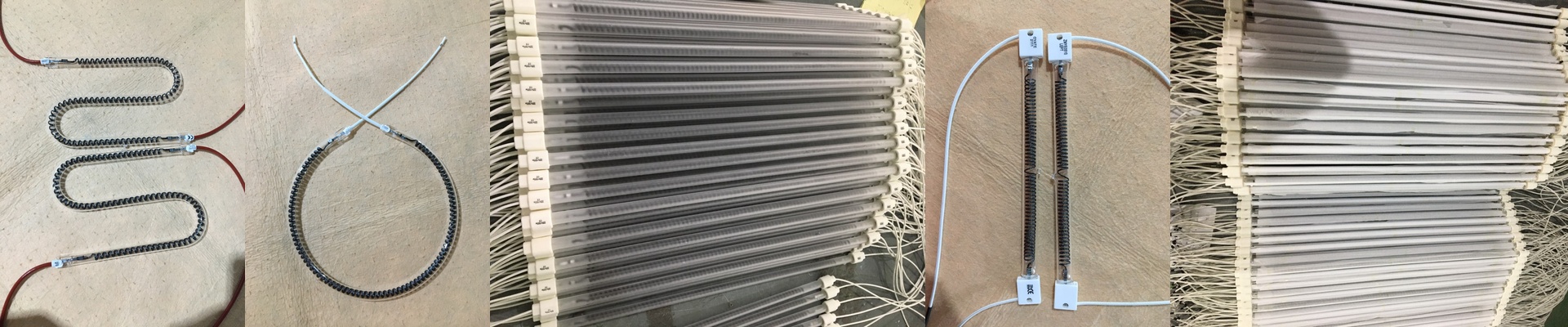
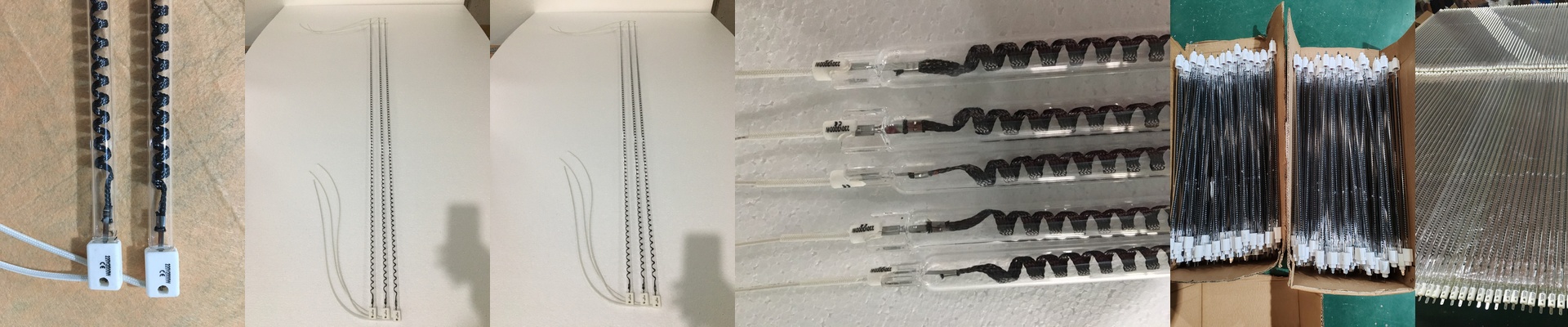
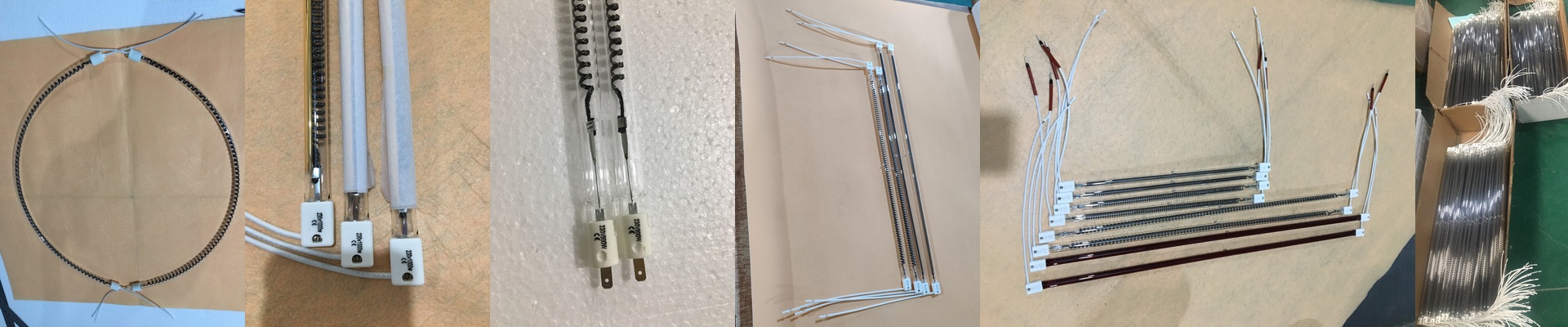
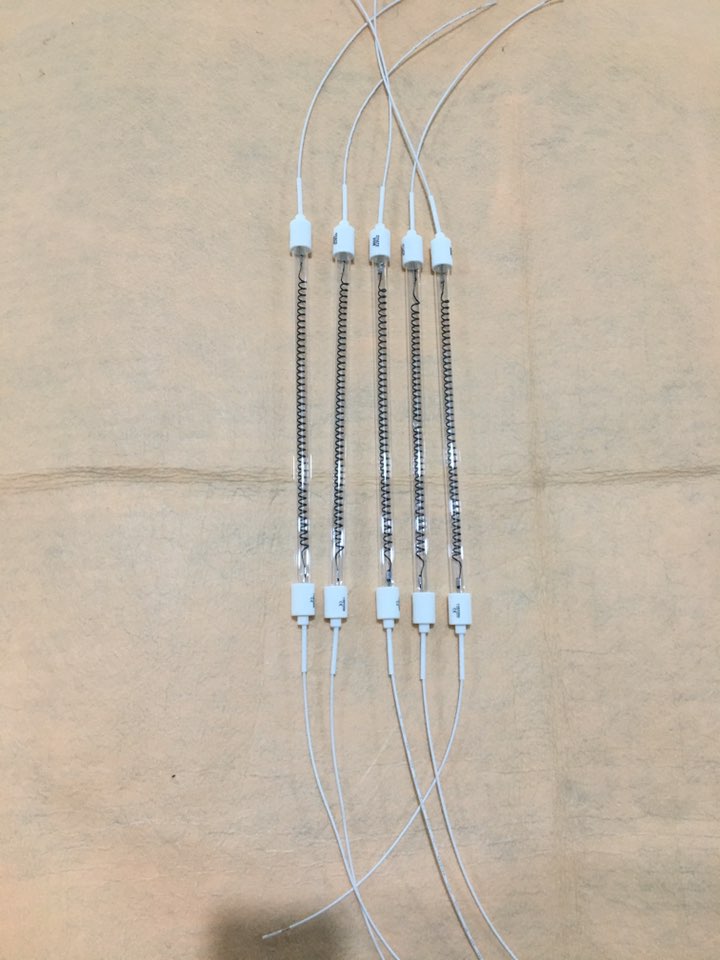
We hear this all the time: “Are carbon heaters cheap to run?” Here’s the straight talk: it depends on what you’re using them for. But the real answer comes down to how these things are built. We’re talking about a 400V, 2500W halogen carbon heater—300mm long, with an R7s connector. This isn’t your living room heater. It’s built for heavy-duty industrial work, where you need intense heat, fast.
Power, Voltage, and Size: Why It Matters
That 400V, 2500W rating? Not random. It means this heater is designed to plug straight into industrial power setups. The higher voltage lets you run longer cables without losing power—something that can trip you up on a busy factory floor. And that 2500W packed into a 300mm tube? That’s serious heat density. It’s what makes these heaters so efficient. The heat goes right where you need it, with almost no waste. But that power comes with a catch: the mounting hardware and nearby equipment have to handle the heat. So yeah, thermal management isn’t optional. It’s essential.
What’s Inside Counts: Halogen and Quartz
The magic happens inside the quartz tube. The halogen element keeps the filament stable, thanks to the halogen cycle that stops it from burning out too soon. And the quartz tube? It handles extreme heat and doesn’t crack under pressure. Then there’s the R7s connector. It’s a no-fuss, industrial-grade connection that’s easy to wire and holds up against vibration. No fragile ceramic terminals here. Just a solid connection that stays reliable, even when things get shaky.
Where It Shines: Real-World Use
This setup was born for jobs like PET blowing or plastic welding—places where you need heat, fast, and exactly where you point it. Because it heats up instantly and only draws power when the machine needs it, you’re not wasting energy keeping something warm that isn’t in use. That on-demand performance saves energy compared to systems that just run constantly. So yeah, it needs a strong electrical setup upfront. But in return, you get less wasted energy during operation.
The Real Cost: It’s About Value, Not Just Wattage
Carbon halogen heaters aren’t “cheap” in terms of power draw. But they’re incredibly efficient when used the way they were meant to be. They turn almost all the electricity they get into usable radiant heat. You’re paying for power, sure—but not for wasted time or heat that goes nowhere. And the R7s connector means the install is clean and secure, while the halogen design keeps the heater running long enough that the energy cost per unit becomes predictable and manageable. So, are they cheap to run? If you’re using them for the right job—high-intensity, fast-cycle industrial work—they’re one of the most cost-effective ways to deliver focused heat on demand. Just make sure your electrical system can handle the 400V load.
What It Solves: Practical Benefits
This specific design solves real problems. The 300mm length and high wattage give you a tight, concentrated heat zone—perfect for processes that need localized power. The R7s connector makes it a simple swap-in for many existing systems, so installation is straightforward. And because the halogen tech keeps output stable over time, you get consistent results, cycle after cycle. For engineers, that means less guesswork. The heater delivers steady radiant heat without the lag of older coil elements. That kind of precision helps cut scrap and speed up cycles. Yes, you need a dedicated high-voltage circuit. But what you get in return is a rugged, reliable heater that shows up and does the job—every single time.
Built to Work. Period.
The specs aren’t just numbers on a page. They’re the physics of getting the work done. We built this thing to take a beating. Wire it up, and it performs. That’s what cost-effective really means in the real world.