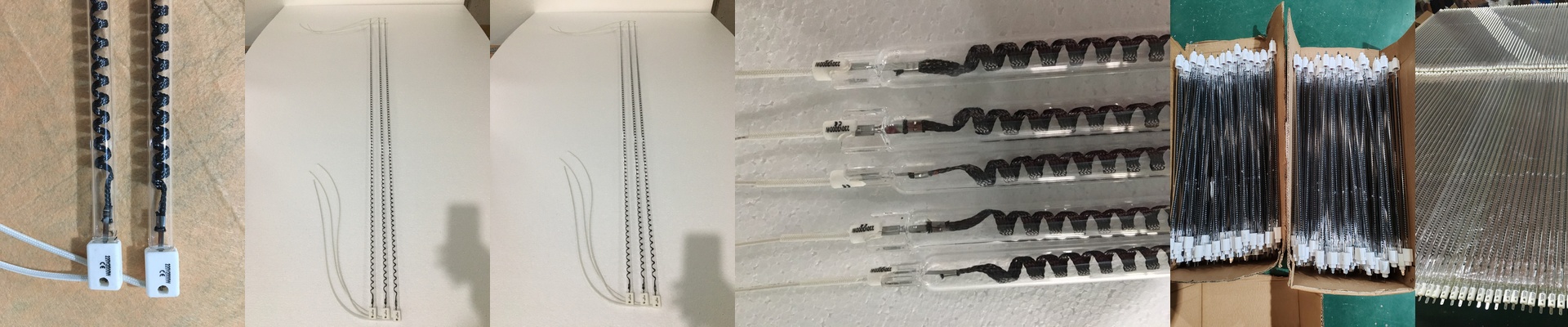
Let’s Talk Carbon Emitter Heating
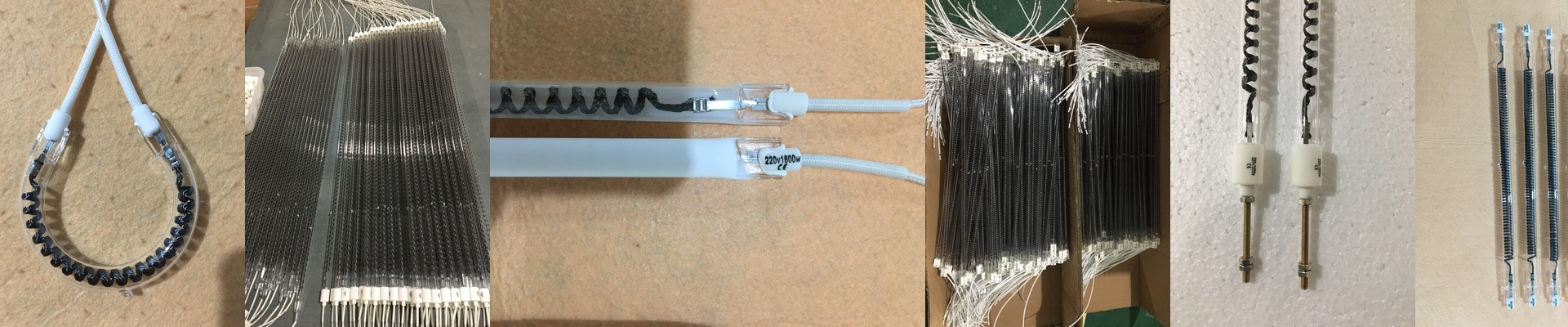
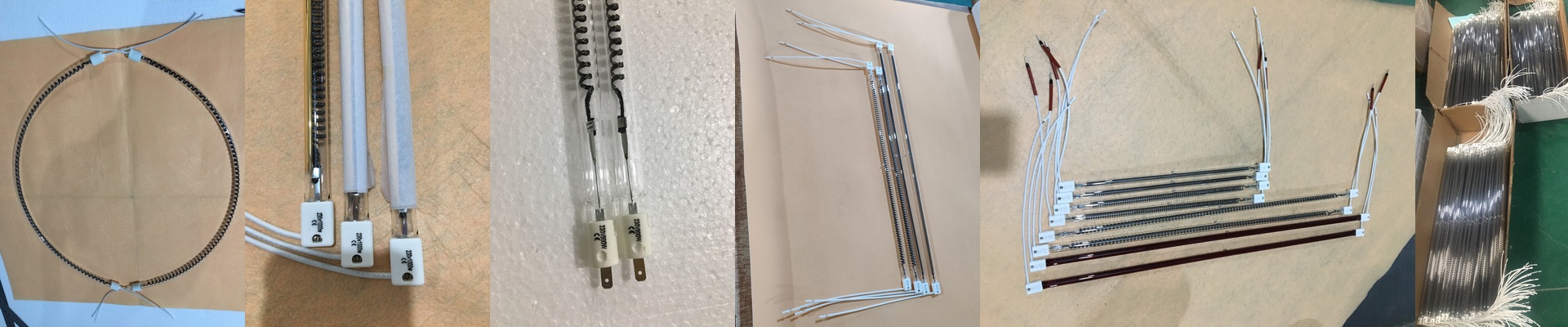
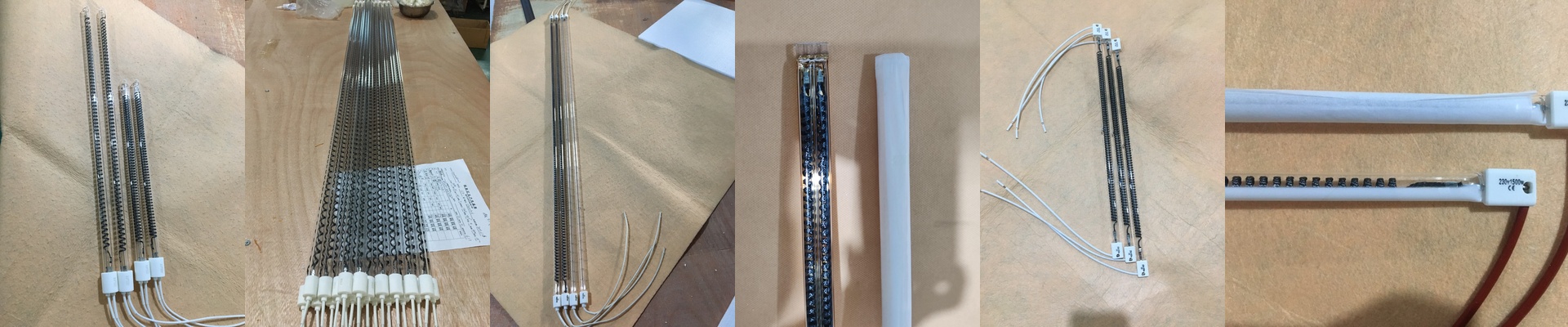
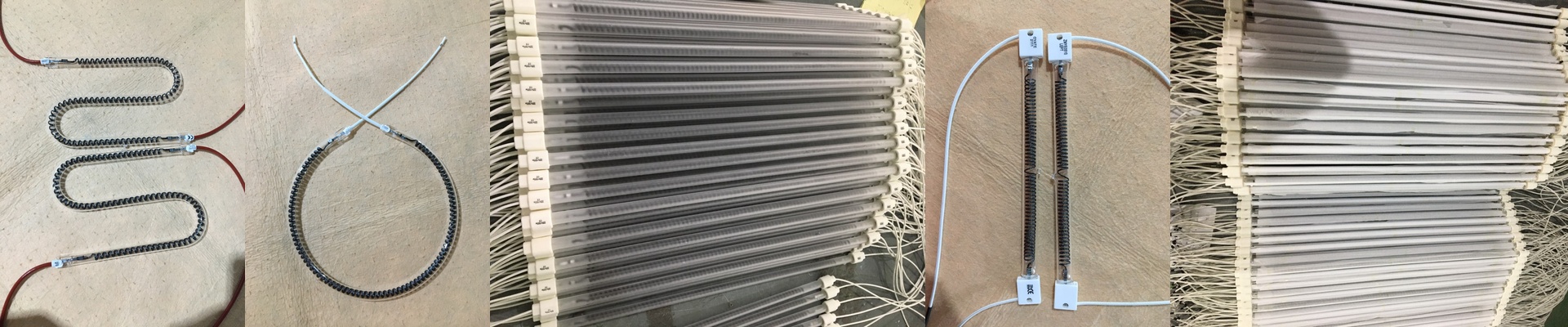
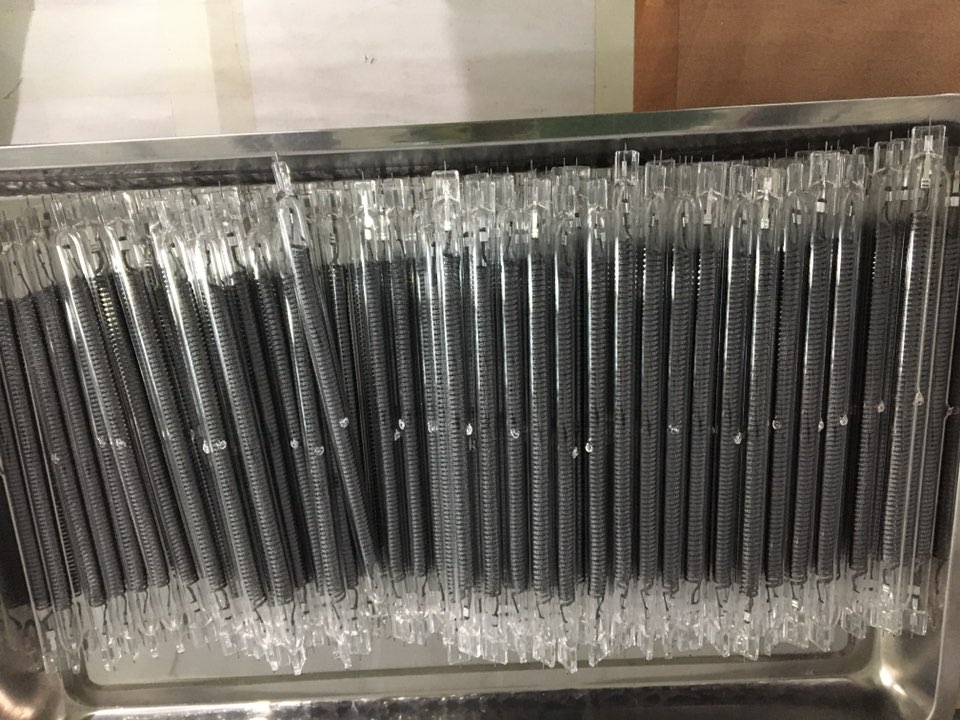
Ever feel like your production line takes forever to actually get up to temperature? That’s where carbon emitters come in. Instead of those old-school metal coils, we use a carbon fiber filament tucked inside a quartz tube. It’s a simple switch, but it makes a huge difference. You get high heat density without needing massive voltage. The best part? They hit your target temperature fast. Really fast. No more standing around waiting for the machines to warm up. Getting the power right Here’s the thing: the heat you get depends entirely on how much wattage you pack into the length of the tube. If you need a “thermal shock”—like when you’re blowing PET or curing something quickly—you’ll want a high-wattage tube in a short space. Just be careful with your power supply. You have to match the voltage exactly. If you over-volt these things, the filament will pop almost instantly. Not a fun way to start a shift. The build and the bits We use high-purity quartz because, frankly, anything else would warp under this kind of heat. When it comes to connectors, you’ve got a couple of choices. The R7s is your standard push-in fit—it’s basically a “plug and play” replacement for most industrial ovens. And guess what? Some of our units have a special coating. It changes how the heat moves, pushing it deeper into your material instead of just scorching the surface. The trade-offs (because nothing is perfect) The response time is incredible. You can flick these on and off rapidly, and they’ll keep up without that annoying lag you get with ceramic heaters. But there’s a catch. All that concentrated heat is tough on the surrounding gear. You’ve got to make sure your cooling fans and vents are actually doing their job. If the area around the lamp holders gets too hot, your housing will melt, and you’ll end up with a short circuit. To avoid a headache, just make sure you’re using high-temperature cabling for the wiring. It’s a small detail that saves you from a huge mess.