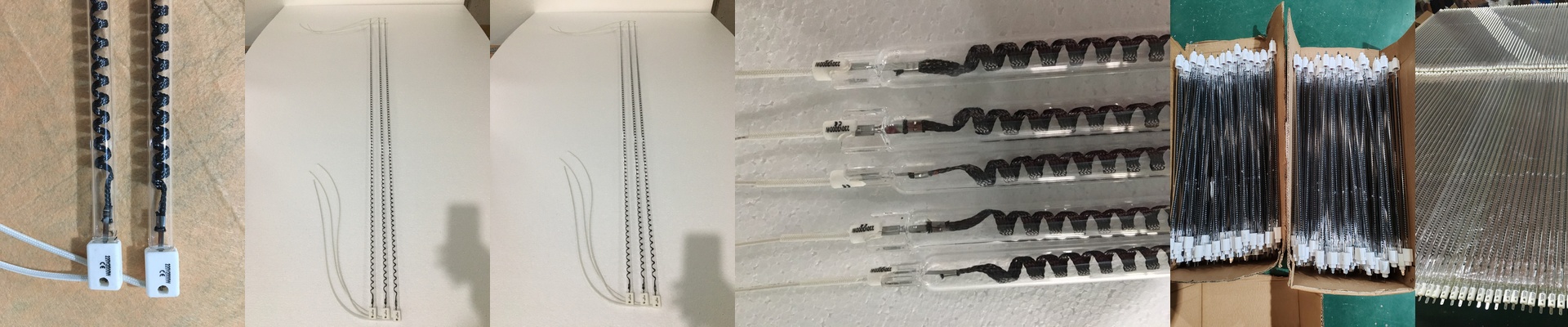
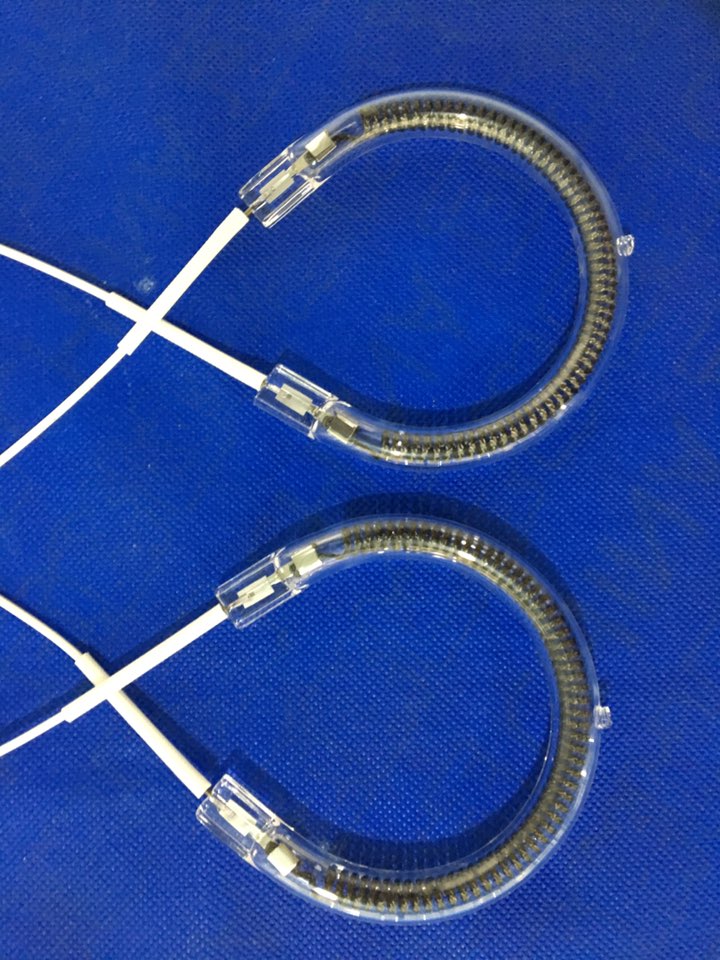
Carbon Fiber Spiral Halogen Heating Elements: Built for serious industrial heat
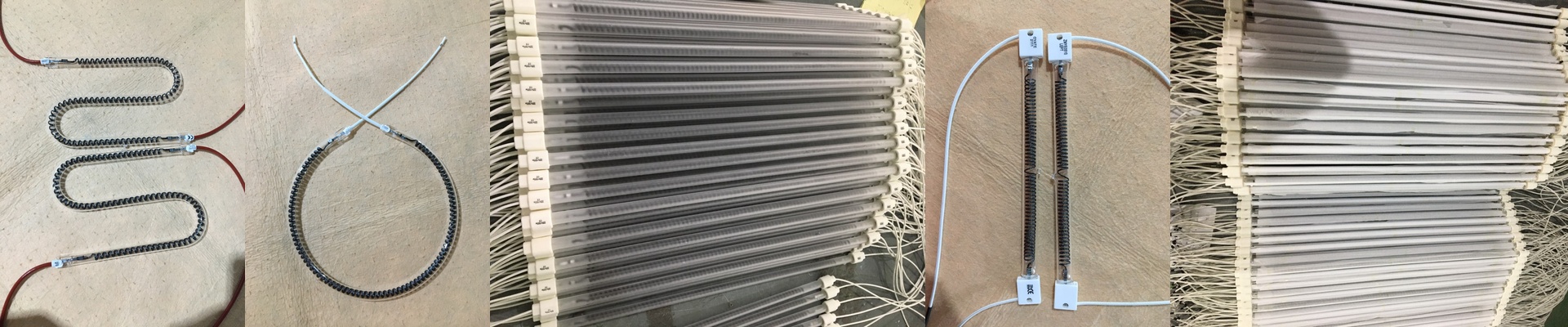
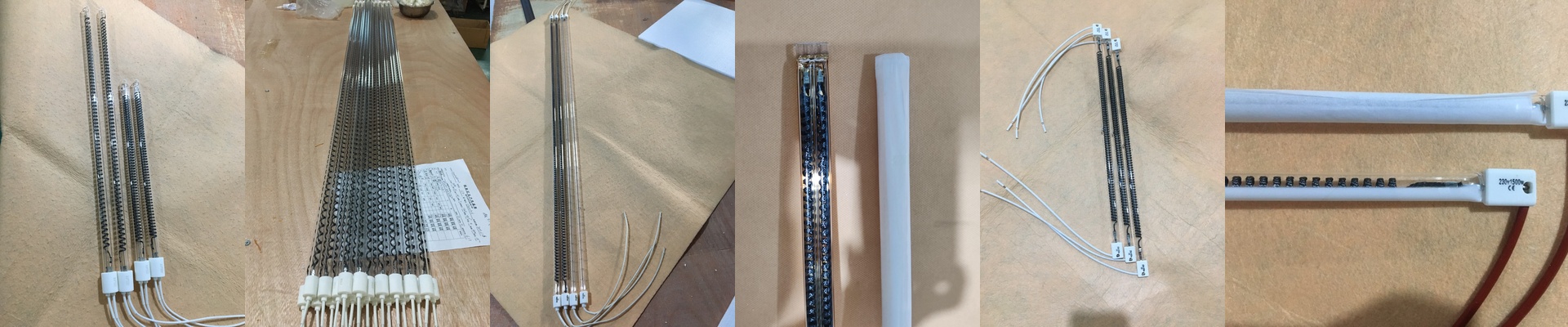
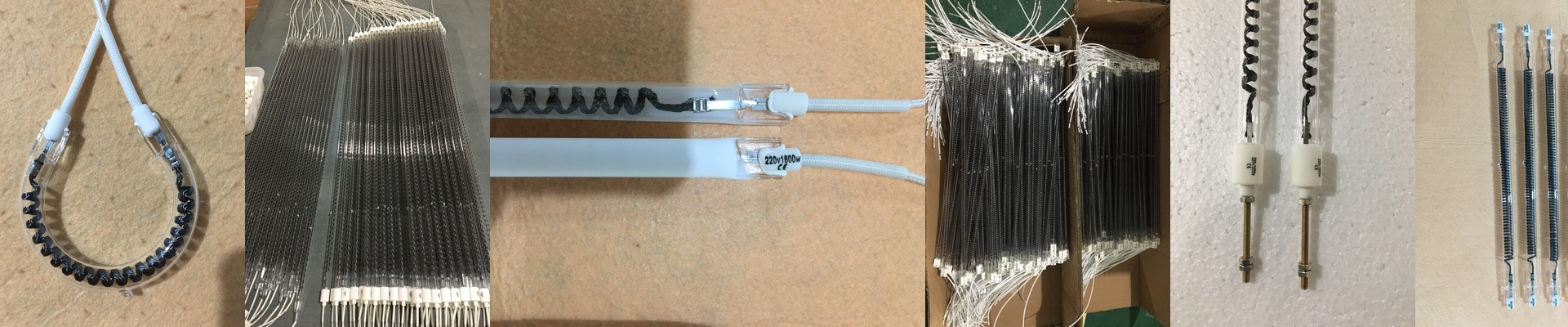
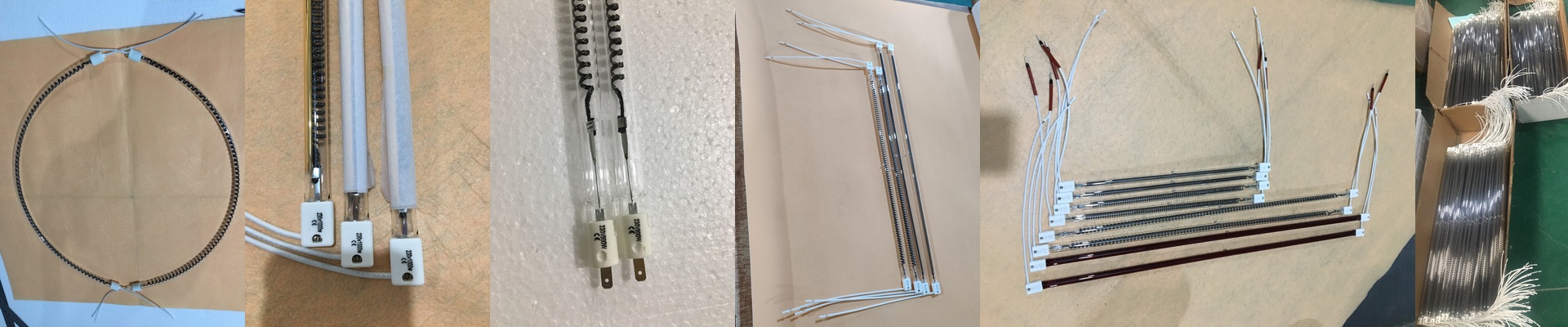
We built this heating element for the engineers who need serious heat in a tight space. You know the kind—someone who needs a powerhouse that can be wired up quickly and then just keeps running, day after day. Inside, a carbon fiber spiral filament sits in a quartz envelope, hooked up with an R7s connector. It’s a workhorse, plain and simple. It’s designed to deliver stable, fast heat without taking up a ton of room.
The power behind the heat
Here’s the setup: we spec these for 400V operation, typically at 2500W, all packed into a 300mm tube. That combination is what gives you such high heat density in a small footprint. You get a rapid warm-up and temperature control you can count on. But, and this is important, that kind of output comes with a trade-off. The surrounding equipment has to be ready for it. If your cooling and thermal shielding aren’t designed for this level of heat, the lamp will run hotter than it should, and its lifespan will take a hit.
Why it’s built this way
Let’s talk design. The spiral filament gives you more radiating surface inside the tube. That means better heat distribution and fewer hot spots. The halogen fill keeps everything stable at high temperatures and helps slow down filament evaporation. The result? A longer run time before the output starts to fade. The quartz envelope is tough. It handles sudden temperature changes and keeps the whole thing sealed and clean. And the R7s base? It’s just a practical, no-nonsense choice for the factory floor. It gives you a solid, two-terminal connection that makes swapping the element out fast, so you can get the machine back up and running with minimal downtime.
Where it shines
This configuration is perfect when you need intense, localized heat in a small footprint. Think plastic processing, sealing, curing, and other industrial heating stations. That 400V, 2500W power packed into a 300mm form factor gives you a lot of heat in a tight spot. And because it’s a straight-up replacement for existing R7s systems, you don’t have to redesign your fixtures. Just remember, with this much power, your machine needs proper airflow and thermal management. Give the lamp the space it needs to breathe, and it will run for its rated life.