Introduction
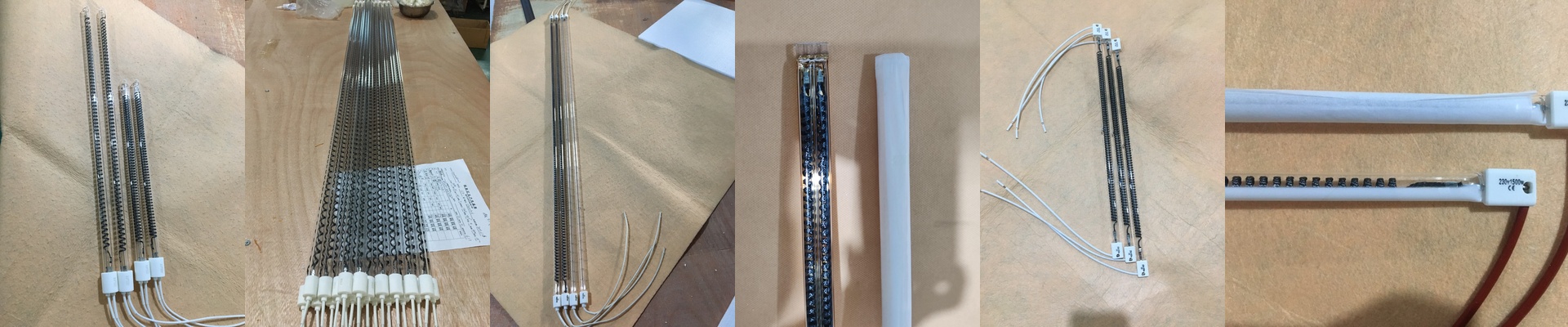
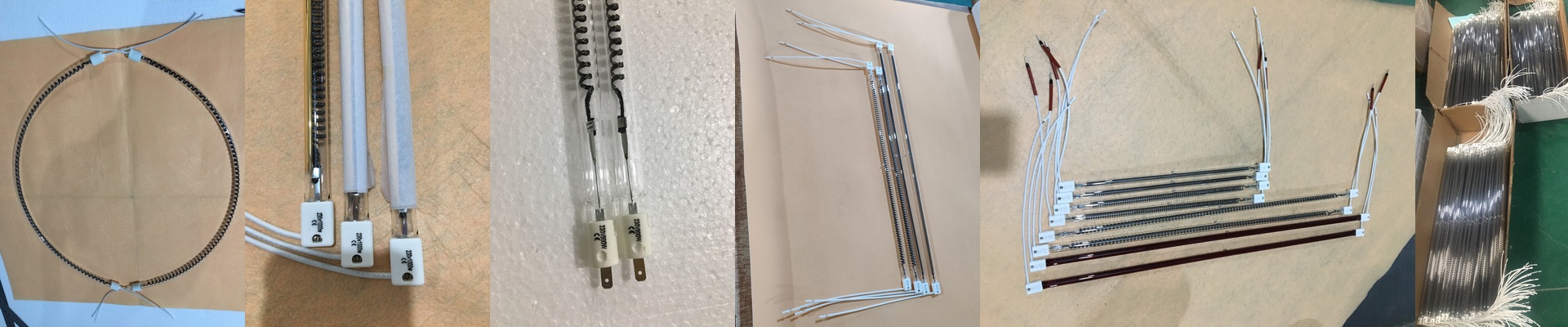
We built this fiber carbon heat tube for one reason: to give industrial equipment a serious punch of heat, without taking up a ton of space. It’s for engineers who need real thermal power in a small footprint—whether you’re running a PET blowing machine or a thermoforming line. This isn’t some fussy lab piece. It’s a workhorse, built to show up and get the job done.
Technical Deep-Dive
Let’s get into what makes it tick. Most of the time, you’re looking at a 400V, 2500W setup. That kind of power density means the tube heats up fast. The length is usually around 300mm, which is just right for fitting into tight spots inside your machinery. But here’s the thing—that kind of power comes with responsibility. Hitting those temperatures quickly means your electrical system has to be ready for the load. Your control gear and wiring need to be rated for the current and insulation. And on the thermal side, packing 2500W into 300mm creates a lot of concentrated heat. So you have to make sure your machine’s cooling and airflow are up to the task. Keep those temperatures in check, and you’re good.
Material & Design
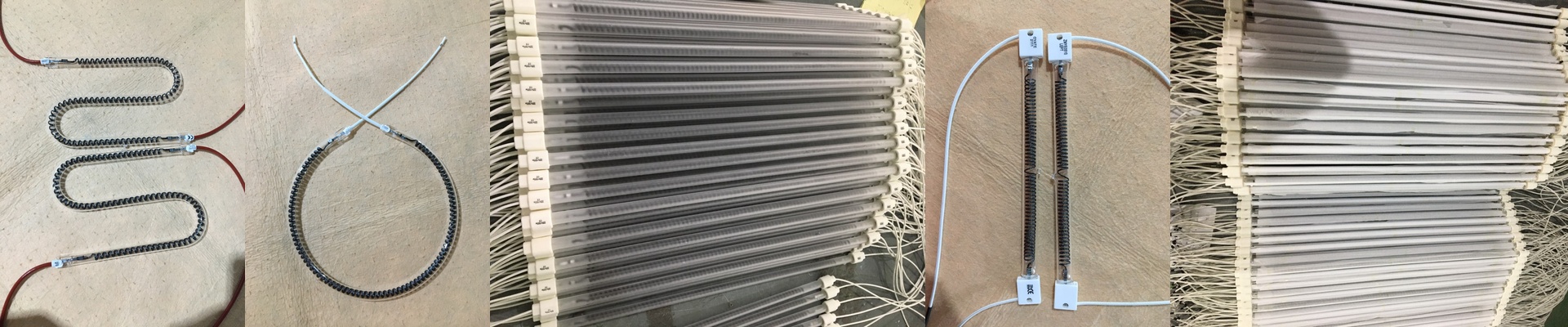
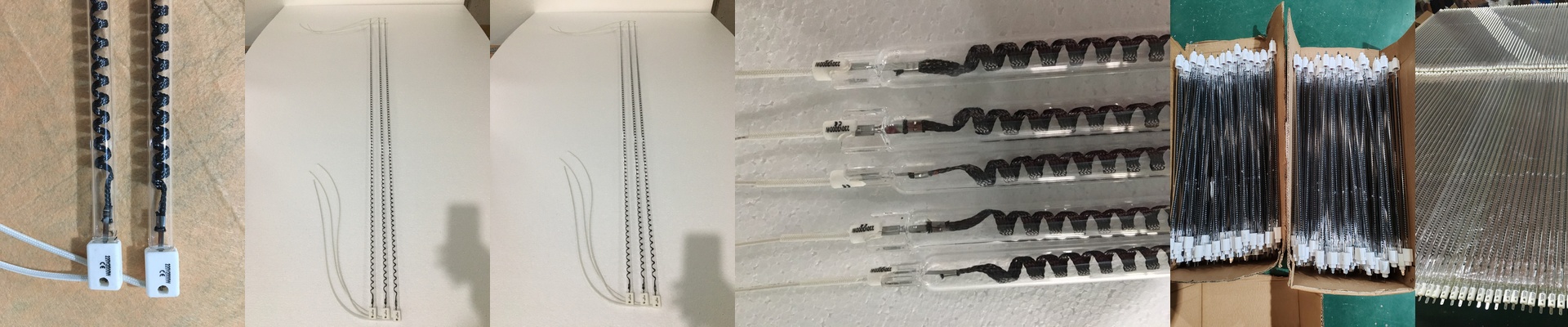
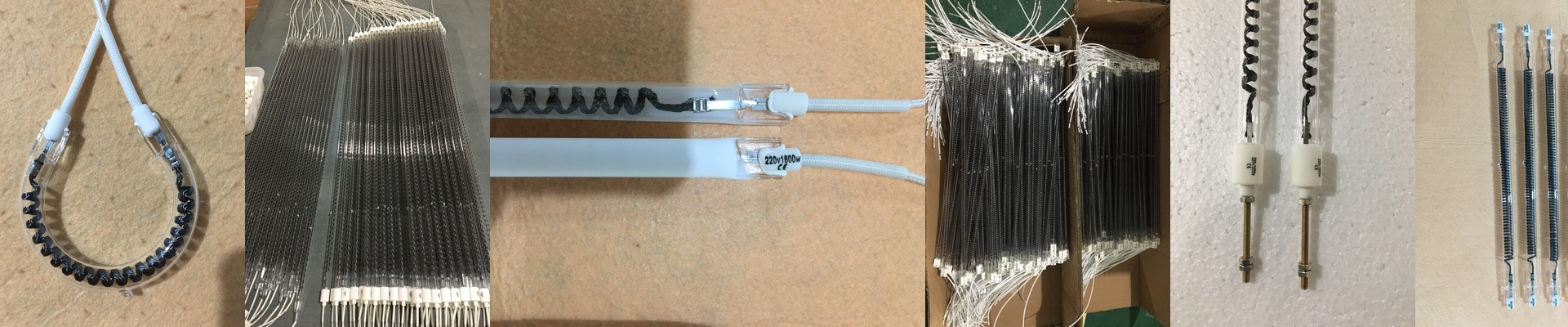
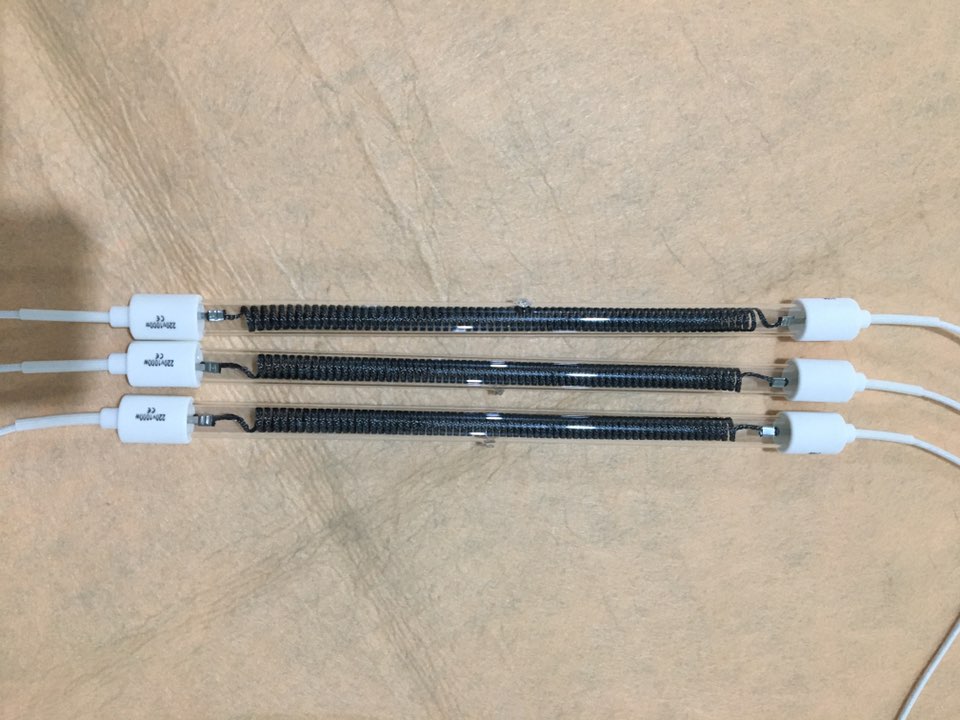
Inside, the fiber carbon element heats directly and efficiently, while the halogen gas keeps the filament stable. We wrapped it in a quartz envelope. It handles the thermal shock well, and it stays clear enough for you to keep an eye on things. The coating does two jobs: it manages the infrared output and protects the envelope. That means less surface grime and longer stretches between service calls. And for the connections, we went with an R7s connector. It’s a standard two-pin setup, so you can drop this tube right into existing fixtures. No messing around with rewiring or fighting alignment.
Application & Benefits
Where does this tube really shine? Any place that needs intense, focused heat—PET blowing, plastic sealing, curing in an oven. The 300mm length and R7s mounting make replacement quick when a burnout happens, so you get back online fast. That high watt density means shorter heat-up times, which can help you speed up your cycle rates. But, and this is important, the output is aggressive. You need to design in proper cooling and thermal shielding to protect the surrounding parts. Get the specs right, and you’ll have dependable heat exactly where you need it—without tearing the whole machine apart.