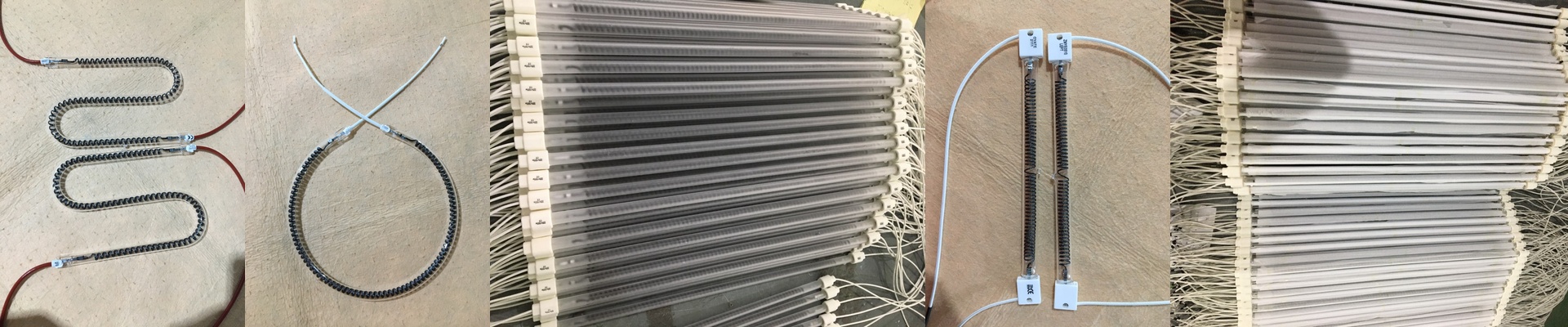
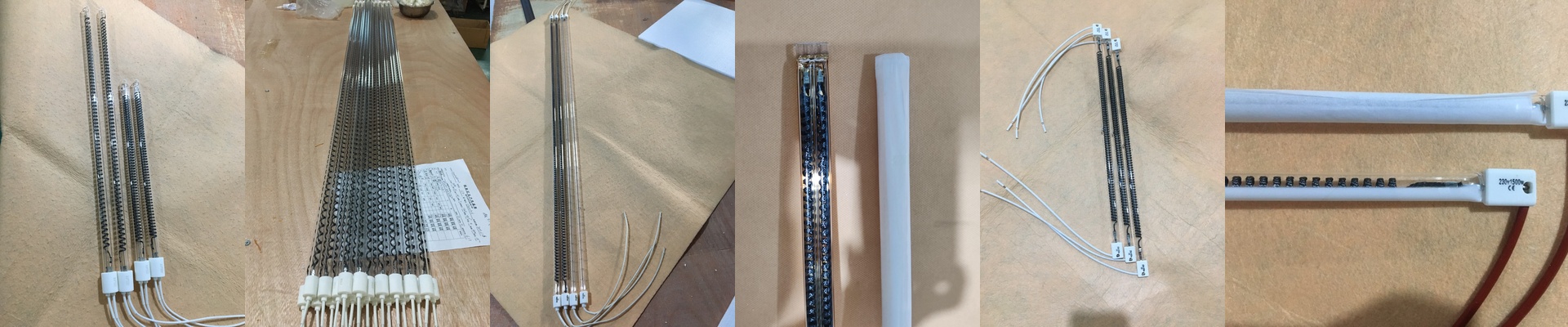
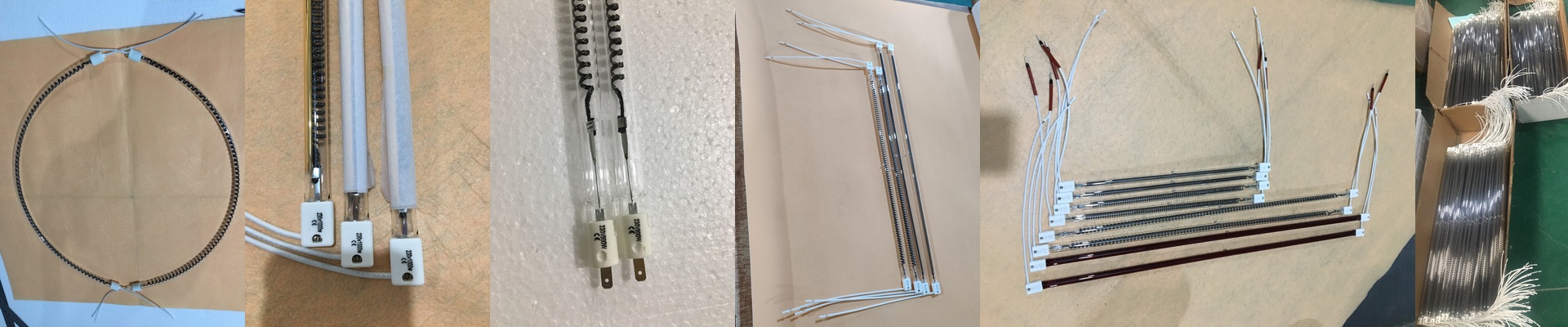
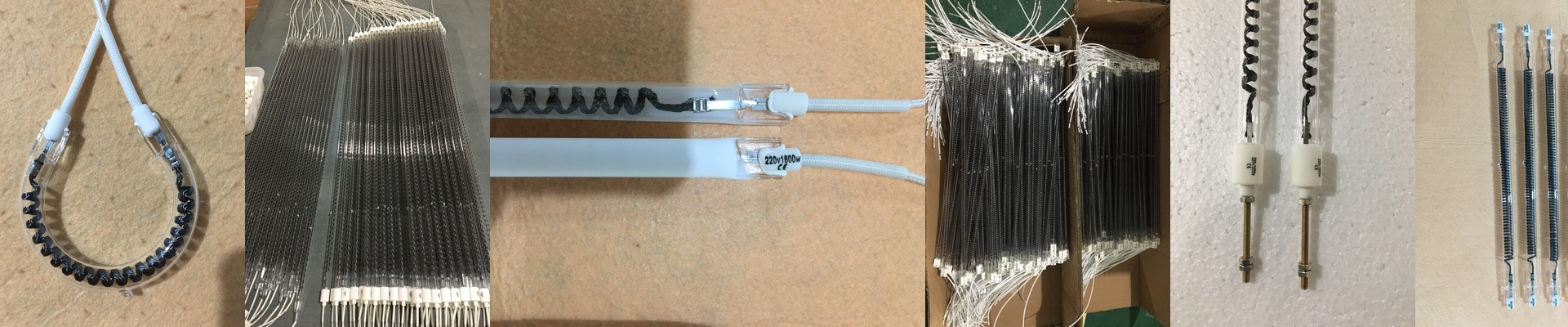
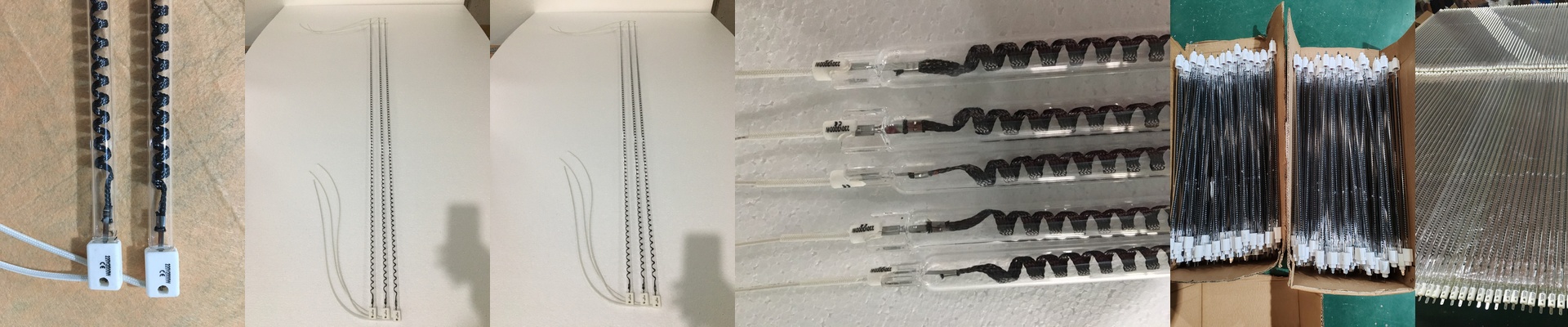
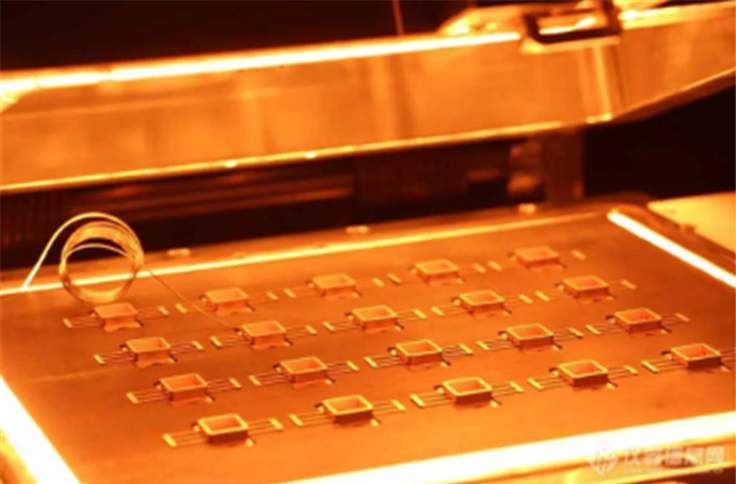
If you want to speed up your curing times without accidentally frying your PCB, you have to get the infrared (IR) spectra and your glue’s absorption peaks to play nice. Here’s the problem: most generic heaters are just wasting energy. The heat either bounces right off the surface or disappears into thin air. We call our approach the “Efficiency Eye.” Instead of just blasting heat, we focus on the absorption rate to make sure the energy actually gets into the adhesive. The science bit (kept simple) Think of every adhesive as having its own unique fingerprint. Some glues love short-wave IR (SWIR), while others need medium-wave (MWIR) to actually start that chemical cross-linking. When your lamp’s emission peak hits that sweet spot, the material turns those photons into heat instantly. It’s a direct transfer. You aren’t heating up the air around the board, which means your sensitive SMD components don’t get stressed out. Why this matters for your cycle When the wavelengths don’t match, you’re stuck. You end up cranking up the temperature or leaving the board under the lamp way too long just to get it to set. That’s how you get “skinning.” The top layer dries, traps the solvents underneath, and suddenly you’ve got bubbles or voids ruining your work. But if you pick a lamp that actually matches the glue’s curve? You can move from minutes to seconds.It’s fast. Really fast. The trade-offs Now, it’s not all magic. High-intensity emitters give you the heat density you need for a fast line, but they’re thirsty for power. You’ll want to make sure your circuitry can handle that initial current spike when things warm up. Also, getting that exact wavelength usually means using a narrower emission band. It might cost a bit more per lamp than a cheap, broad-spectrum heater, but the results speak for themselves. My advice? Before you wire up the whole production line, grab a sample slab of your glue and run it under a spectrometer. Find your exact peak first. It saves a lot of headaches later.