Putting Automotive Electronics Through the Wringer
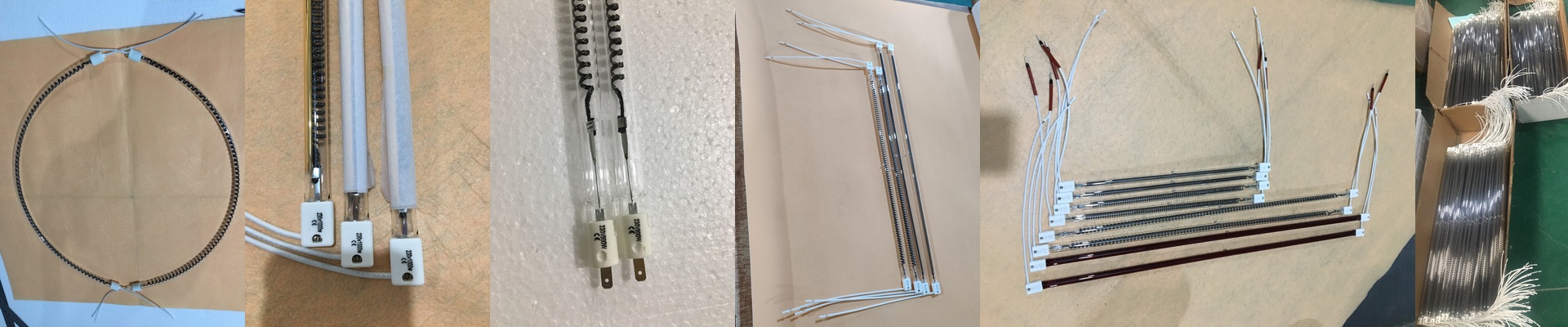
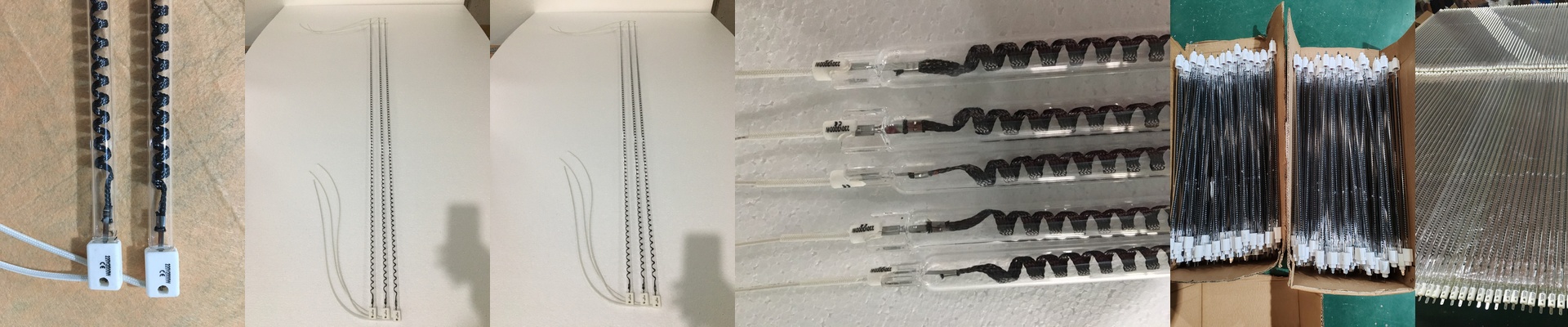
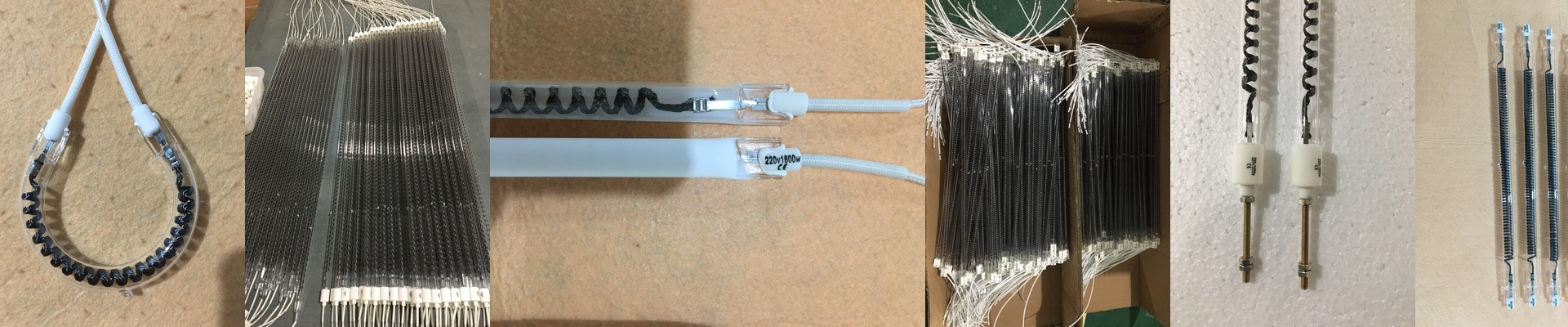
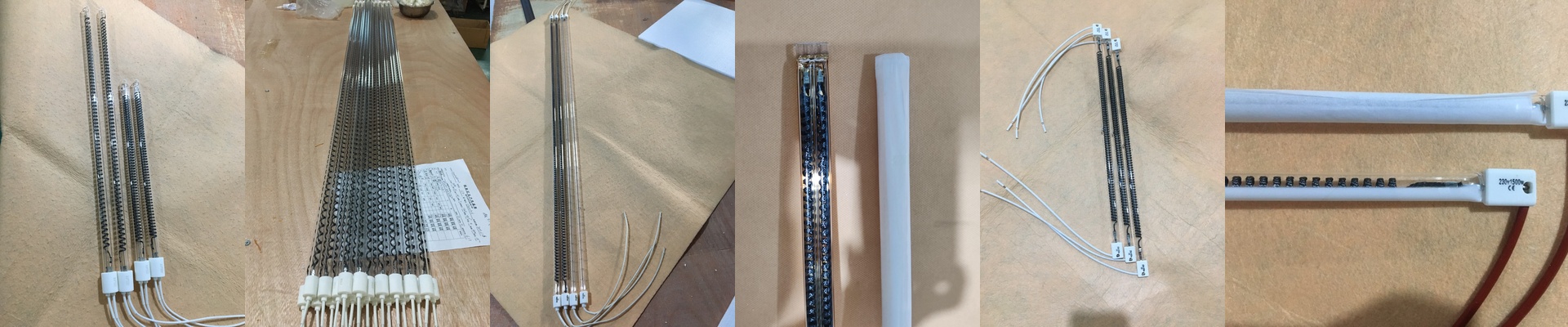
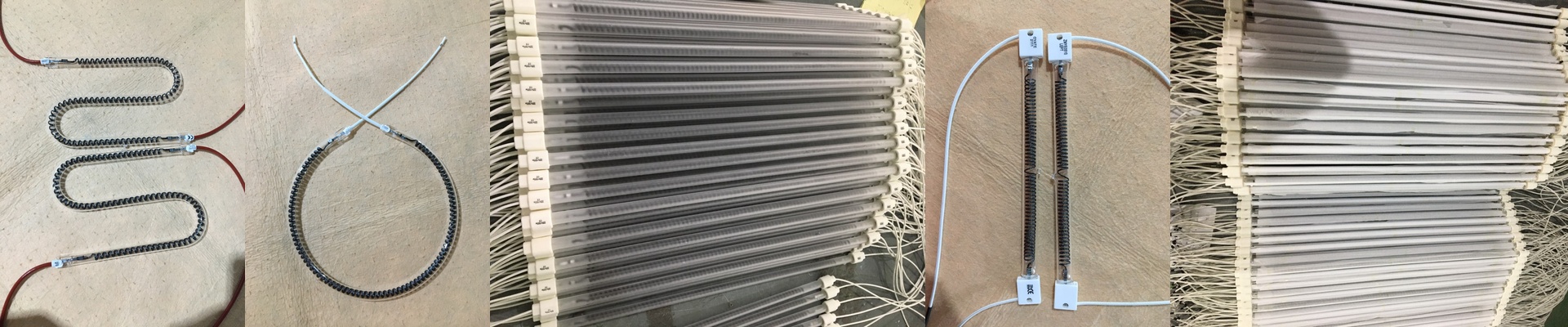
Things are getting brutal under the hood of modern cars. If you’re testing electronics these days, you know that standard heat tests just don’t cut it anymore. That’s why we use custom short-wave infrared (IR) lamps. Think of it as a surgical strike of heat. Instead of tossing your whole setup into a convection oven and waiting for the air to warm up, IR lamps blast radiant energy directly onto the PCB or housing. You get to stress the specific part that actually matters without turning the entire test chamber into a sauna.
Why the “Fast” Heat Matters
When you’re trying to mimic a peak engine bay temperature, you can’t afford to wait around. We use lamps with a high wattage-to-length ratio because they’re fast. Really fast. Short-wave IR doesn’t just sit on the surface; it sinks in. It hits the internal circuitry almost instantly. We calibrate the voltage and wattage so you can hit your target temps in seconds. No more “soak time” lag. You just flip a switch, and you’re in the heat of the action.
The Nitty-Gritty: Quartz and Connectors
We build these tubes out of high-purity quartz. But we don’t just leave them plain. For automotive work, we often add special coatings to the quartz to shift the emission spectrum. This makes the heat feel more like actual solar radiation or the raw heat of an engine. Then there’s the wiring. This is where people usually mess up. We use R7s or SK15 connectors depending on how much space you have, mostly because they can handle high current without melting into a puddle. Here’s a heads-up: if you’re pushing over 2000W through a single tube, check your sockets. If they aren’t rated for that kind of heat, your connectors will burn out long before the lamp does. And that’s a mess nobody wants to clean up.
The Trade-offs
Now, high-intensity IR is a powerhouse, but it’s not perfect. It creates a very tight thermal gradient. Basically, the spot directly under the lamp takes a beating, while the edges stay relatively cool. To fix that, you’ll probably want to rotate your samples or set up a reflector array to spread the heat around more evenly. One last thing: these lamps are thirsty for power. Make sure your power supply can handle that initial inrush of current. Otherwise, you’ll be spending your afternoon resetting tripped breakers instead of actually running your tests.