Why IR Beats Hot Air for BGA Desoldering
Imagine you’re staring at a smart grid controller, trying to pull a BGA chip without turning the rest of the board into a melted mess. Most of us just grab a hot air gun. It’s the default move. But here’s the problem: hot air only really hits the surface.
The struggle with “soaking” heat
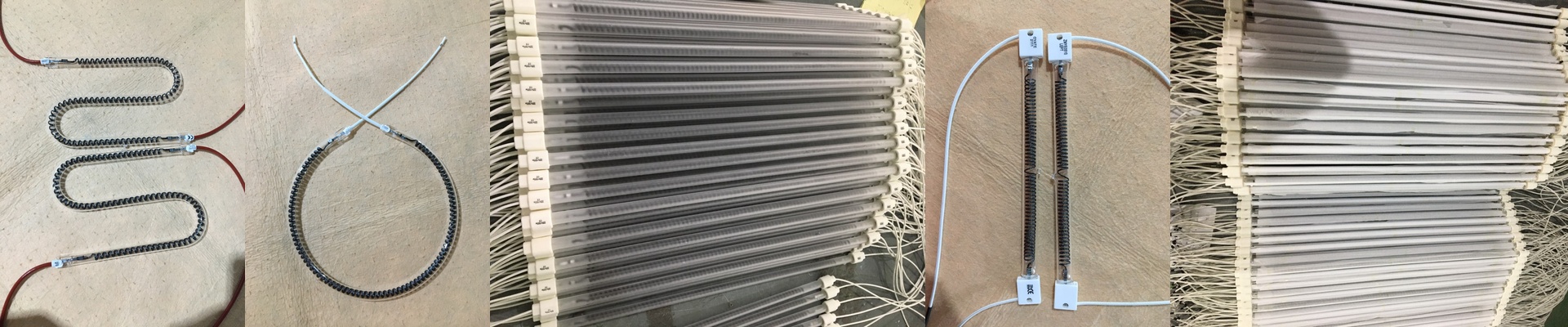
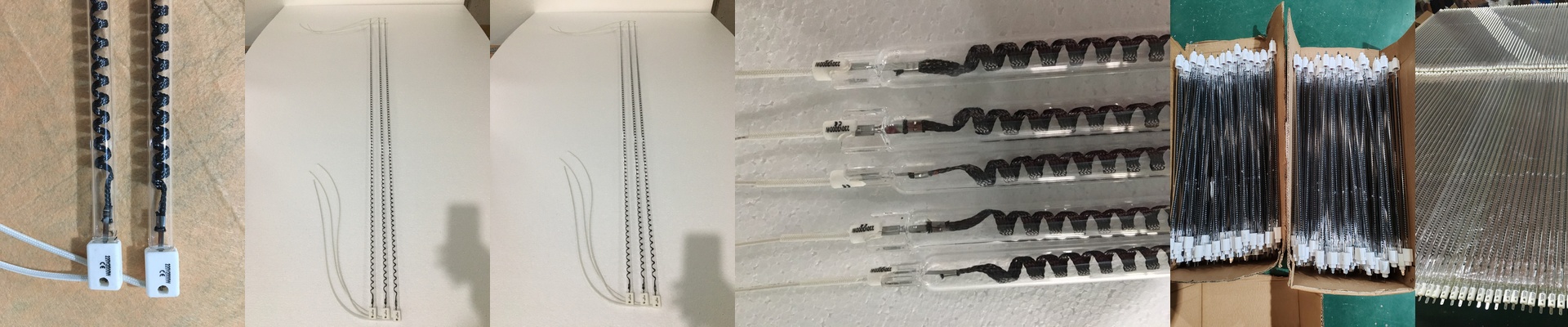
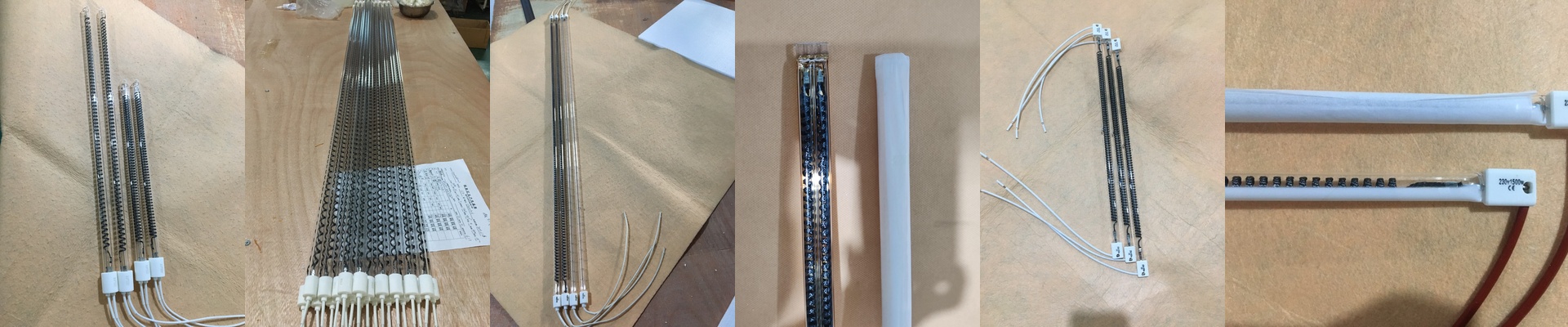
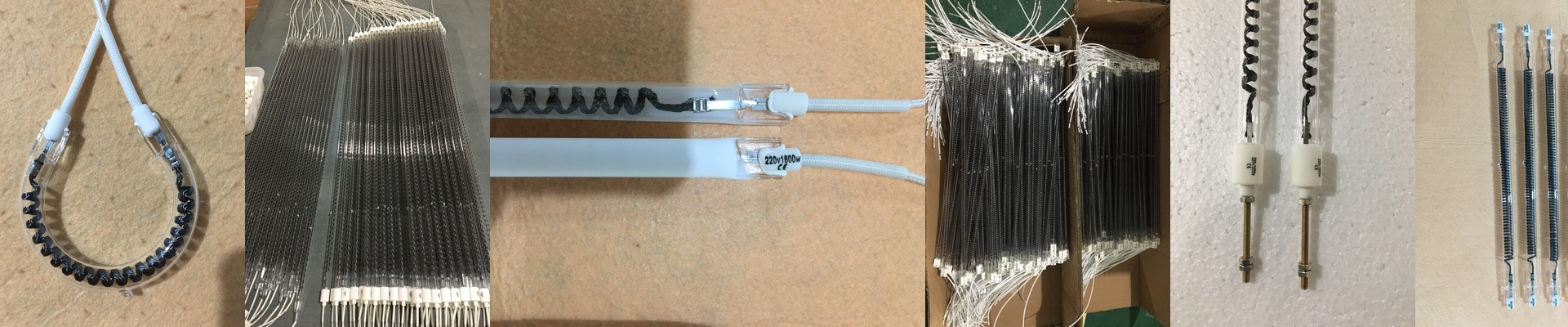
Think about how hot air actually works. You’re blowing heat onto the top of the chip and basically praying it “soaks” through the silicon and the substrate to reach the solder balls underneath. It’s a slow process. Often, you end up scorching the top of the chip while the solder joints on the bottom are still stubbornly cold. It’s frustrating, and honestly, it’s a bit of a gamble. That’s why I prefer infrared (IR) heaters. Instead of pushing air around, IR uses radiation. These waves don’t need air to move; they just dive right in. They excite the molecules inside the component and the PCB itself. The heat builds from the bottom up. It’s a volumetric effect. The solder joints hit that melting point way faster than the surface of the chip ever reaches its danger zone. It just feels… cleaner.
Keeping things from blowing up
We’ve all seen “popcorning”—that nightmare where trapped moisture in the chip expands too fast and literally cracks the package. It’s a gut-punch of a mistake. IR helps you avoid this because the heat is spread more evenly across the footprint. You don’t get those scary, localized hot spots that happen when a nozzle is slightly off-center. But you have to be smart about it. Short-wave IR is aggressive. It’s fast—which is great—but if your PID controller isn’t dialed in, you can overshoot your target temperature in a heartbeat. And a quick tip: if you’re working with a board that has a heavy copper ground plane, that copper is going to act like a heat sink and steal all your warmth. Don’t just blast the chip. Preheat the whole board to around 150°C first. It keeps the PCB from warping under the stress and makes the final reflow a breeze.