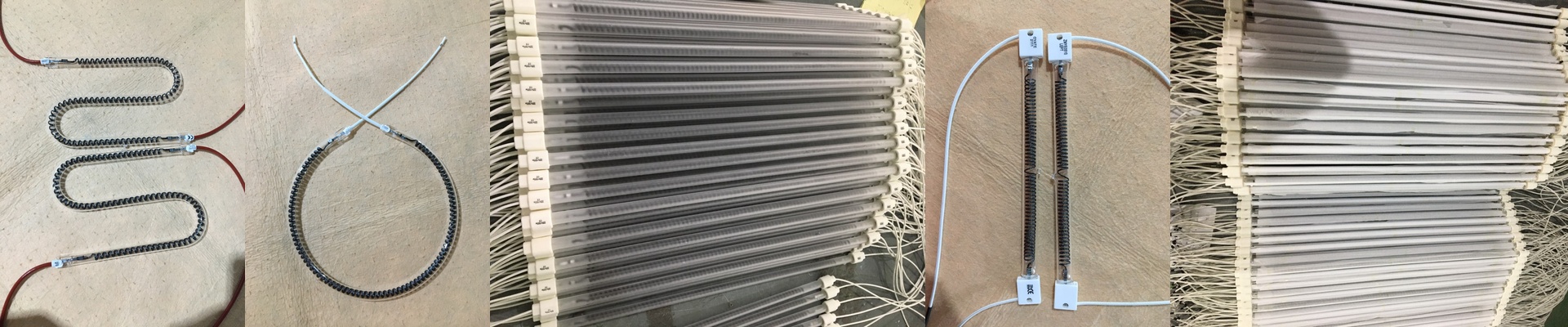
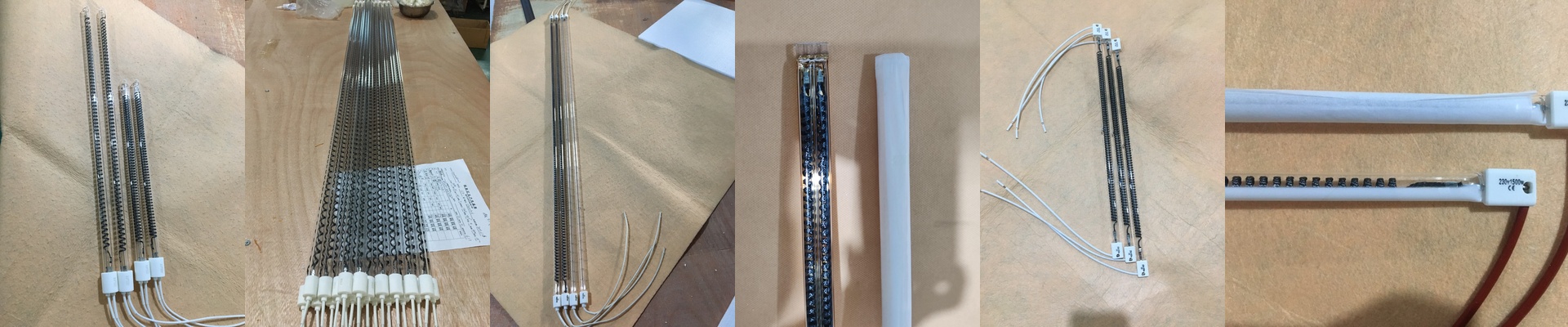
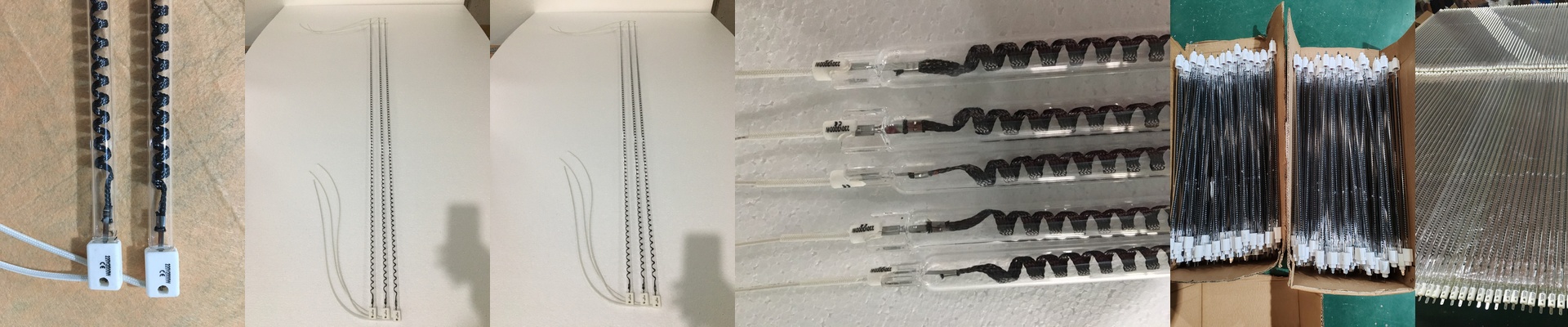
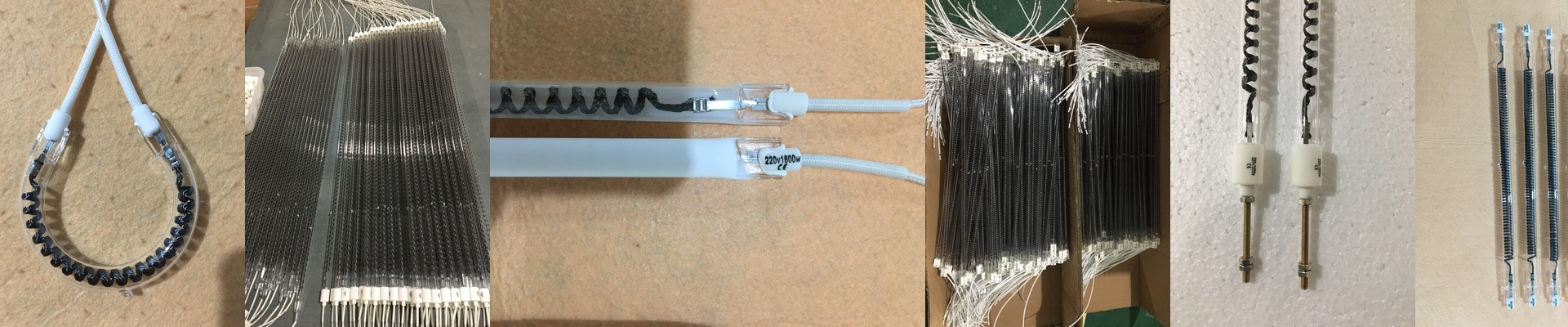
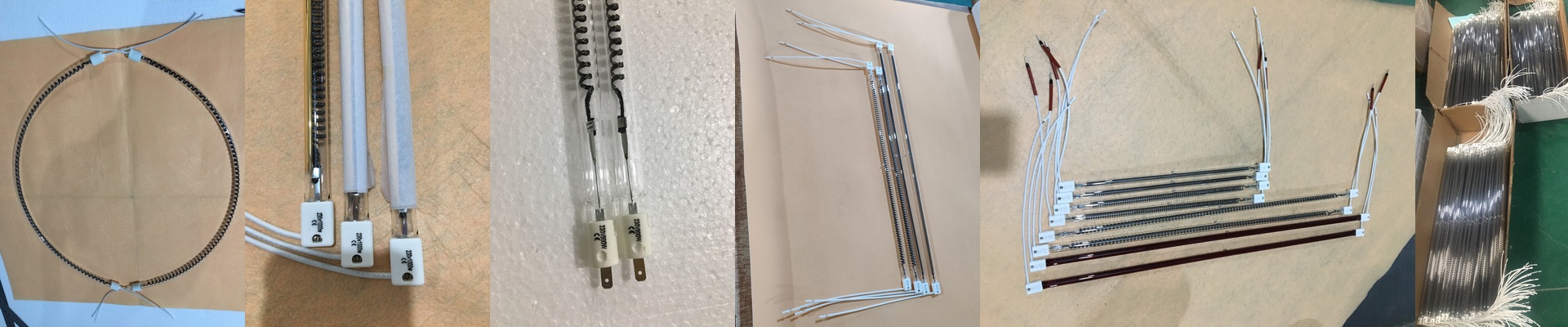
Let’s talk about our 1200W Carbon Fiber IR Lamps
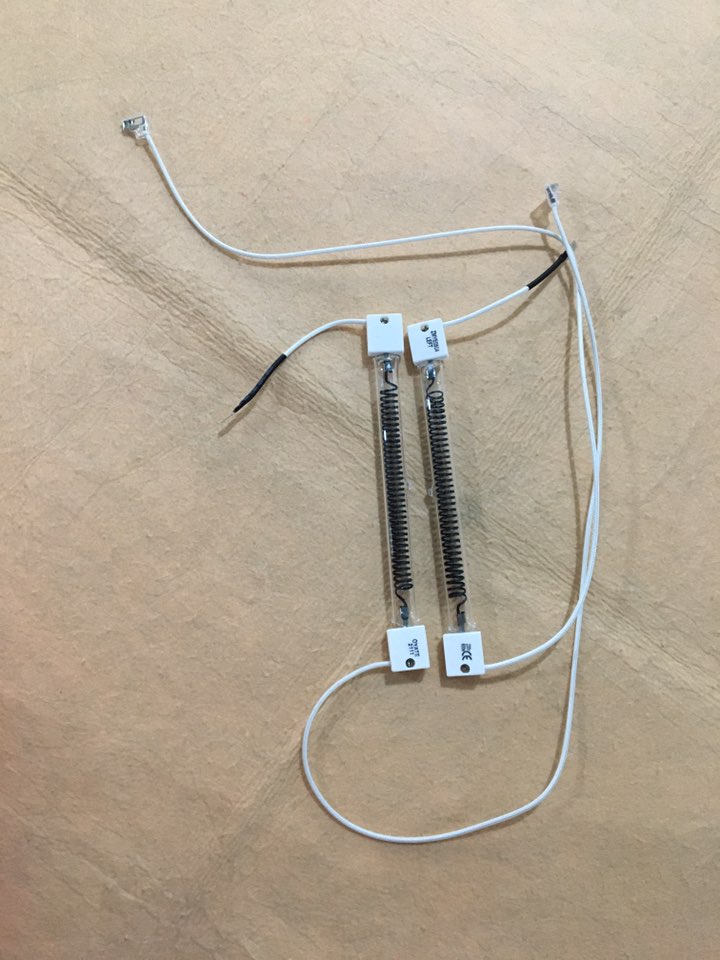
We put these together using a carbon fiber heating element tucked inside a high-purity quartz tube. Now, if you’ve used standard metal coil lamps, you know they take a minute to get going. These are different. The carbon fiber kicks in way faster and hits a spectrum that actually sinks into your materials rather than just sitting on the surface. The heat is intense. At 1200W, we’re talking about some serious power density. We can tweak the length and voltage so it fits your machine perfectly—no awkward gaps or weird workarounds. But a word of advice: check your power supply. When you first flip the switch, there’s a surge that can trip things if you aren’t ready for it. Also, keep an eye on your airflow. Because the quartz gets hot so quickly, if the air can’t move, you’re risking a thermal shock that could crack the tube. Not a great way to start your morning. Why carbon fiber and quartz? The quartz tube is basically the bodyguard. It keeps everything sealed and lets the IR radiation fly right through without soaking up the heat itself. We chose carbon fiber for the filament because it’s tough. Metal alloys tend to sag or warp when things get screaming hot, but carbon fiber holds its shape. That means the heat stays even from one end of the tube to the other. If you’re doing precision curing or drying, that consistency is everything. Getting them installed Since these are custom builds, we can spec the connectors however you need them. The goal is for them to just slide right into your existing rig without a fight. Just be careful. Quartz is strong, but it’s brittle. One clumsy move during installation or a stray bump on the shop floor and you’ve got a mess of glass. And please,**don’t over-tighten the mounting clips.**The tube needs room to breathe and expand as it heats up. If you clamp it down too tight, it’ll snap the moment it hits peak temperature. Give it a little wiggle room, and it’ll treat you just fine.