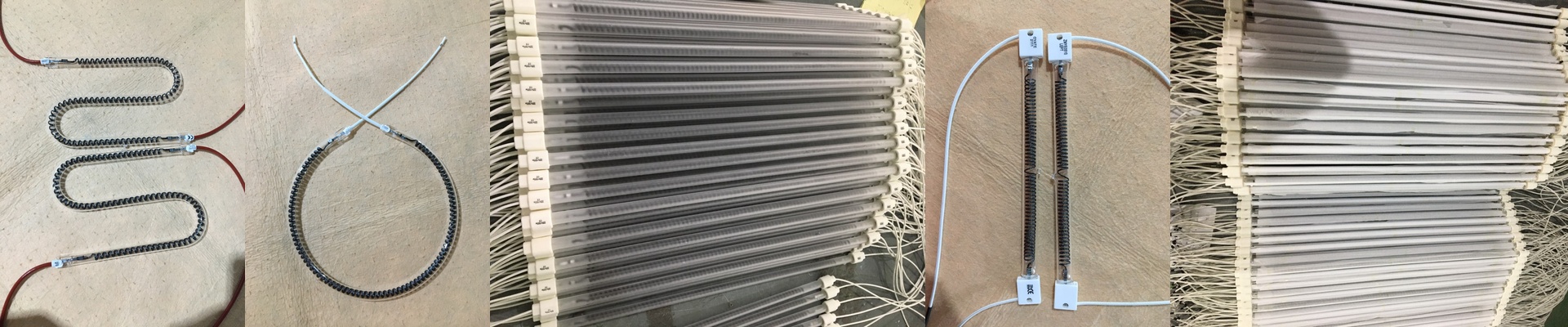
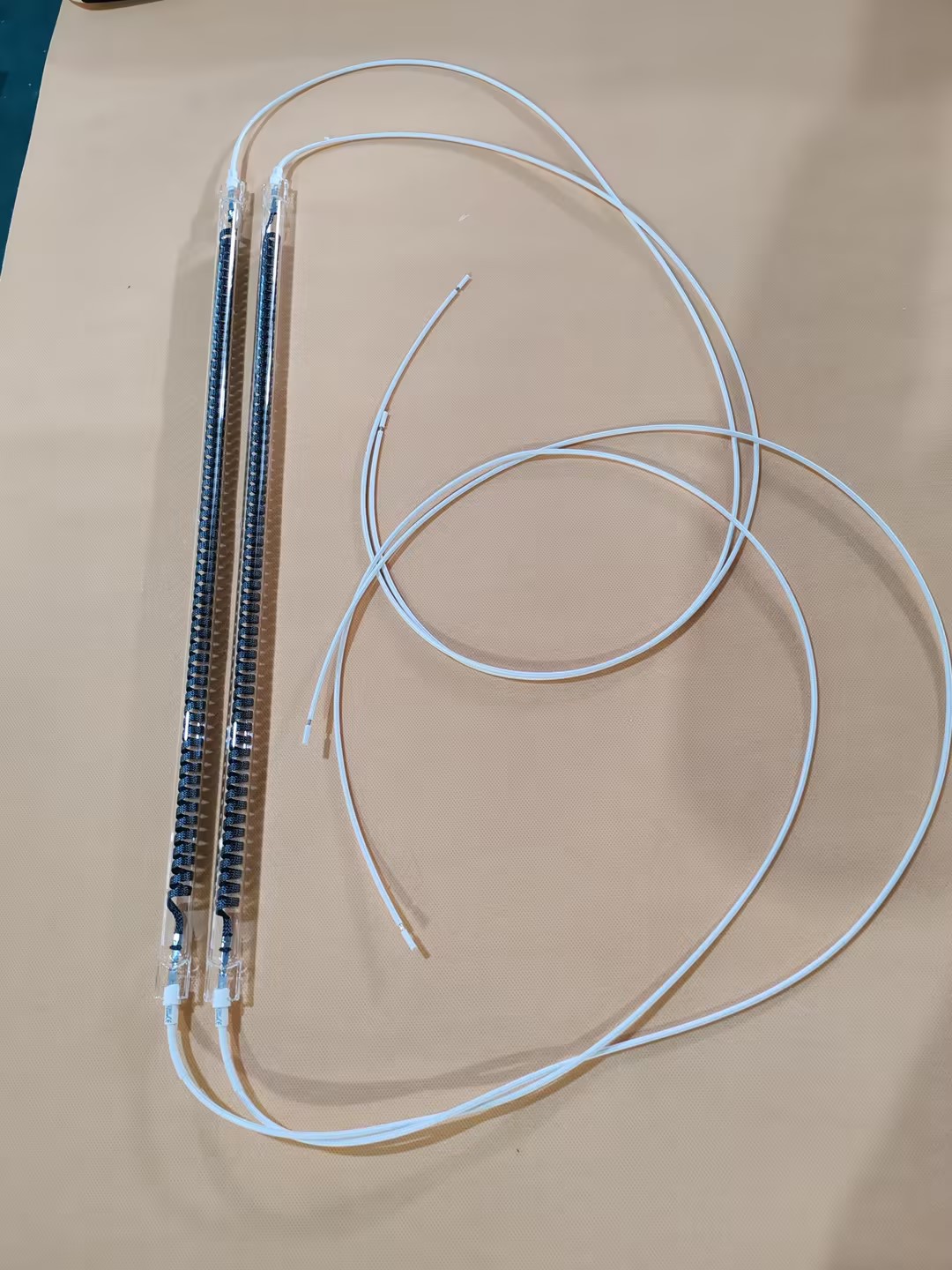
carbon Fiber Quartz Halogen Heater: The Heat Source That Keeps It Simple
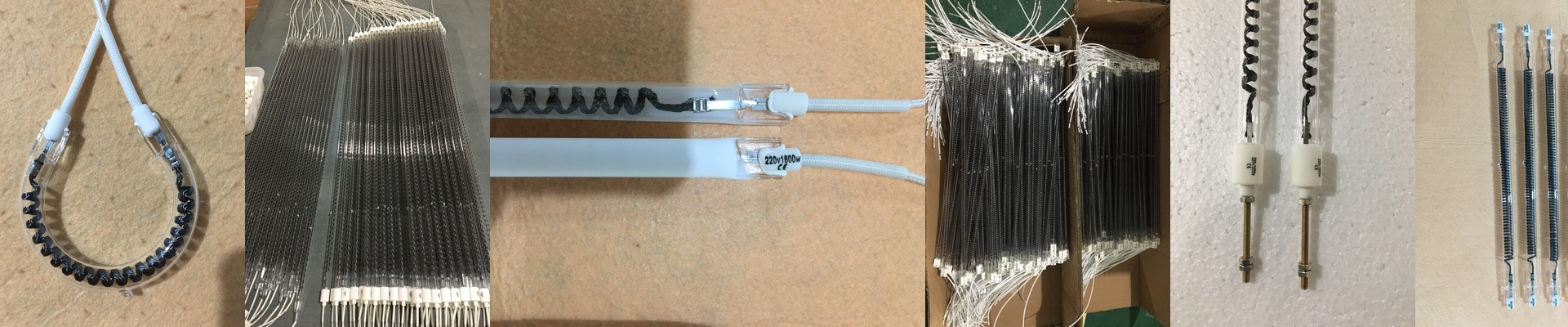
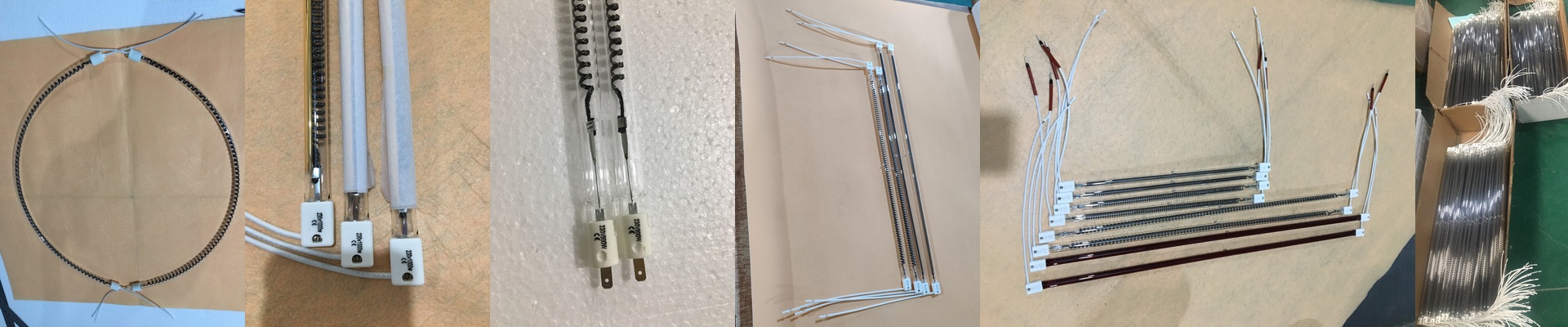
We built this carbon fiber quartz halogen heater for engineers who just need a compact, high-intensity heat source that fits cleanly into industrial gear—without making the whole system more complicated than it needs to be. It’s a shortwave infrared heater, wrapped in quartz, and designed to jump to temperature fast and hold steady—especially when you’re working inside tight machine spaces.
Power, voltage, and size: built for real-world plants
This heater runs on 400V, so it can plug straight into the kind of industrial line voltage you see across European plants and many global facilities. At 2500W, you’re getting serious power in a small footprint. The 300mm length matters because it focuses the heat where you need it, without forcing you to use a longer (and more expensive) element. That density means you get strong output per millimeter, but it also means the machine around it needs smart heat rejection. In other words: the heater delivers, and the surrounding design has to keep up.
What’s inside: quartz, carbon filament, and a no-fuss base
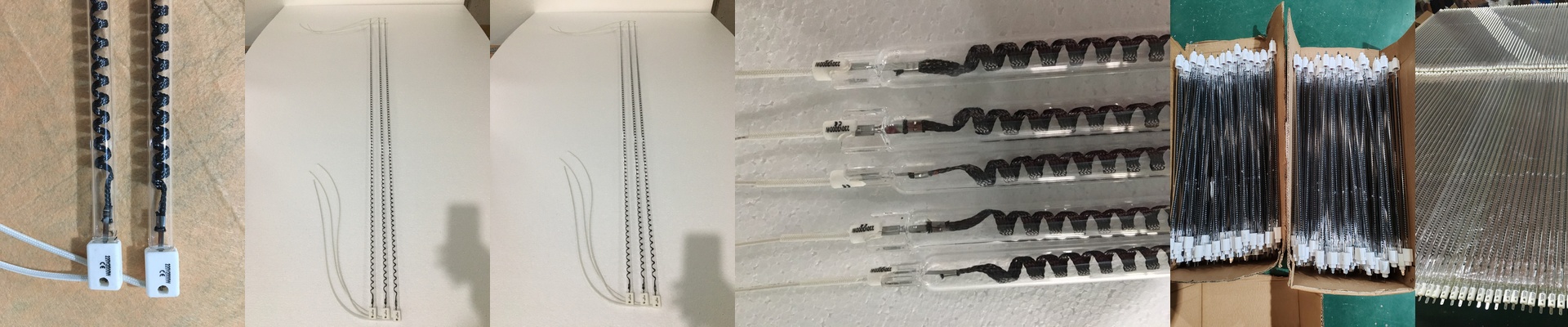
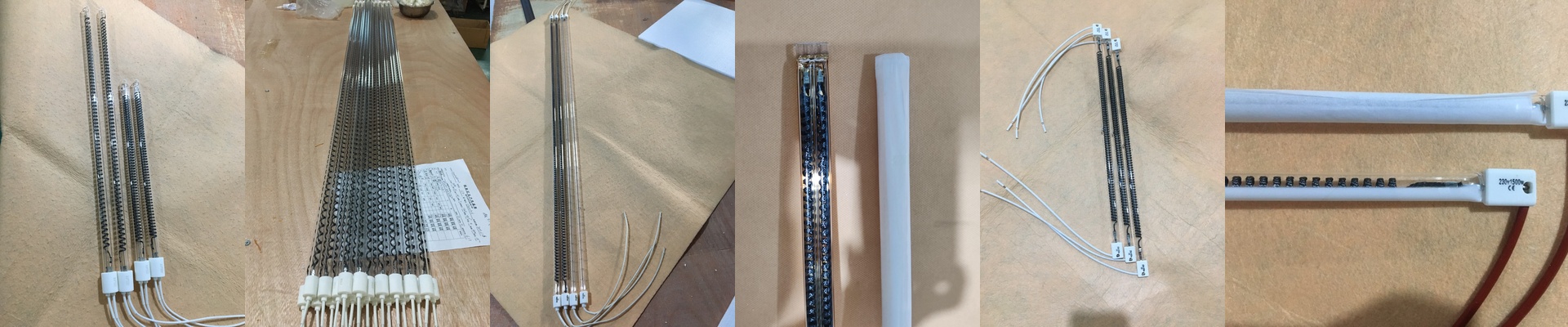
Quartz is the reason this thing can handle rapid temperature swings while transmitting shortwave IR efficiently. Inside, the carbon filament gives you a stable resistance path and a heating curve you can count on. The halogen gas fill helps the filament last longer by cutting down on evaporation—so it can run hotter without falling apart. And the R7s connector? It’s a practical, compact two-pin ceramic base that handles high temperature at the terminals and makes installation straightforward. No tools. No headache. It drops right into many standard lamp holders, so swapping elements on the line is quick.
Where it shines: high heat density when space is tight
This heater is made for places where space is limited but the heat demand is not—think plastic processing, coating drying, or localized curing. The shortwave IR output means fast heat-up, which helps reduce cycle time and keeps the process heat focused on the target. The carbon-in-quartz build also handles repeated thermal shock when machines cycle on and off. Just be honest about the trade-off: high heat density is powerful, but you need proper clearance and cooling so nearby components don’t get overwhelmed. When you plan the mounting right, you get a heater that’s easy to wire, easy to replace, and steady under continuous duty.