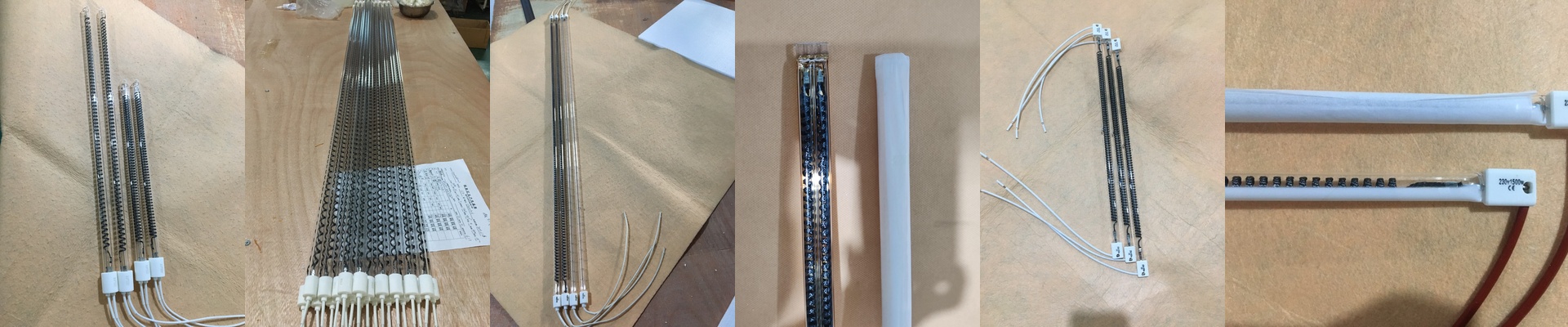
Let’s Talk About Carbon Infrared Heating Lamps
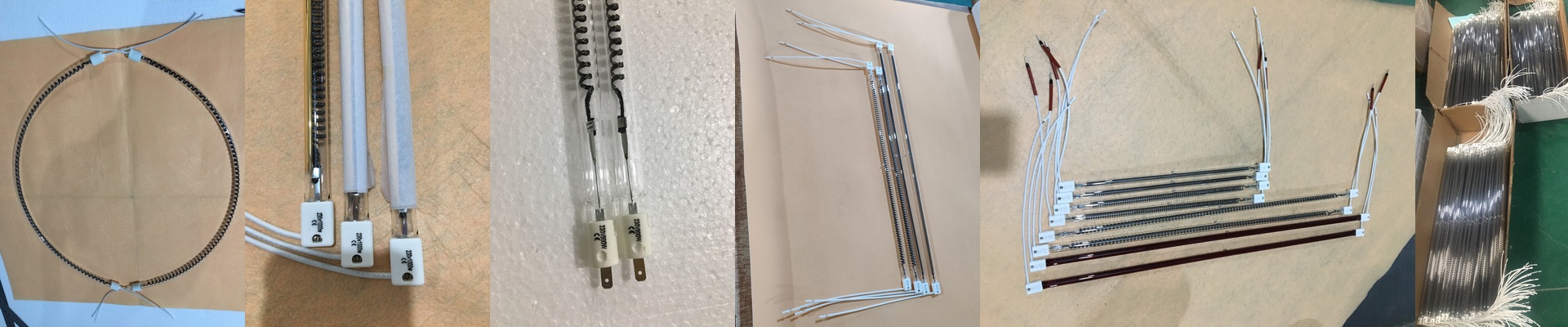
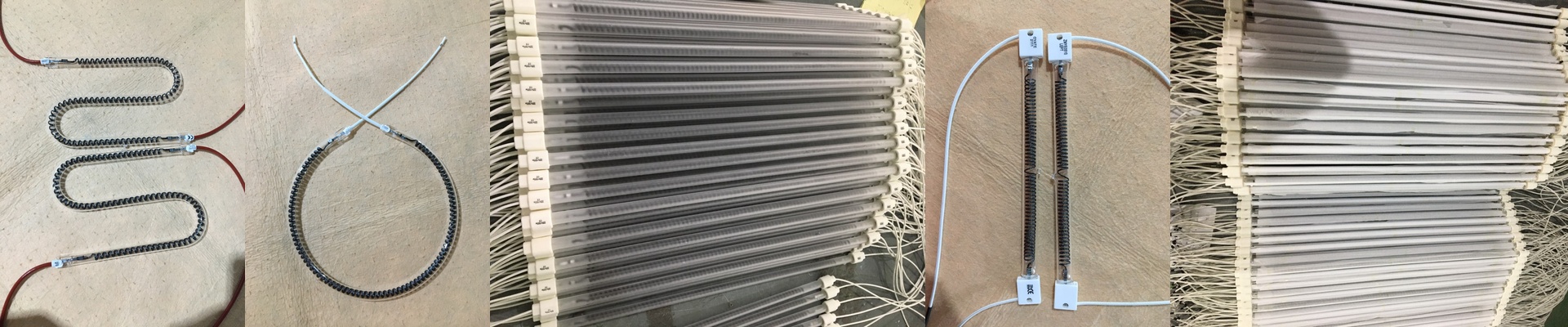
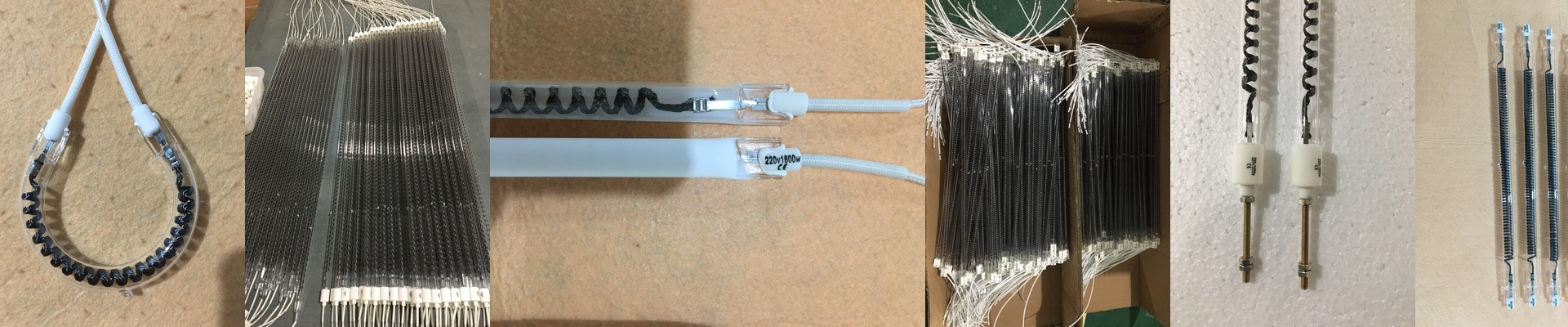
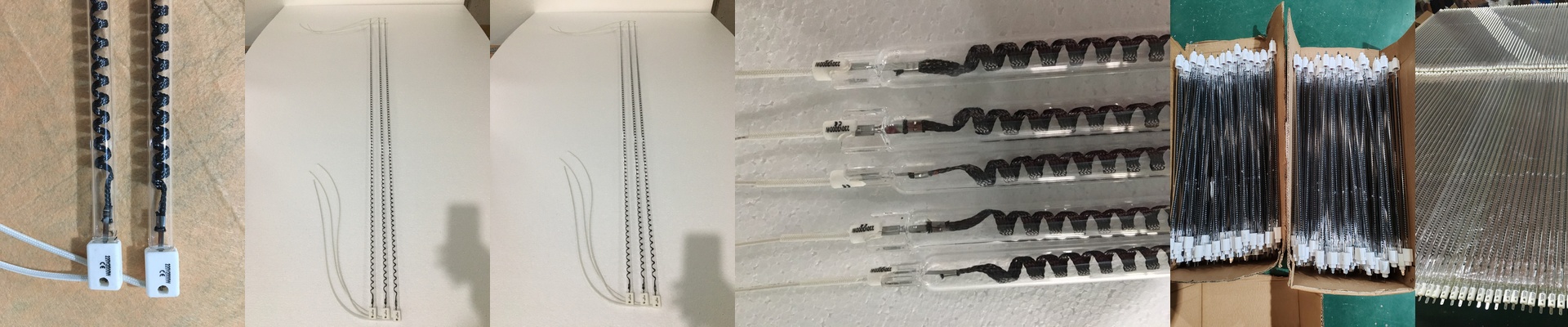
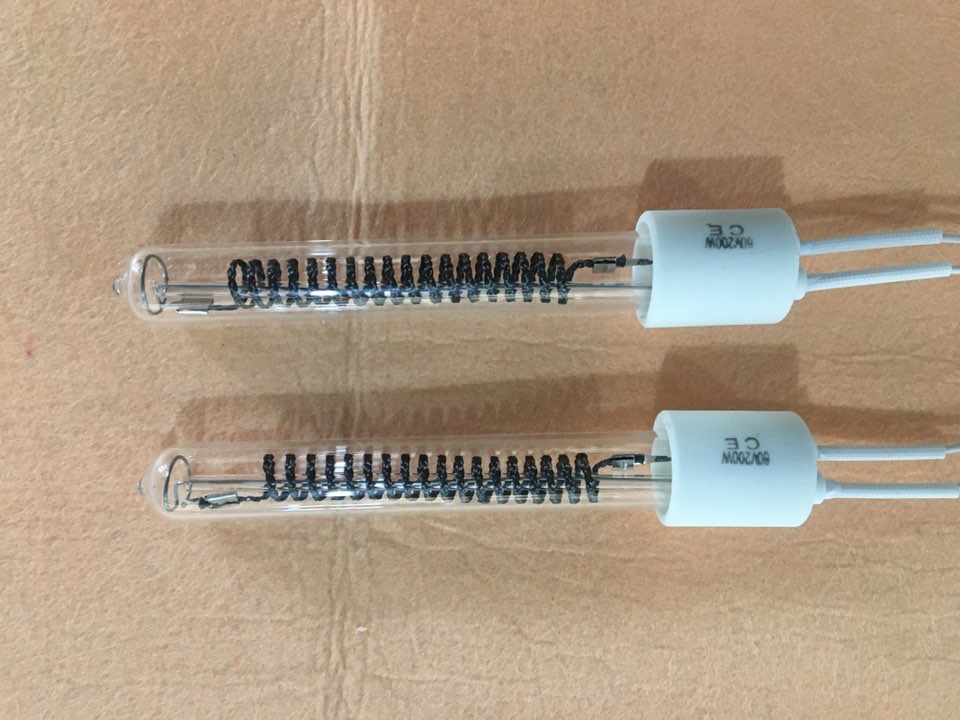
Here is the deal with carbon heating lamps: you’ve got a carbon-fiber filament tucked inside a quartz tube, pumping out short-wave infrared radiation. We build these for the tough jobs—the kind of setups where you can’t afford to sit around waiting for things to warm up. You need heat, and you need itnow.
Getting the Power Right
When you’re picking your lamp, it really comes down to the balance between voltage and wattage. Think of it as your “heat punch.” If you go with a high-voltage tube, you’re packing more heat into every millimeter. We offer a bunch of different lengths and wattages because every project is different. A higher wattage lamp will hit your target temperature in a blink, but it’s a bit of a beast on your power supply. Just a heads-up: make sure your transformers can handle that initial surge when the lamps kick in, or you’re going to have a bad day.
The Nitty-Gritty on Materials
We use high-purity quartz glass to keep that filament safe. It’s tough stuff. It can take a massive thermal shock without cracking. Some of our versions even have special coatings. These help the heat soak into specific plastics more effectively, depending on what you’re actually making. As for the plugs, we stick with standard R7s or Sk15 connectors. They just work. You can swap them into most industrial ovens without any drama. The fit is tight, which is exactly what you want. If the connection is loose, you’ll get arcing, and before you know it, your terminal is burnt to a crisp.
Real-World Use (And the Trade-offs)
If you’re blowing PET bottles or curing paint, these lamps are your best friend. You get instant heat without having to bake the entire oven cavity first. It speeds everything up. But, there’s a catch. Because the heat is so intense, you have to be obsessed with your reflectors. Keep them spotless. If dust or oil builds up on the mirror, you’ll get hot spots. That’s how you end up with warped products or a shattered quartz tube. And one last thing: keep those cooling fans humming. You don’t want your wiring to melt from the ambient heat soak.