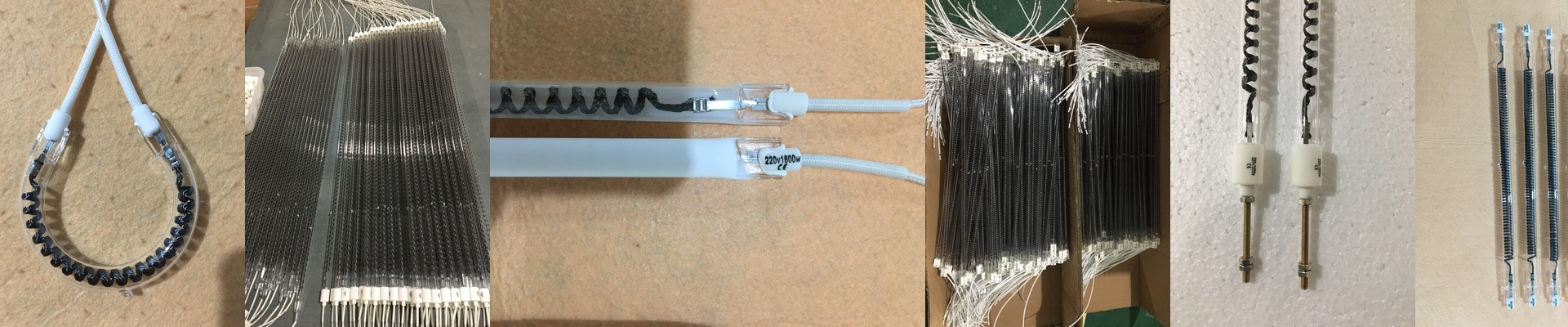
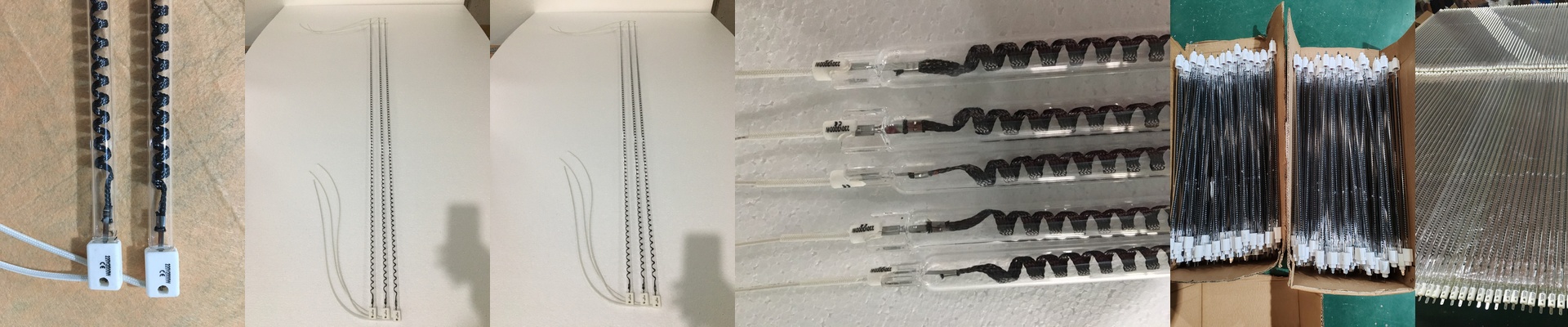
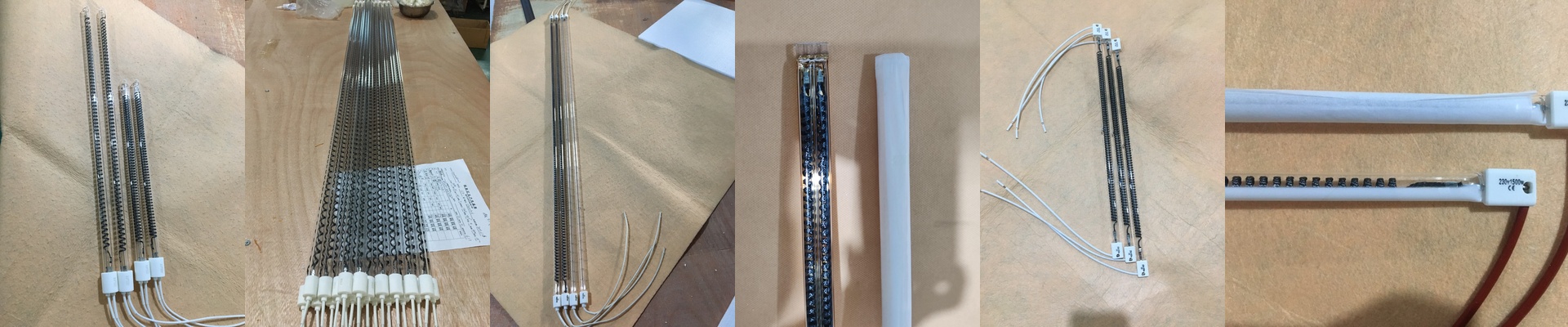
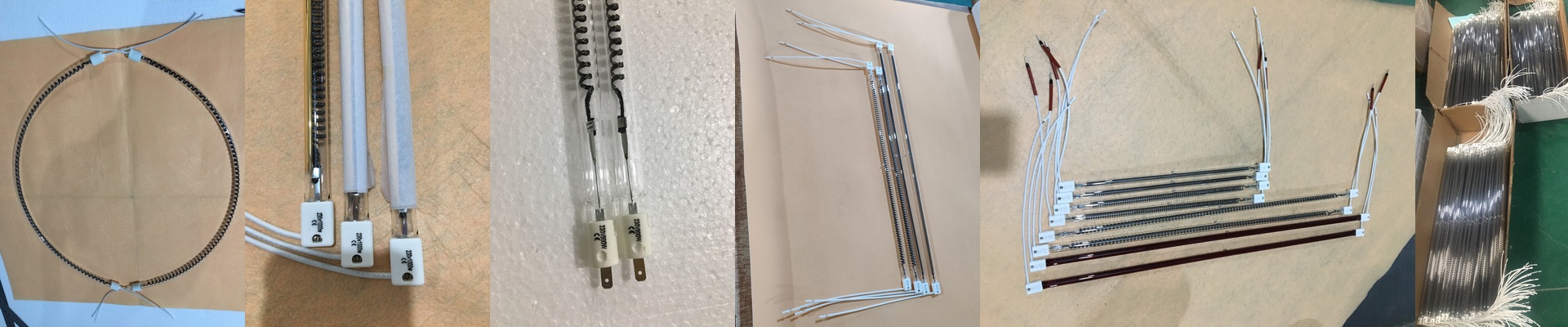
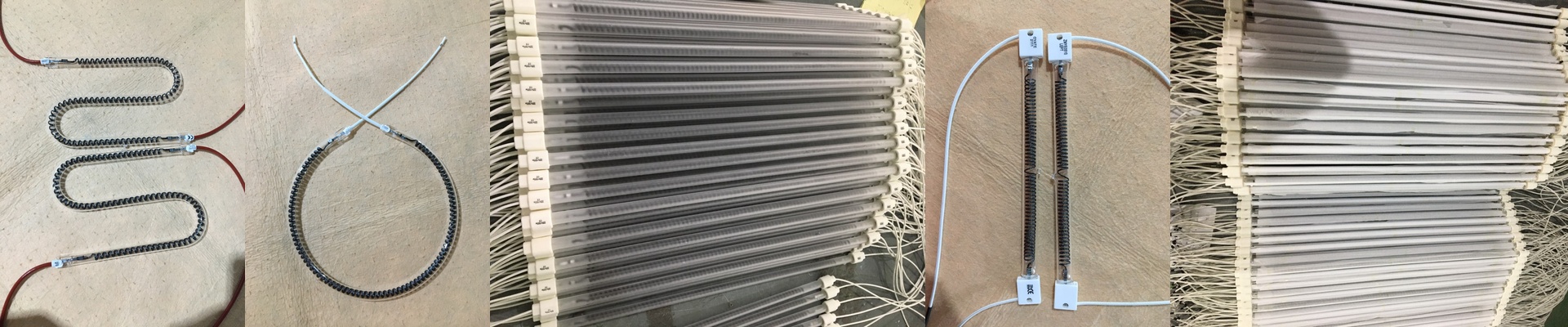
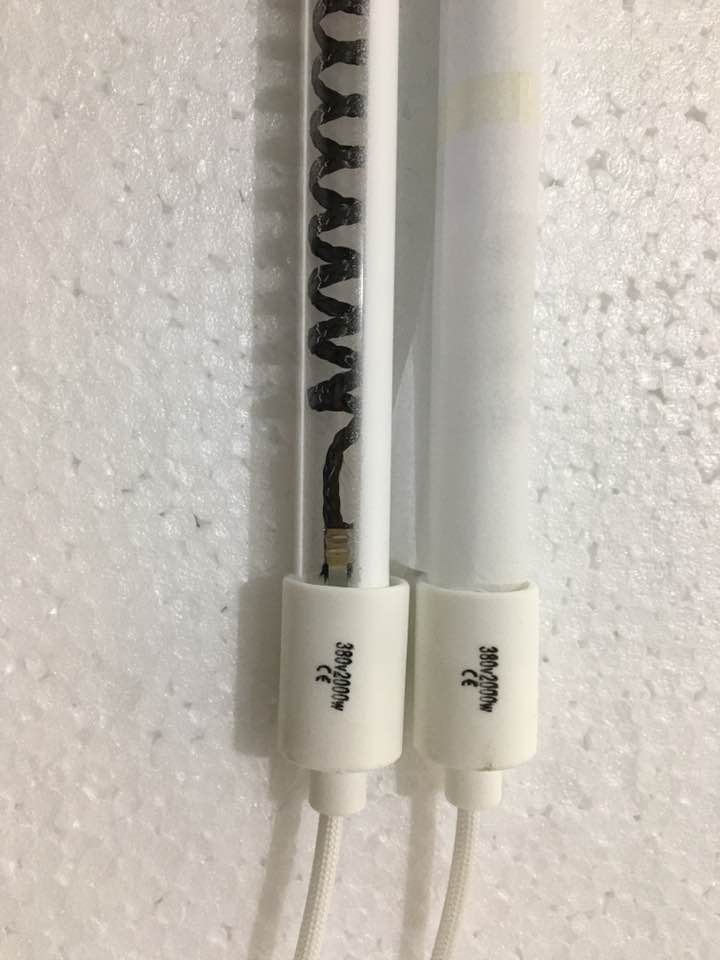
Let’s Talk Twin Carbon Fiber Infrared Lamps
Imagine a standard heating tube. Now, imagine putting two heating elements side-by-side inside a single quartz envelope. That’s basically what we’ve done here. The goal is simple: get heat moving faster. By doubling up the emitters, you don’t get those annoying “cold spots” you usually find at the ends of a single tube. Instead, you get a nice, even blanket of heat across your target. The Power Side of Things These lamps aren’t for light work. They pull a lot of wattage to hit those high temperatures needed for rapid curing or pre-heating. Here is the real win: because you’re getting more heat per millimeter, you can actually shrink your heating zone or shorten your conveyor belt. It saves space. Just a heads-up, though—make sure your power supply can handle that initial surge when you flip the switch. If your voltage is jumping around, you’re going to burn through those filaments way faster than you should. What’s Under the Hood? We went with carbon fiber for the elements. Why? Because it handles the stress of expanding and contracting from heat much better than tungsten. We wrap that in quartz glass because it lets the infrared radiation pass through without fighting it. Plus, we keep the connectors standard. We know you don’t want a project; you just want a part that drops right into your existing rig and works. Real-World Use You’ll usually see these in PET blowing machines or high-speed drying lines. In those setups, waiting for a massive hunk of metal to warm up is a total bottleneck. These lamps respond almost instantly, so you can tweak your temperatures on the fly. But, there’s a catch. All that concentrated heat puts a lot of pressure on the glass. If your cooling fans quit or your reflectors get coated in grime, the glass can overheat and crack. It’s a pain. Keep those reflectors polished. It keeps the system efficient and, more importantly, keeps the tube from hitting a breaking point.