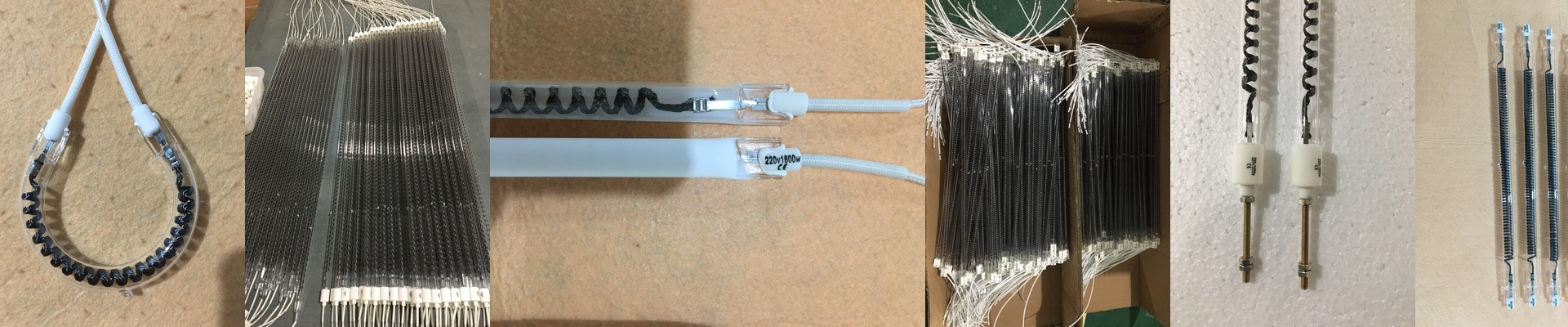
Let’s Talk carbon Fibre Infrared Lamps
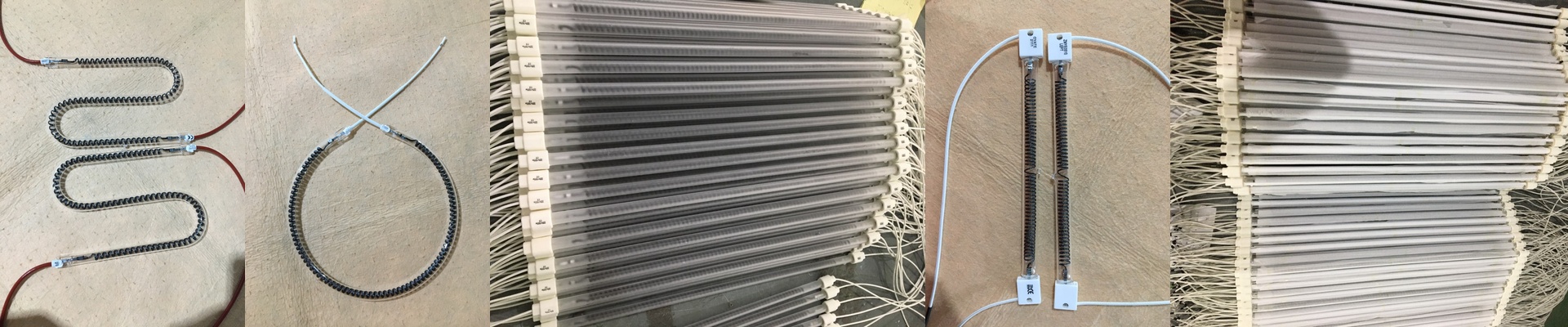
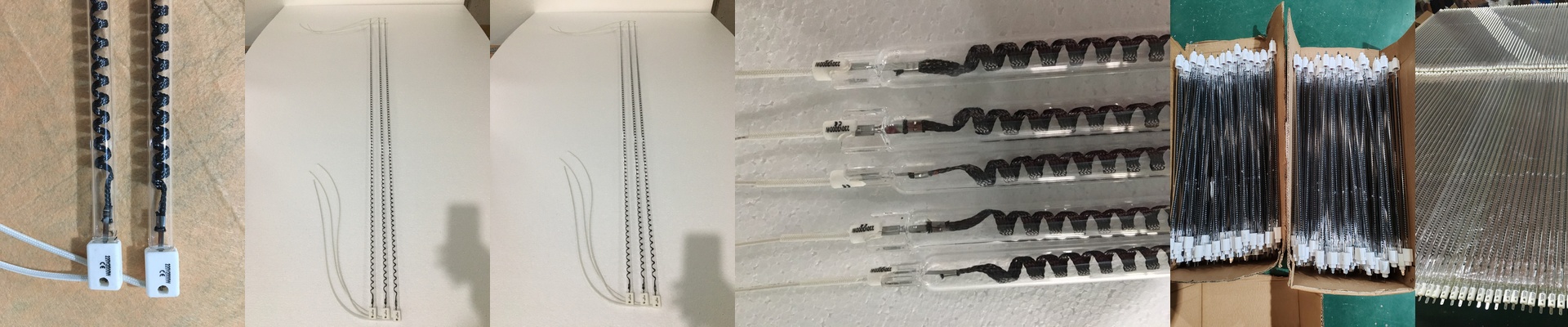
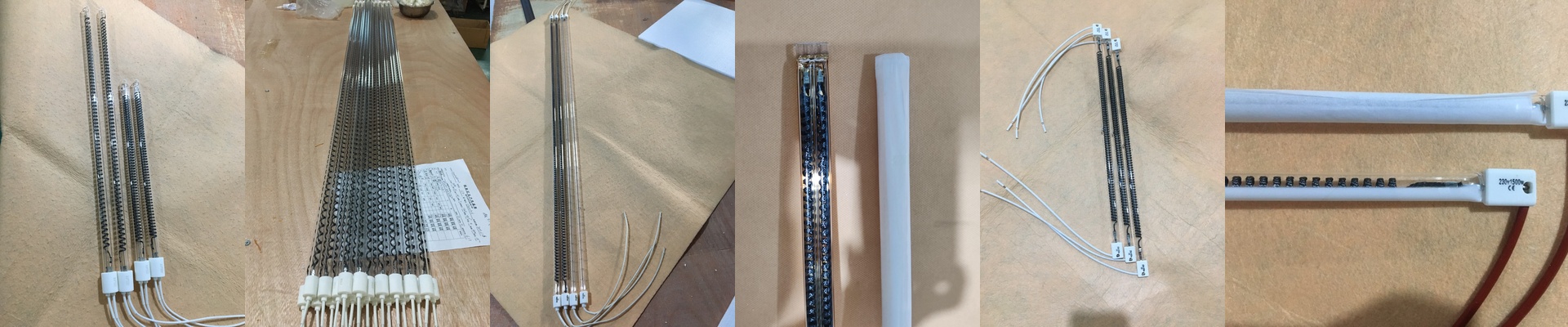
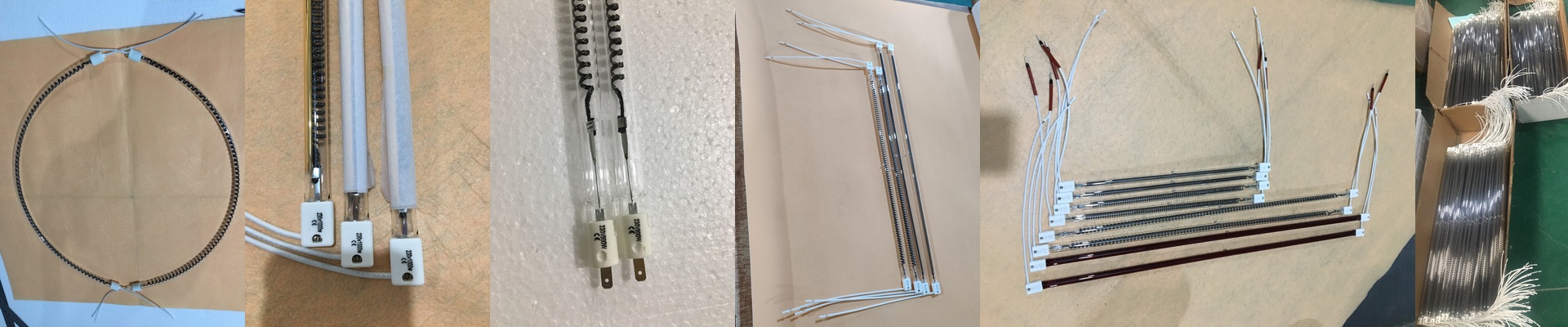
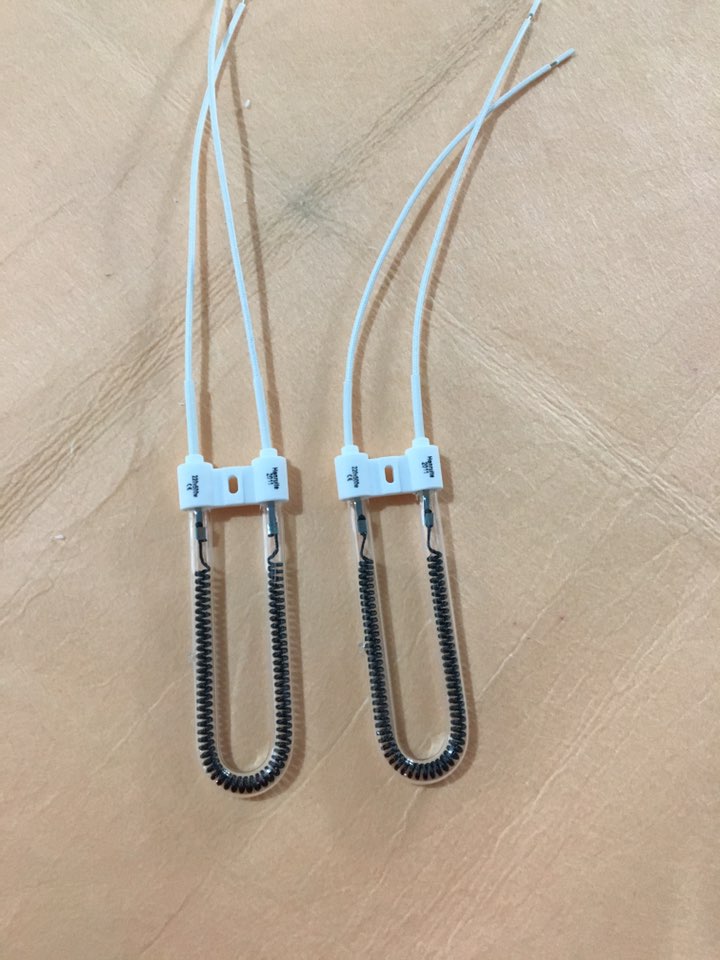
Here is the deal with carbon fibre heating lamps: they basically push current through a carbon filament tucked inside a quartz tube. If you’ve used standard metal coils, you know they can be hit-or-miss. These are different. The heat spreads evenly across the whole tube, which is exactly what you want when you need things to get hot—and get hot fast. The Power Stuff You’ve got to be careful with your voltage and wattage. It’s a balancing act. Switching from 230V to 400V isn’t just a number change; it completely shifts how the filament behaves and how much current you’re pulling. High-wattage tubes are great for quick cycles, but please, check your wiring first. If you slap a 2500W lamp onto a circuit that can’t handle the amperage, you’re looking at tripped breakers or, worse, melted insulation. Not a great way to start the day. What They’re Made Of We use quartz glass because it lets shortwave infrared radiation fly right through without getting trapped. Sometimes we add a coating to tweak the heat spectrum or keep the filament safe from gunk in the air. Then there are the connectors. You’ll usually see R7s or Sk15. R7s is your go-to for a quick swap. But if your machine shakes or vibrates a lot, go with the Sk15. It locks in tight so you aren’t worrying about a loose connection. Real-World Use (And the Risks) These things are absolute workhorses. Whether you’re blowing PET bottles, curing paint, or welding plastic, they hit your target temp in seconds. It’s impressive. But here’s the catch: they getscary hot. The glass can burn you instantly or even set fire to nearby debris if you aren’t careful. You need real guarding around your machine. One last tip: don’t try to “cheat” the system. I know it’s tempting to crank up the voltage to get more heat, but you’ll just fry the filament. Carbon is tougher than tungsten, sure, but it still has a limit. Treat it right, and it’ll last.