Getting Your Heat Right: Infrared for Electronics
Let’s be honest: there’s nothing worse than pulling a PCB off the line only to find a cold solder joint or, even worse, a scorched board. It’s frustrating, it wastes parts, and it kills your timeline. That’s why we build our digital infrared heaters. We wanted to give the smaller shops the same kind of pinpoint thermal control that the giant factories have, without the corporate price tag.
Why the digital stuff actually matters
A cheap heater is basically just a blast of raw energy. It’s blunt. Our setup uses a PID controller to manage the power, which means no more “overshooting” the temperature and frying your sensitive components. It’s all about the nuance. If you need your boards to warm up at exactly 2°C per second, the controller handles the heavy lifting. It modulates the power so your substrate doesn’t warp from a sudden shock of heat. It’s smooth.
The trick to shortwave infrared
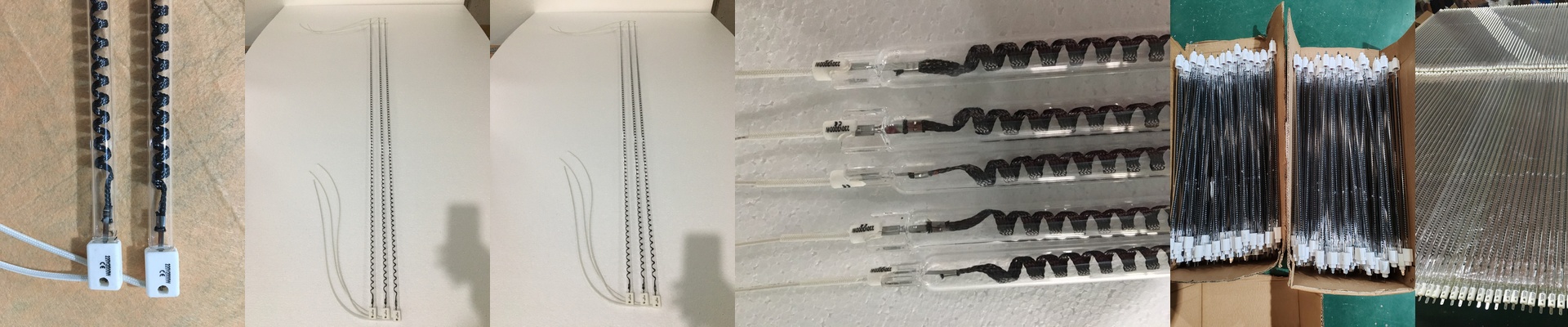
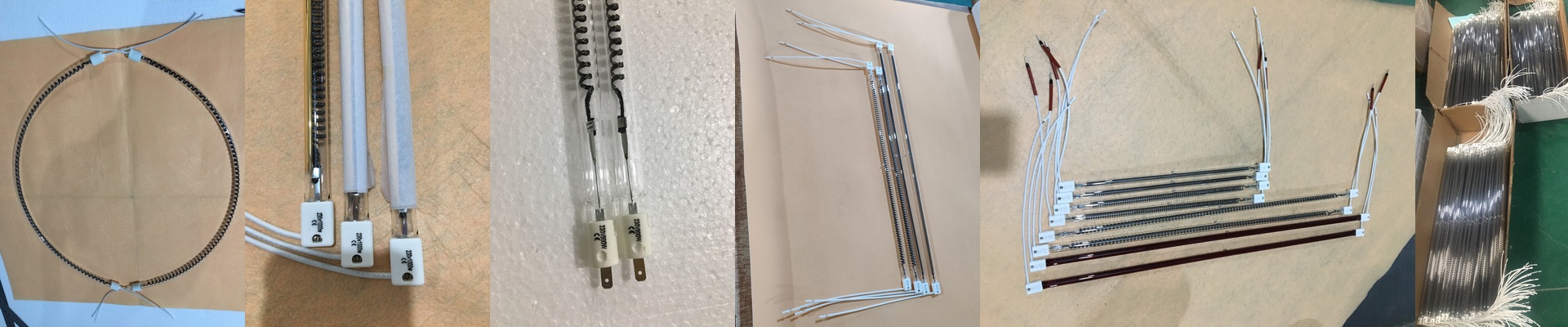
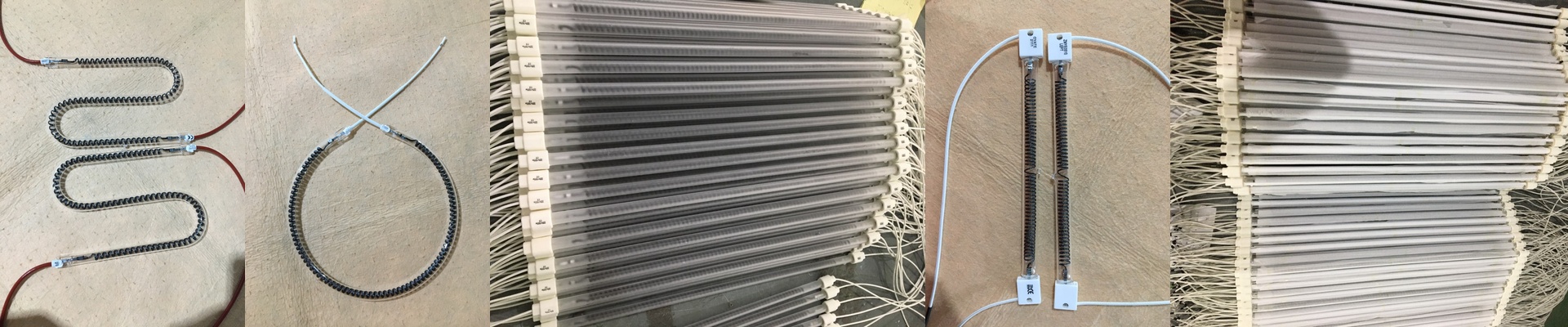
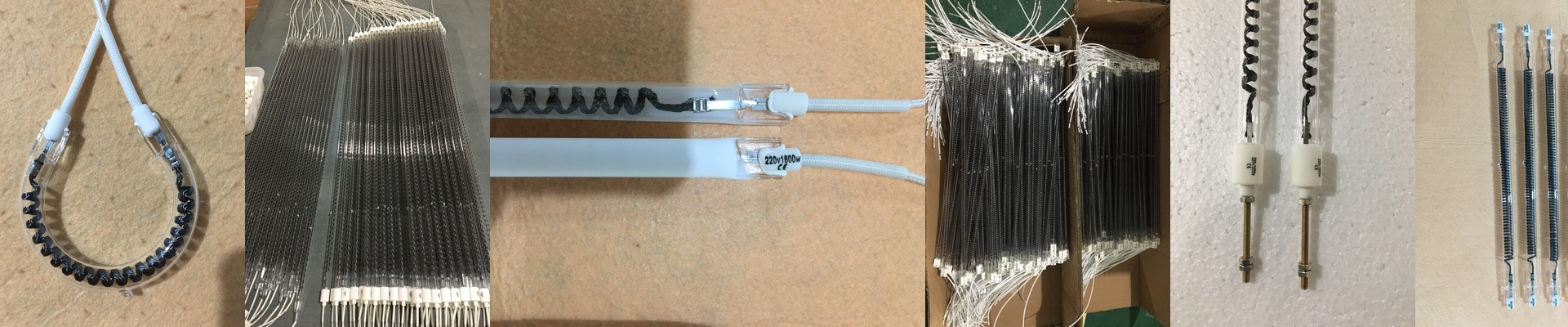
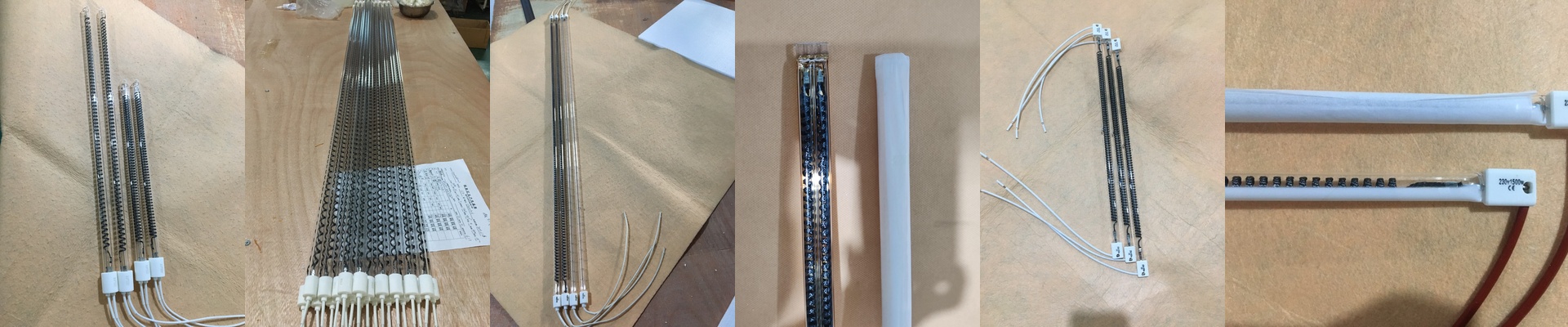
We stick with shortwave infrared lamps. Why? Because they dive deeper into the material and work way faster than longwave options. You spend less time staring at a timer and more time actually shipping product. But there is a catch. High heat density can be a bit of a beast. If you put too much wattage into a tiny area, you’ll get hotspots. You have to find that sweet spot between the lamp’s power and how fast your conveyor is moving. Get it right, and it’s perfect. Get it wrong, and you’ve got a burnt board.
Fitting it into your shop
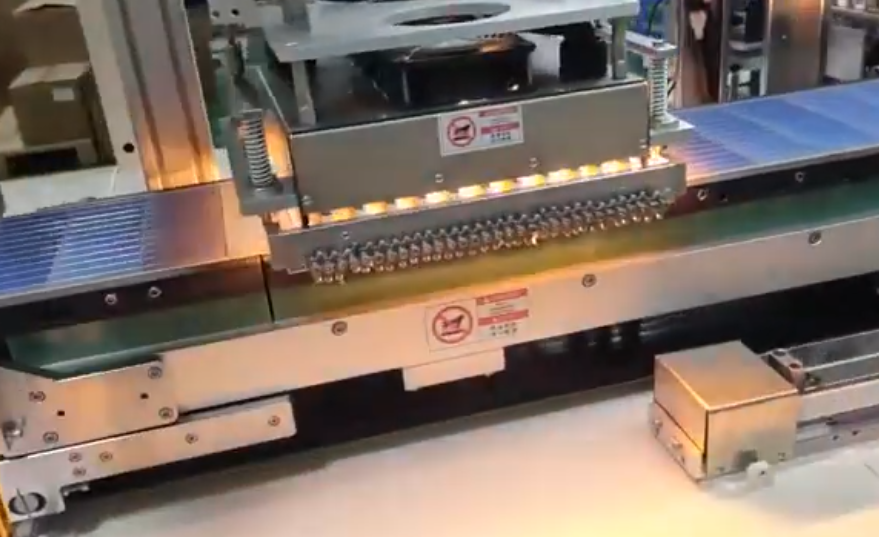
We didn’t want you to have to tear up your floor or rewire your entire shop just to upgrade. These units are built to be drop-in replacements for those old, clunky heating tunnels. They have a small footprint and use standard industrial connectors, so the swap is quick and painless. One heads-up, though. These machines are precise, which means they’re a bit picky about power. If your factory floor has a lot of “electrical noise” or random voltage spikes, it can trip the controller. To keep things running without a random reboot mid-cycle, just plug it into a stabilized line or a solid surge protector. Simple as that.