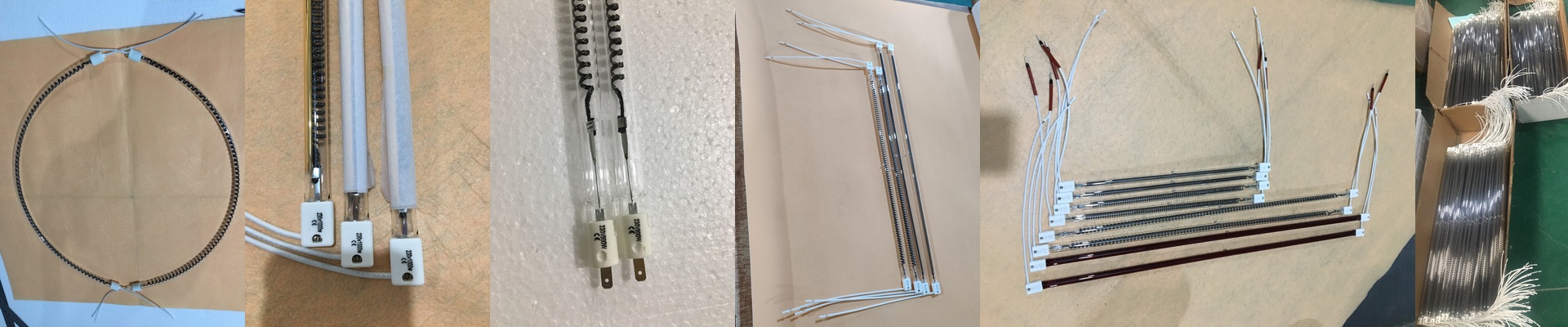
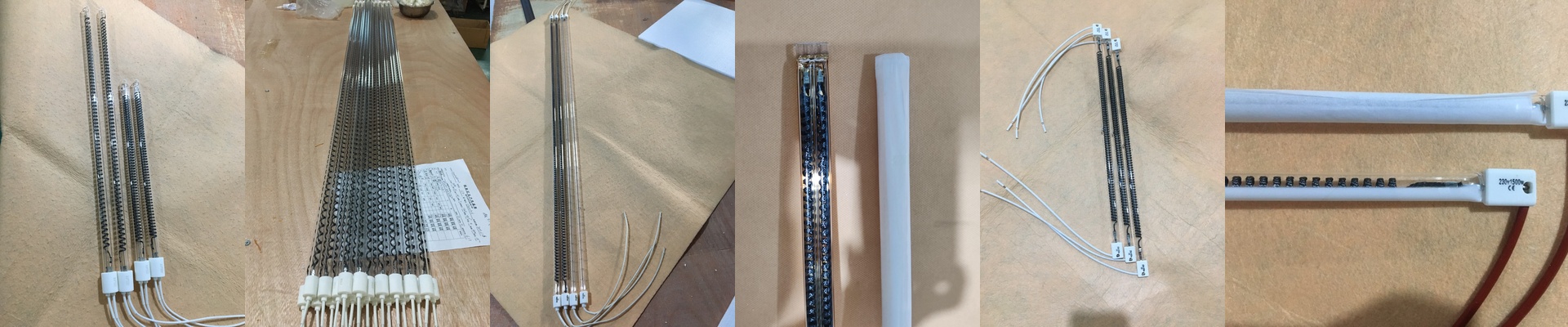
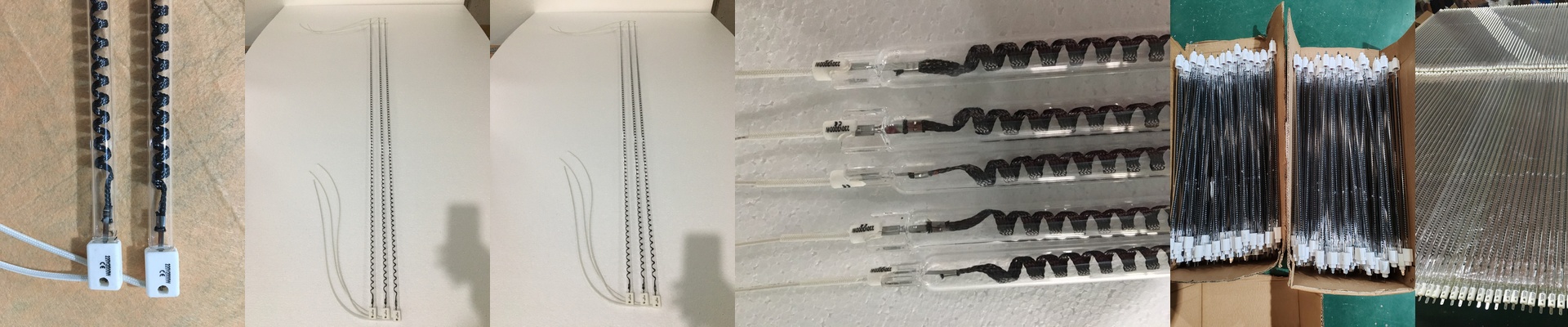
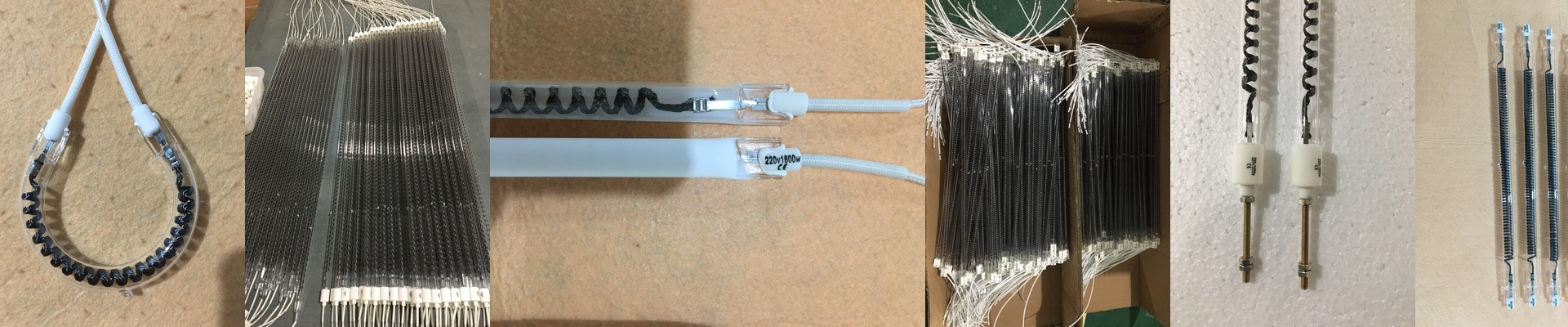
Stop Guessing Why Your Heaters Are Dying
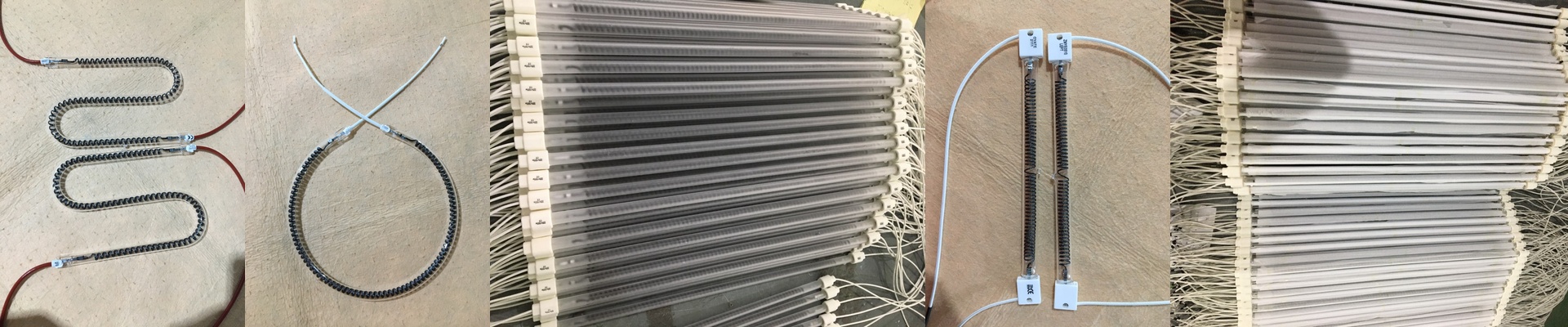
Most of the heating elements we use in repair setups are pretty basic. They just get hot until a thermostat tells them to stop. The problem? When they finally give out, you don’t even know it happened until you realize your workpiece is stone cold. It’s frustrating. You’re left staring at a piece of equipment, wondering if the heater burned out or if the power supply just decided to quit. We’re changing that. We want systems that actually tell you what’s wrong before your whole line grinds to a halt.
How the “Smart” Part Actually Works
Instead of just watching the temperature, we’re keeping an eye on the electrical health of the system. By putting current sensors and impedance tracking right into the circuit, the system can feel a filament starting to degrade or a connection getting loose in real-time. Here’s how it works: we track the voltage drop. If the resistance drifts even a little bit—say, more than 5%—the system pings you with a “maintenance required” alert. No more guessing. No more multimeter probes and prayer. You just know it’s time to swap a part.
The Trade-off (Because Nothing Is Free)
You can’t do this with a cheap relay. To get this level of detail, you need a controller that can sample data fast—think a PID controller paired with an IoT gateway. But let’s be honest about the downside. You’re adding more electronics to the mix, which means more things that could potentially break on the control board. You’re swapping a simple, “bulletproof” heating coil for a smarter system that needs firmware updates. And yeah, there’s a catch: if a sensor glitches, the system might shut the heater down for safety, even if the actual heating element is perfectly fine. It’s a bit of a gamble between simplicity and intelligence.
Putting It Into Practice
When you wire these into your station through a central hub, you start getting a history book of every thermal cycle. When something finally breaks, you don’t just see a failure; you see the data. You can look back at the ramp-up speed and the peak temps right before the crash. That’s the real gold mine. It tells us exactly where the standard alloys are failing, so we can switch to high-temp ceramics in the spots where the heat is just too aggressive for normal wires.