Getting the Heat Right for Quantum Chips
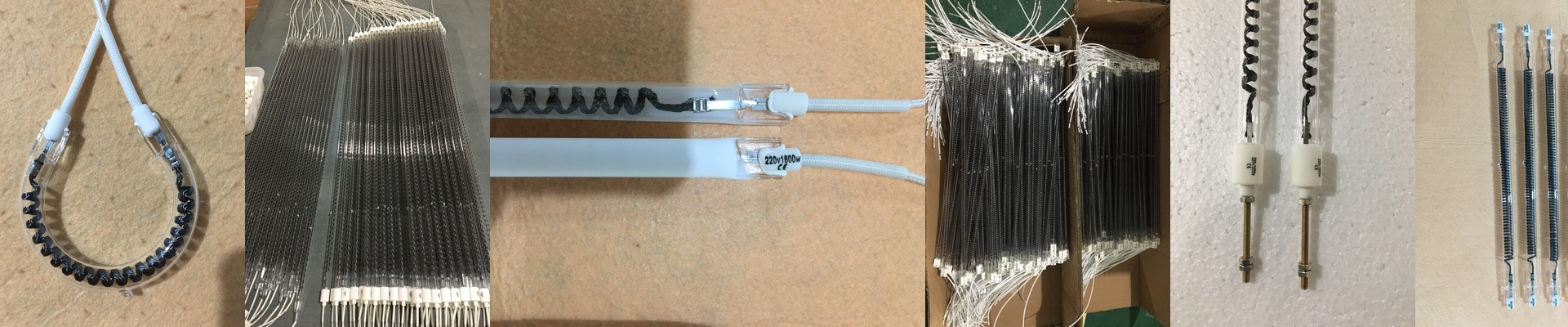
When you’re building quantum chips, “close enough” doesn’t cut it. The thermal tolerances are way tighter than what you’d deal with in standard electronics. To bridge that gap, we use shortwave infrared (IR) heating lamps. It’s the only way to get the kind of precision these substrates actually need.
How the “Heat Bridge” Actually Works
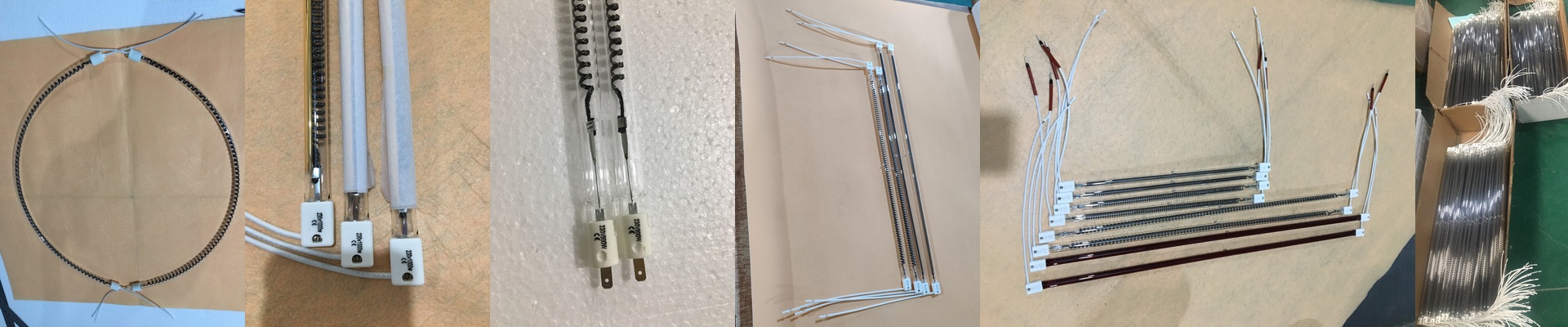
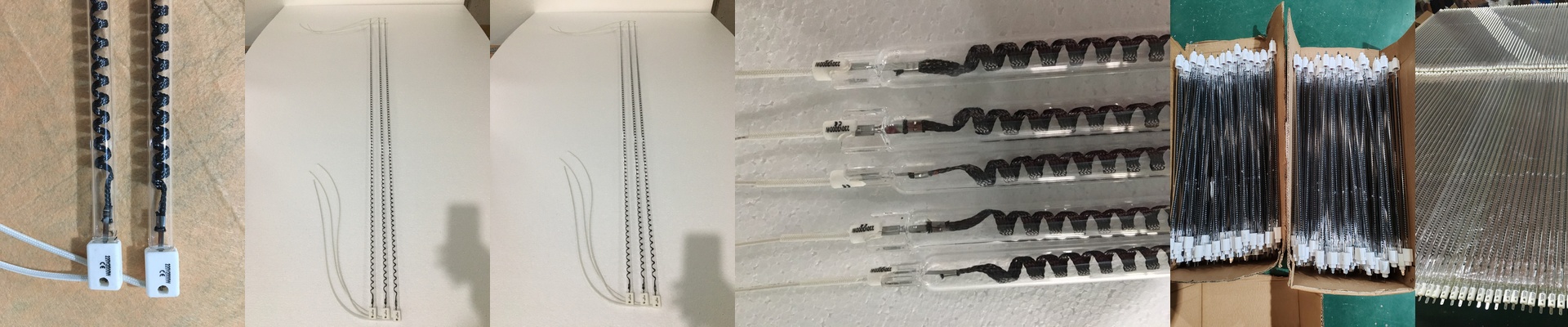
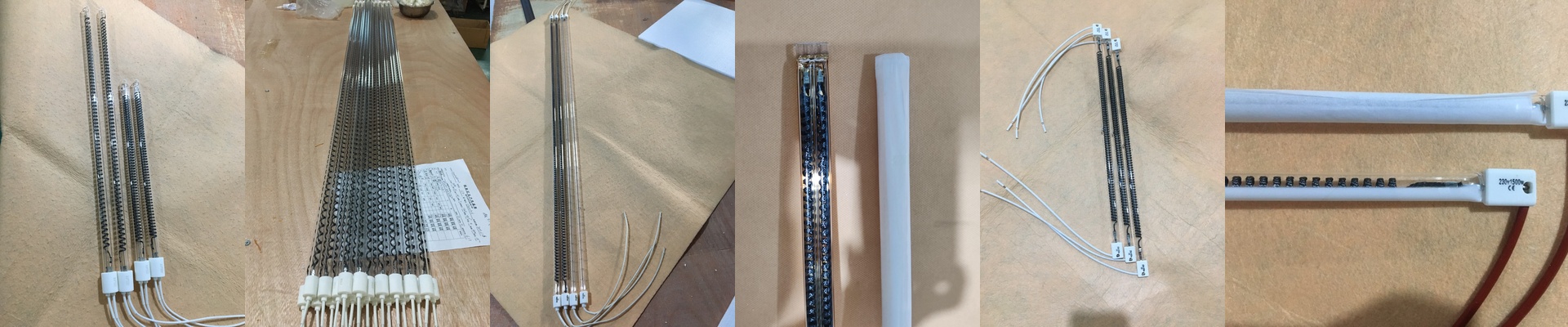
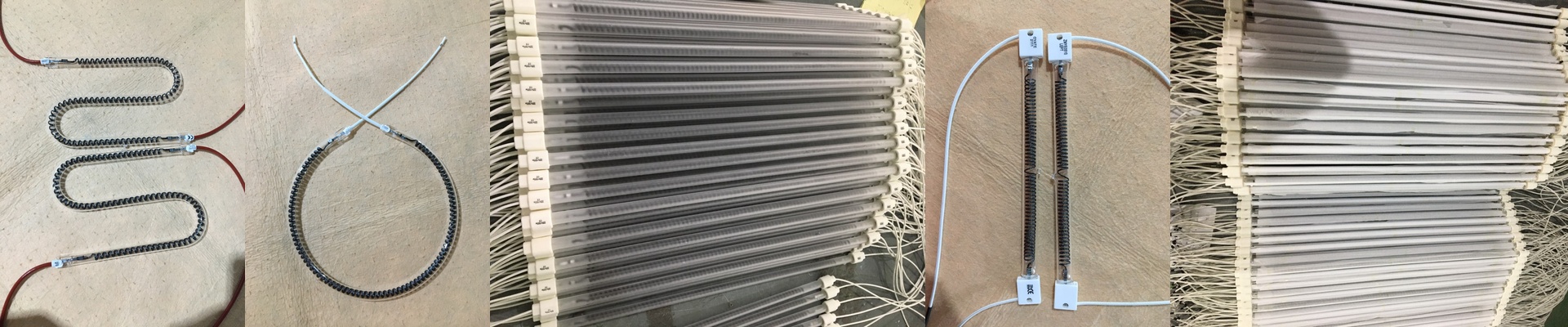
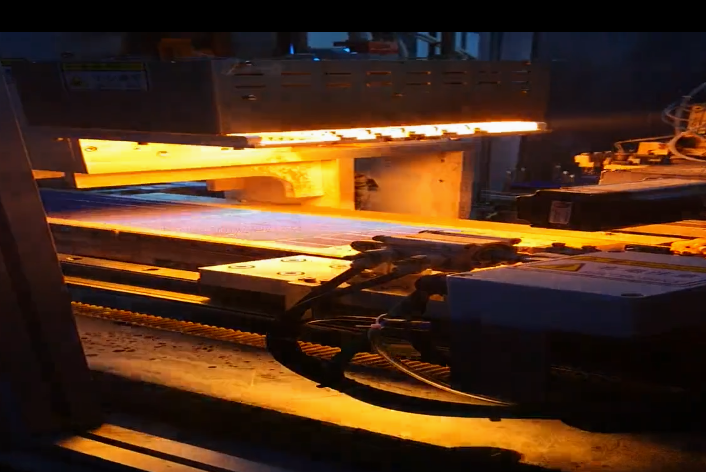
Here’s the thing: if you try to heat a PCB using traditional methods, you often end up soaking the entire chassis in heat. That’s a mess. Instead, we use high-intensity halogen emitters. These lamps turn electricity into shortwave radiation that hits the board surface directly. It’s not like a convection oven where you’re heating the air; it’s a direct strike.**It’s fast. Really fast.**You can ramp up your temperatures in a matter of seconds. We’re also very picky about the quartz envelopes on these lamps. We make sure the spectral output matches exactly how the PCB materials absorb heat. If that wavelength is even slightly off, you’re just wasting power and risking a meltdown of the surrounding components.
The Trade-offs (Because there’s always a catch)
To keep things simple, we use standard connectors like R7s or Sk15. That means they’re basically drop-in replacements for existing lines, which makes the wiring a breeze. But there is a catch. Because we’re pushing so much wattage for that rapid heat, you have to keep a very close eye on your current draw. Plus, when you pack a high-density IR array into a small footprint, you’re dealing with a massive amount of thermal energy. You can’t just ignore the housing. If your cooling system isn’t up to the task, your ambient temperature will climb, your sensors will start to drift, and your quantum chip’s calibration is toast.
From Smart Meters to Quantum Tech
We’ve used these lamps for years in smart meter production for things like curing and solder reflow. But in the quantum world, the goal shifts. Now, it’s all about substrate stabilization. We use PWM (Pulse Width Modulation) to dial in the power and keep everything in a steady state. This stops the board from warping. The result? A flat, stable surface that’s actually ready for the next layer of fabrication.