Why Your IR Lamps Keep Burning Out (and How to Stop It)
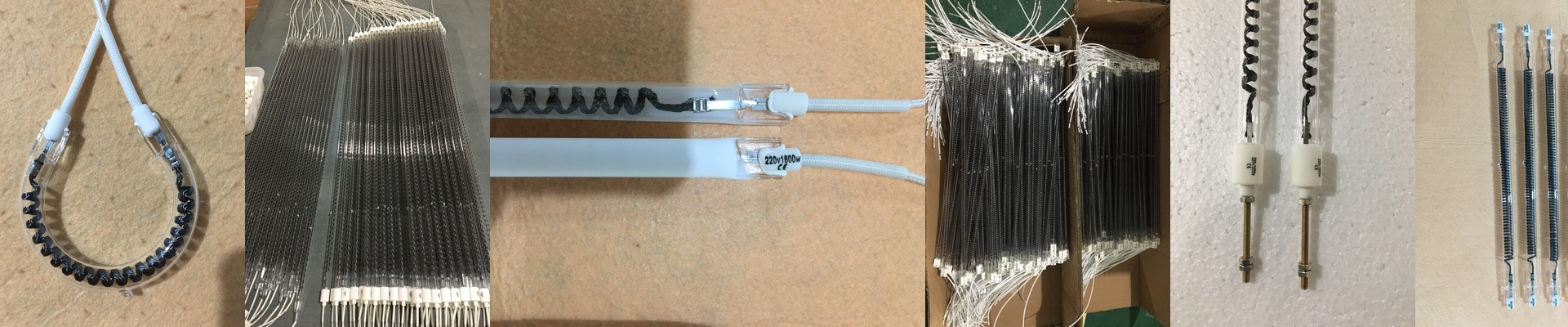
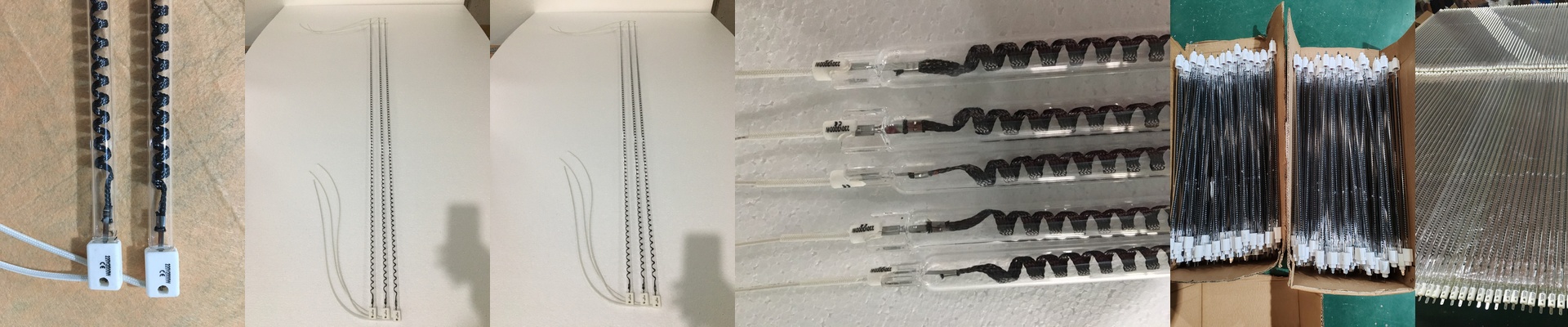
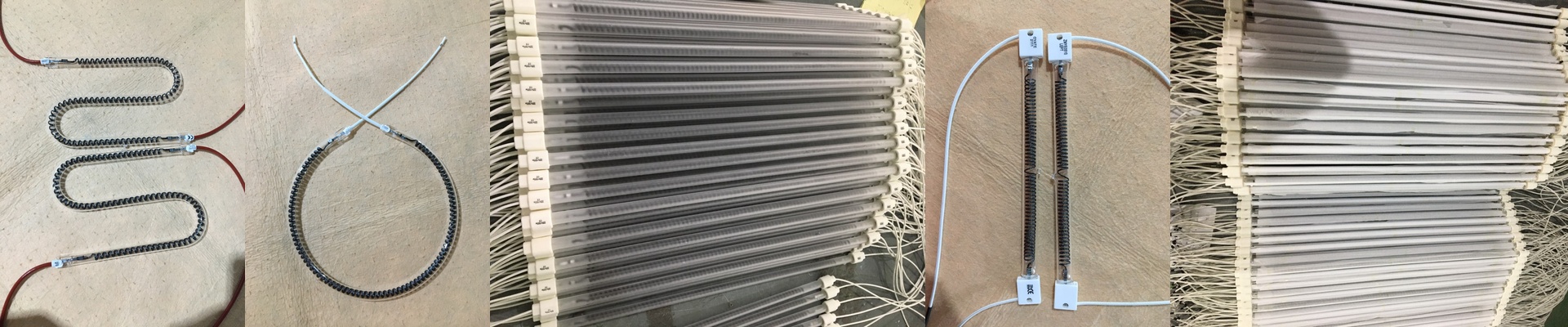
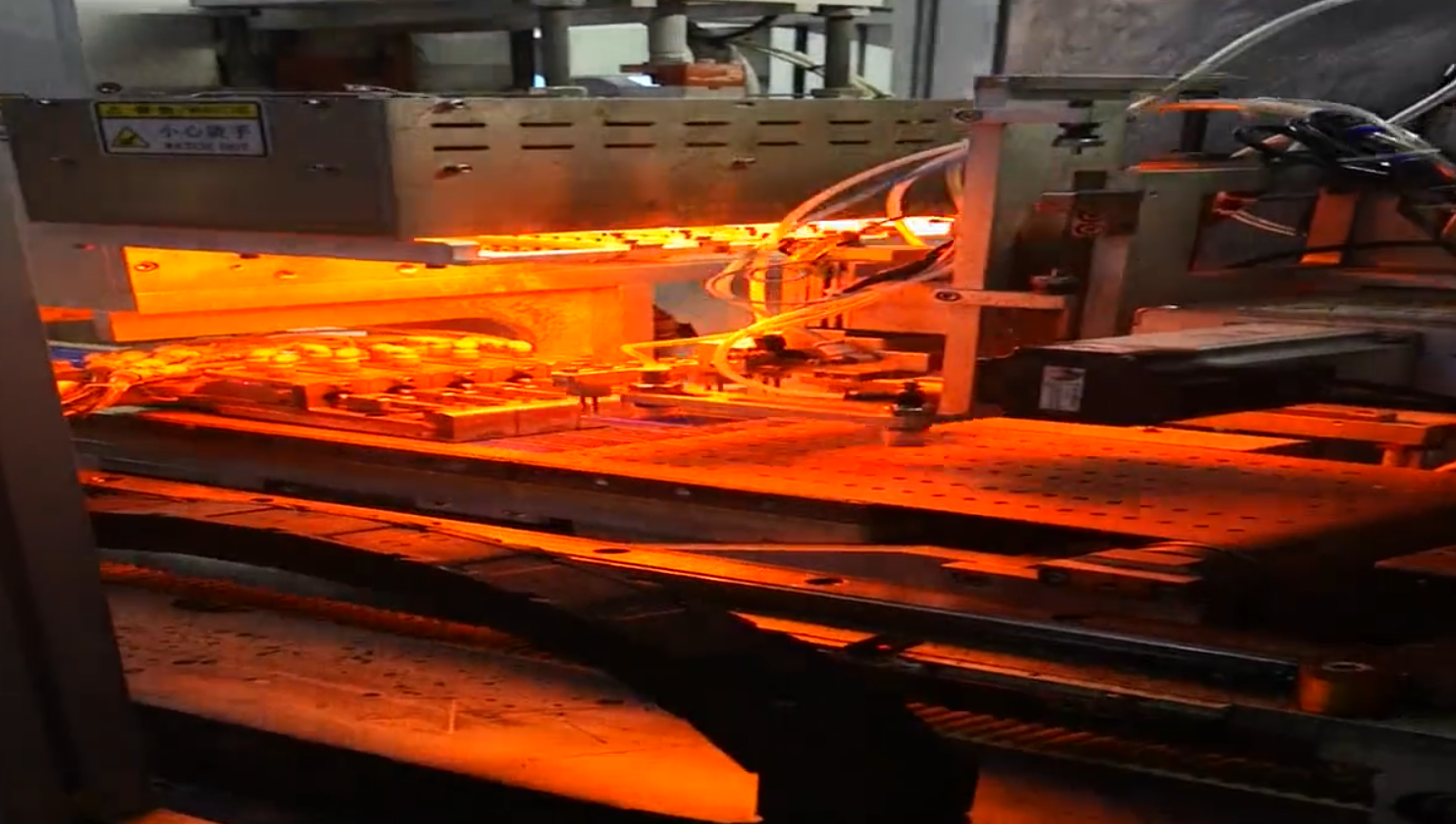
If you’re repairing smart locks, you know the drill. You’re using rapid pulse heating, which basically means your IR lamps are flashing on and off thousands of times. It sounds simple, but it’s brutal on the hardware. Think of it as a constant shock to the system. All that rapid heating and cooling puts a massive amount of stress on the filament and the parts holding it in place. If those supports aren’t up to the task, the filament starts to sag. And the second it touches the quartz envelope?**Pop.**Lamp’s gone.
The Tug-of-War Inside the Tube
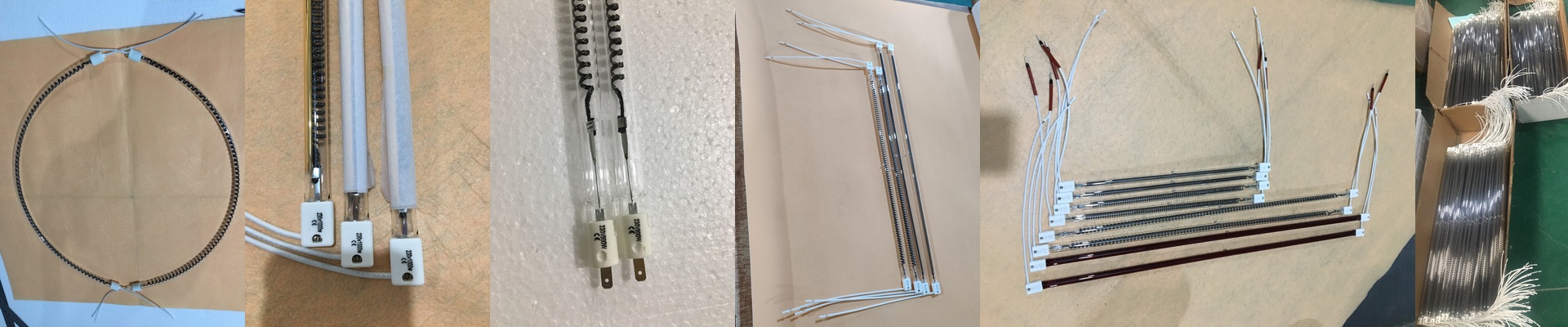
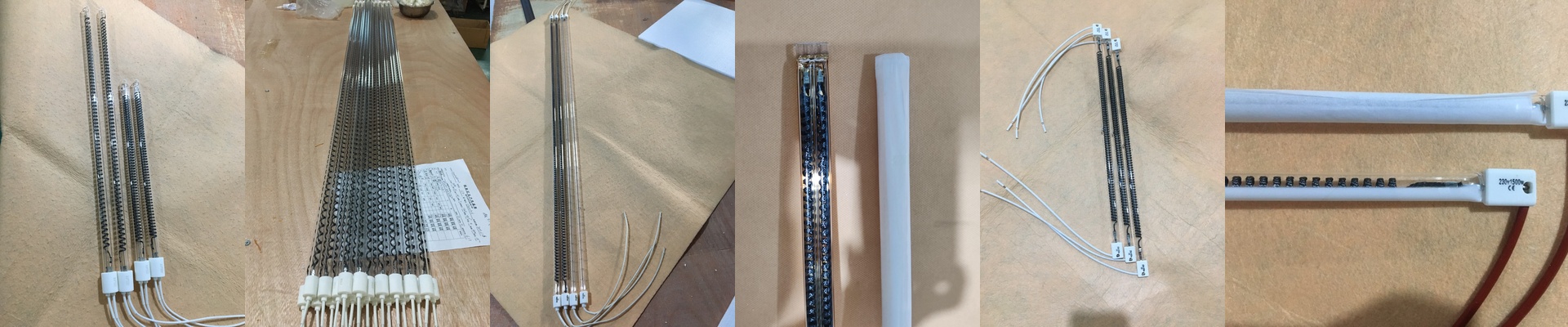
Here’s the thing: every time that lamp flashes, the tungsten filament expands and then snaps back. It’s like a mechanical tug-of-war happening at the anchor points, over and over again. To keep the lamp from warping after a few thousand cycles, we use a specific alloy for the supports. We chose this because it expands and contracts at the same rate as the quartz. They move together, so nothing gets pulled out of place. We don’t just guess if this works. We put the lamps through a “torture test”—over 20,000 rapid-fire pulses—just to see where things start to crack. If a bracket isn’t rigid enough, the filament drifts. Even a tiny shift—we’re talking a fraction of a millimeter—messes up the heat distribution and kills the tube.
The Balancing Act: Speed vs. Lifespan
It’s tempting to crank up the wattage to get those heat-up times down. I get it. Faster is better, right? But there’s a catch. Pushing too much power spikes the filament temperature, which makes the tungsten brittle. You’ll get your repairs done faster, sure, but you’ll be spending a lot more time swapping out dead lamps. The trick is to find a sweet spot between your pulse frequency and your cooling window. Give the lamps a moment to breathe. And one last tip: check your mounting brackets. Make sure they’re locked down tight. Any vibration in the machine chassis just adds to that thermal fatigue, and that’s usually the tipping point for a premature failure.