Getting Your Industrial Prints to Dry Faster (and Better)
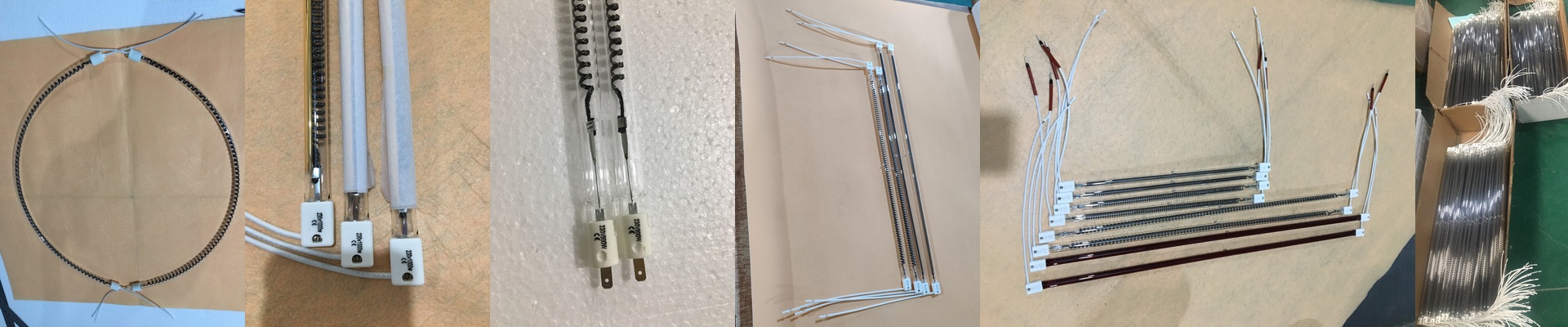
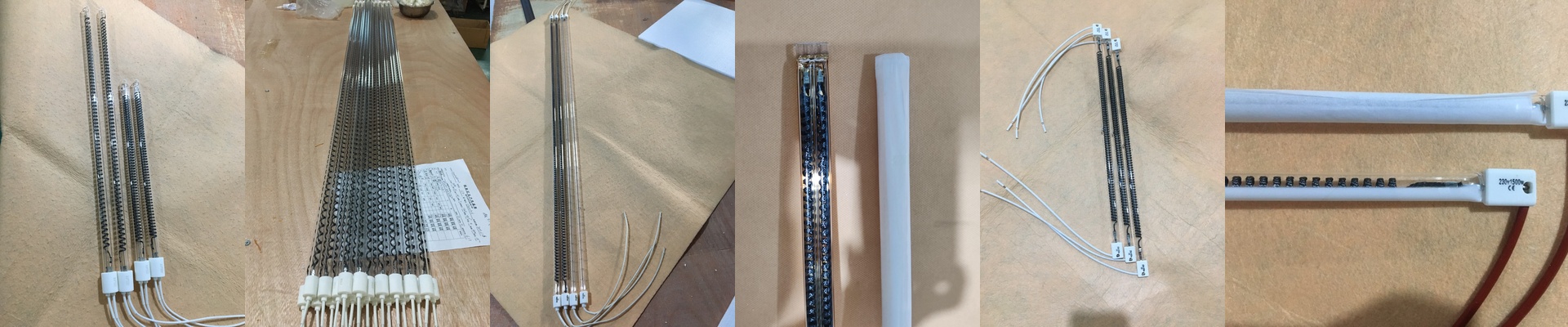
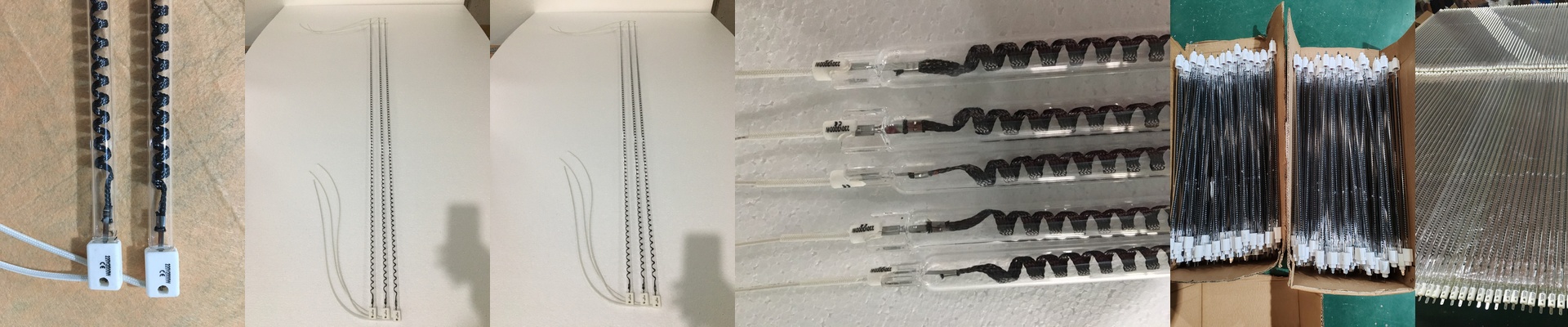
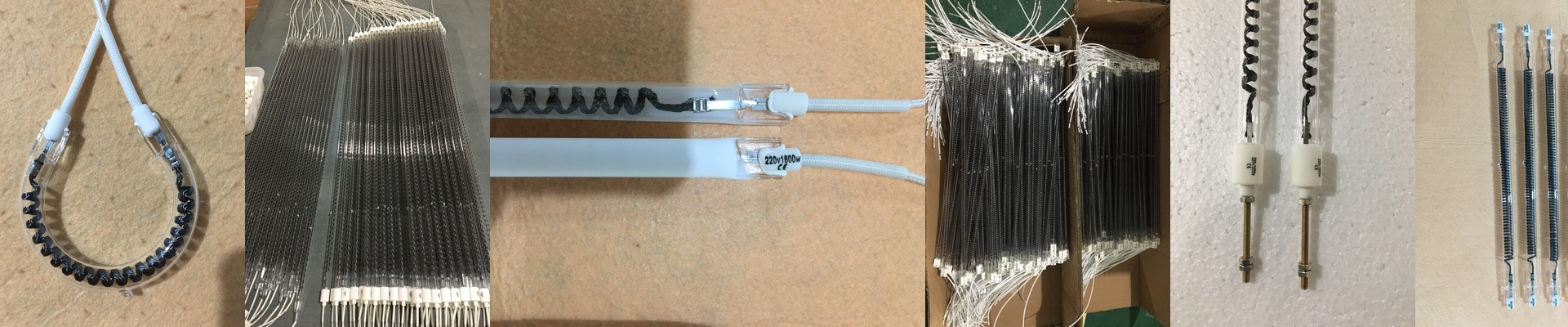
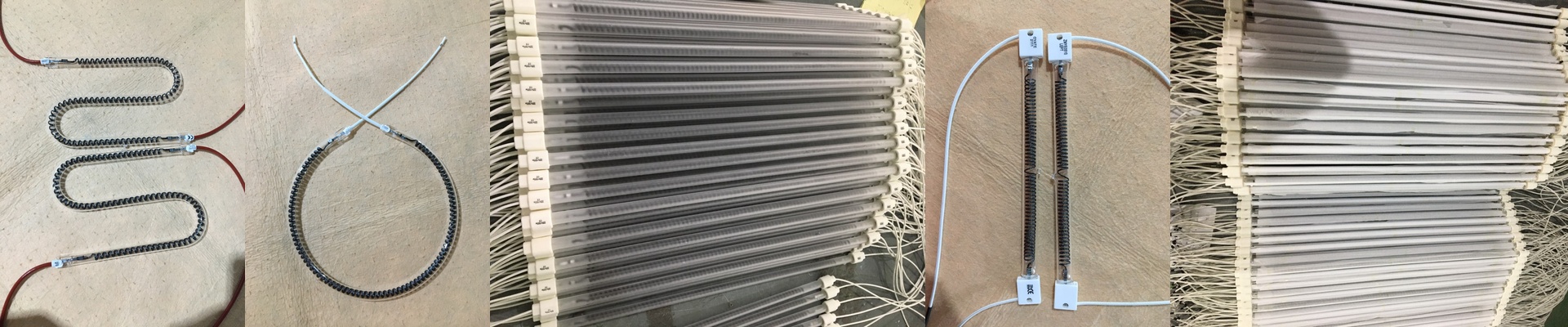
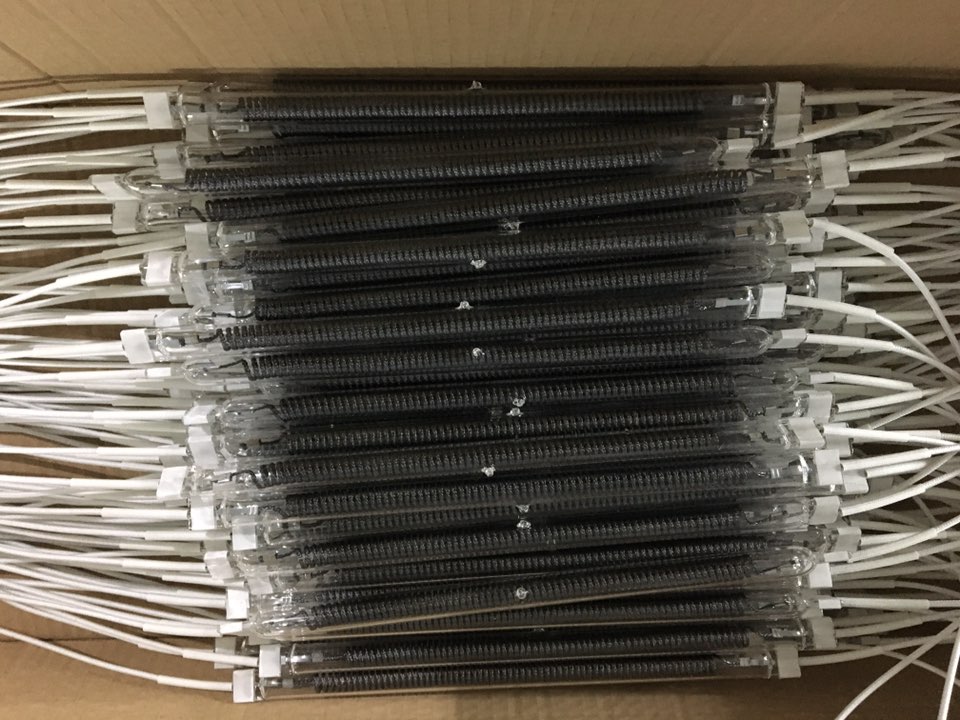
Let’s talk about the drying and curing stage. If you’re running an industrial printing line, you know it’s often the biggest bottleneck. That’s why we built our carbon fiber IR lamps. Unlike those old quartz heaters that just blast heat everywhere, these focus the energy right where it needs to be: the substrate. Depending on how thick your ink is or how fast you’re pushing your line, you can grab either the 1200W or the 1600W version. Which one do you actually need? It mostly comes down to how much “oomph” you need per second. If you go with the 1600W lamp, you’re pushing way more energy into the ink. This is great because it means you can crank up the conveyor belt speed without worrying about prints coming out tacky or under-cured. Just a heads-up: double-check your wiring and power supply first. You don’t want to be the person who trips the breakers or fries a contact because the peak current was too high for the old cables. Why carbon fiber? Here’s the thing about carbon fiber—it’s just tougher. We wrap the filament in a quartz envelope, and it handles the constant vibration of a printing press much better than tungsten. It doesn’t just snap. Plus, it heats up almost instantly. No more wasting electricity while the machine is idling and waiting to get up to temperature. You flip the switch, and it’s ready to work. Fitting them into your line We designed these to be simple drop-in replacements. If you’ve got an aging IR array in a wide-format or offset press, these should slide right into your existing brackets. No need to rebuild the whole rig. But, you’ve got to keep them clean. Seriously. If ink splatters or dust builds up on the glass, you’ll get hot spots. Those hot spots are killers—they’ll burn out the tube way faster than they should. And if you’re squeezing a 1600W lamp into a tight space, keep an eye on your airflow. That much heat in a small box can bake your other components if you aren’t venting it properly.