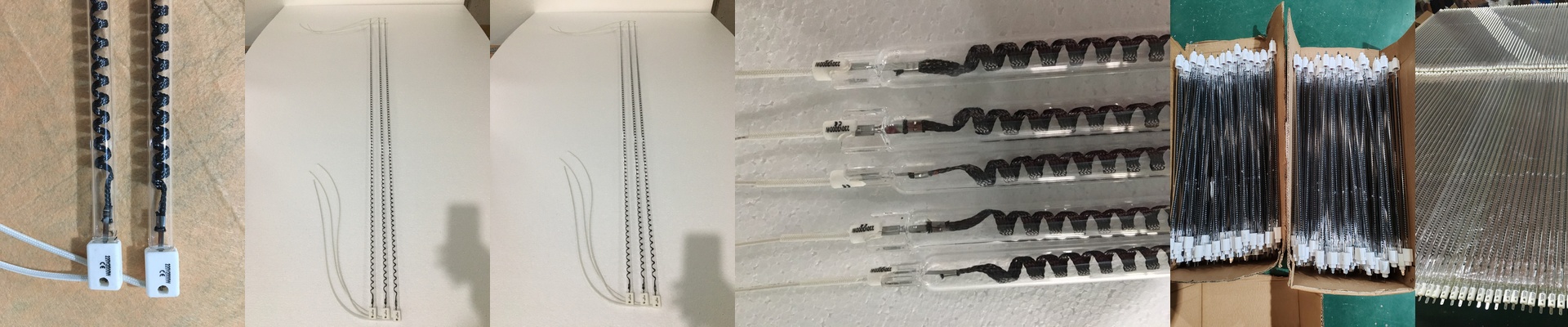
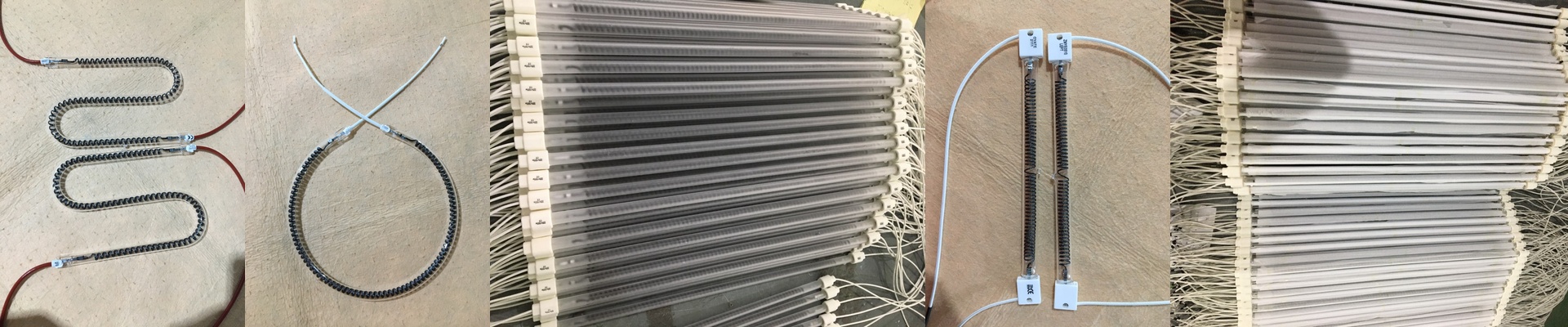
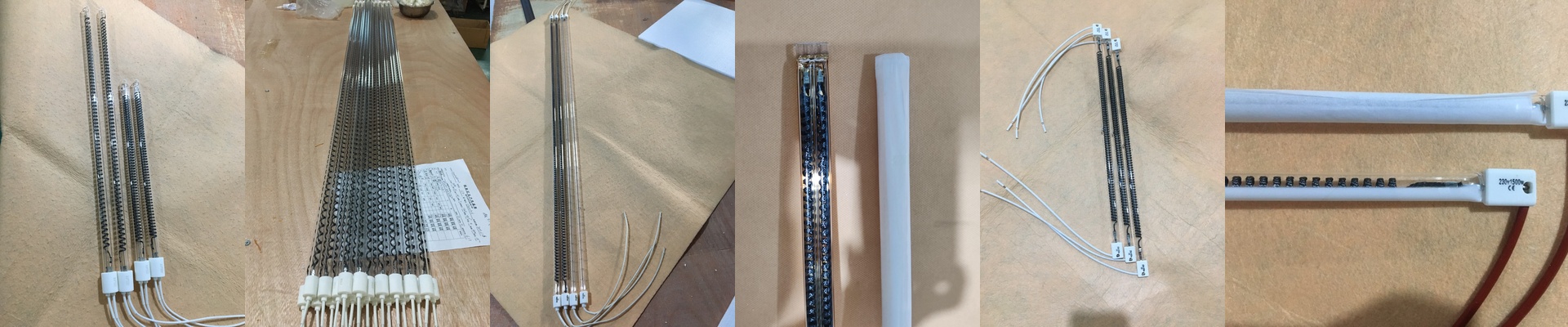
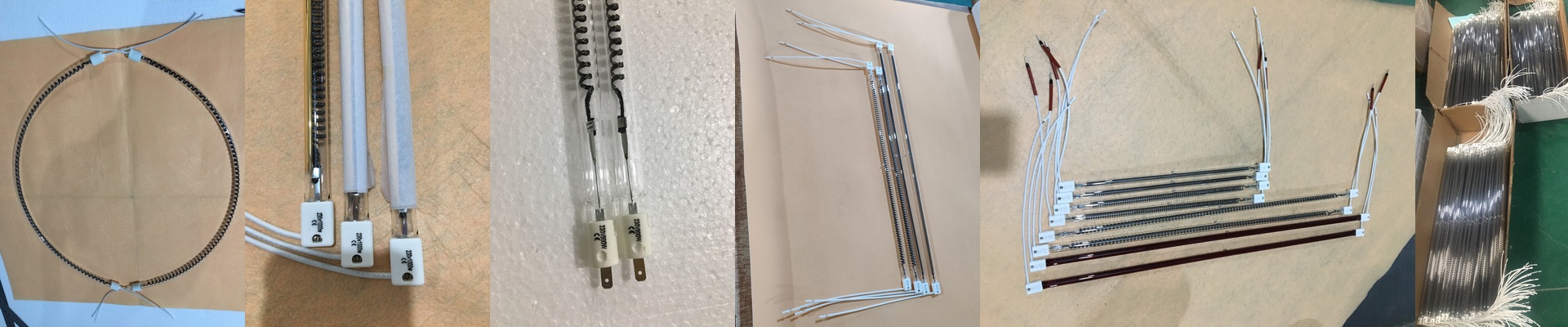
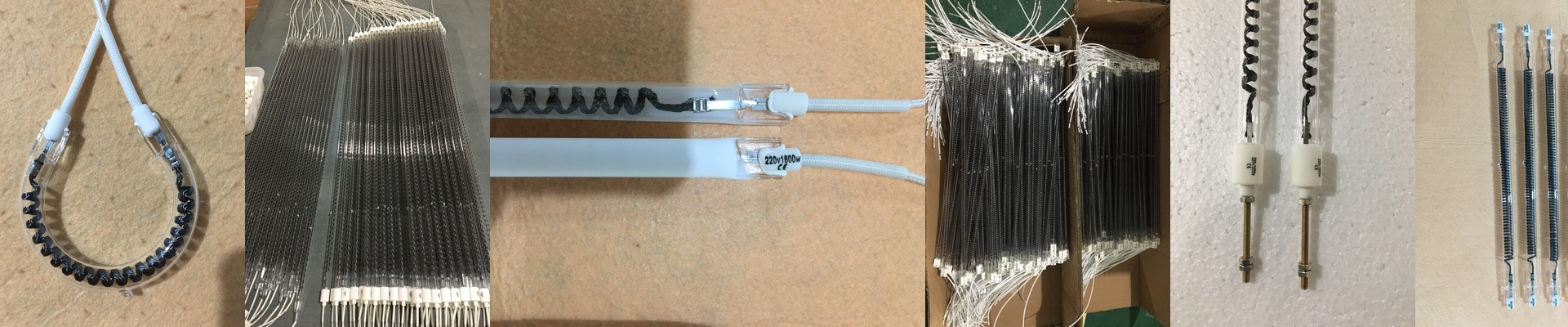
Let’s talk about the 500mm Carbon Fiber FIR Lamp
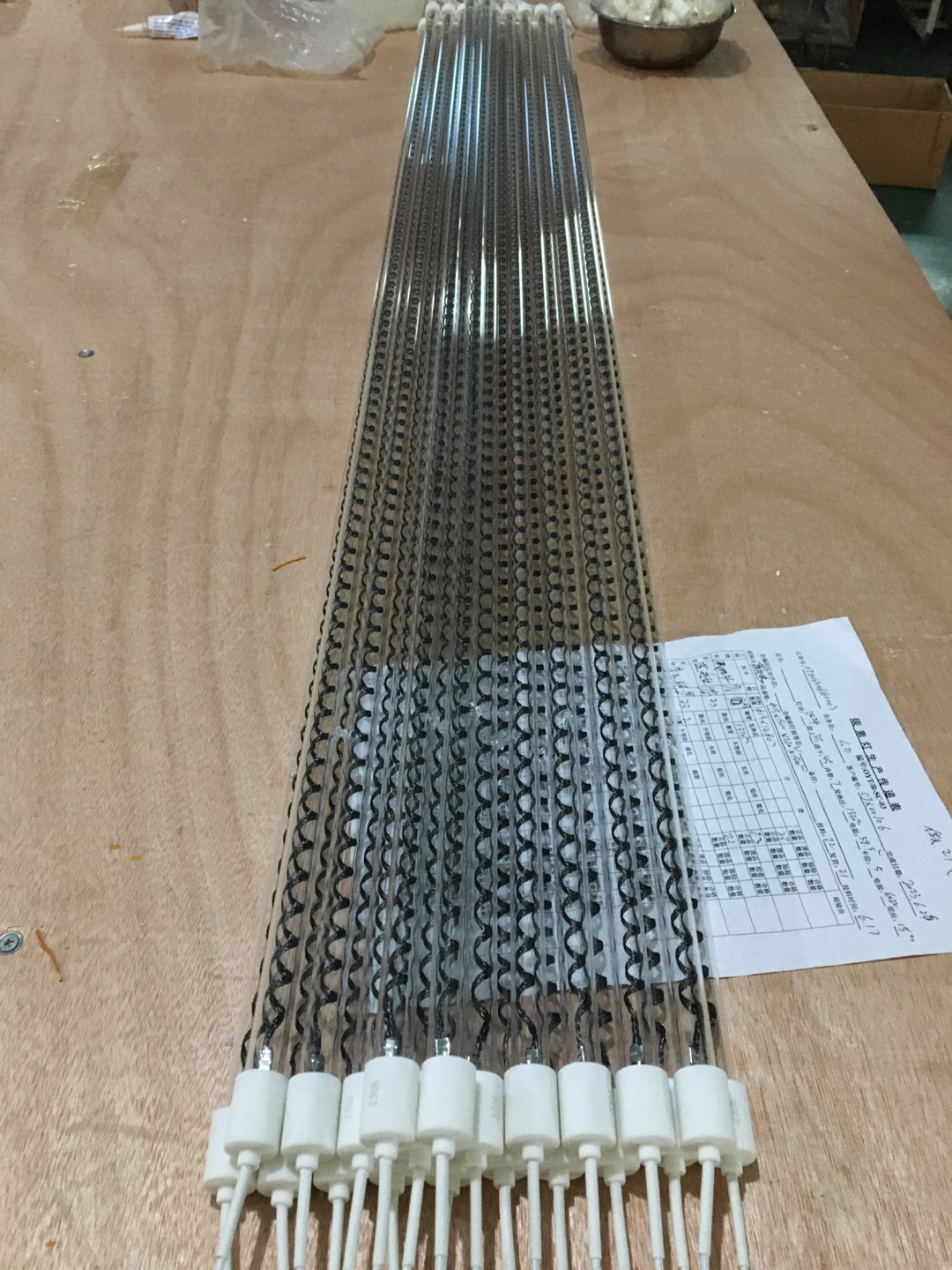
If you’ve ever dealt with surface scorching on a project, you know how frustrating it is. You want the heat to get deep inside the material, but instead, you just burn the top layer. That’s exactly why we built the 500mm carbon fiber lamp. Unlike those halogen short-wave lamps that just blast the surface, these FIR lamps use longer wavelengths. Think of it as a “soak” rather than a “hit.” The heat actually sinks into the core of whatever you’re working on. The nitty-gritty on power At 500mm, these fit right into most mid-sized ovens or drying tunnels without a fuss. We’ve spent a lot of time balancing the wattage across the whole length because nobody wants “hot spots” ruining their parts. One thing to watch out for: your ramp-up time depends on your power density. High wattage gets you hot fast. Just make sure your wiring gauge and power supply can actually handle the draw. You don’t want your terminals overheating because the wires were too thin. What’s inside the tube? We use a carbon fiber heating element tucked inside high-purity quartz. Why carbon fiber? Because it handles heat way better than the old-school nichrome wire. It doesn’t sag or snap when you’re cycling the temperature up and down quickly. The quartz tube is there to keep the filament from oxidizing, but it’s clear enough that the FIR radiation gets through without losing its punch. Where this actually works (and the trade-offs) You’ll see these all over the place—PET blowing, curing paint, welding plastics. It’s a lifesaver for thick-walled polymers where melting the surface would be a disaster. But here’s the thing: these aren’t “instant.” Carbon fiber takes a bit longer to hit peak temperature than short-wave quartz. If your production line needs a light to snap on and off in a heartbeat for precision tempering, you’ll feel that lag. You just have to tweak your PID controller settings to account for it. And a quick tip: give the lamp some breathing room. If it’s too close to the target, the heat can soak back into the lamp ends and damage them. Keep a healthy gap, and you’re golden.