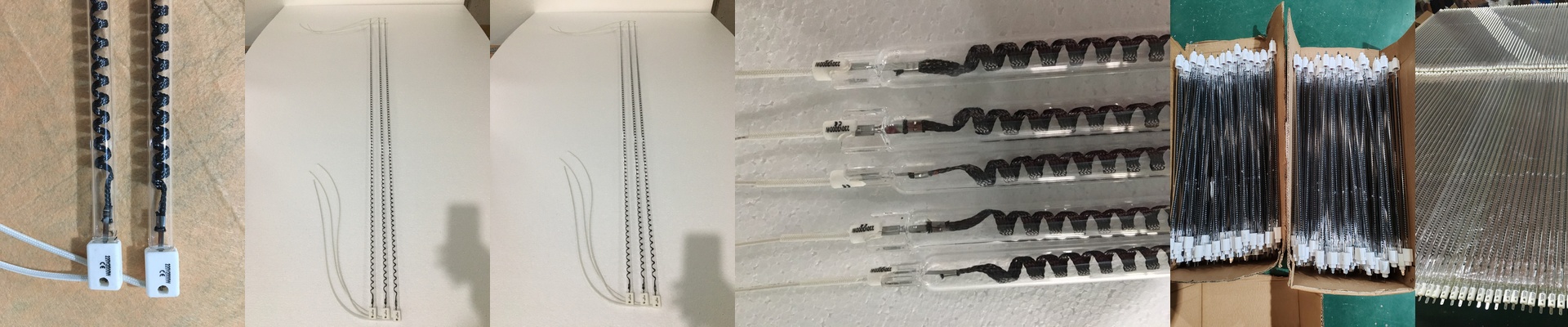
Let’s Talk About Carbon Fiber Infrared Heating
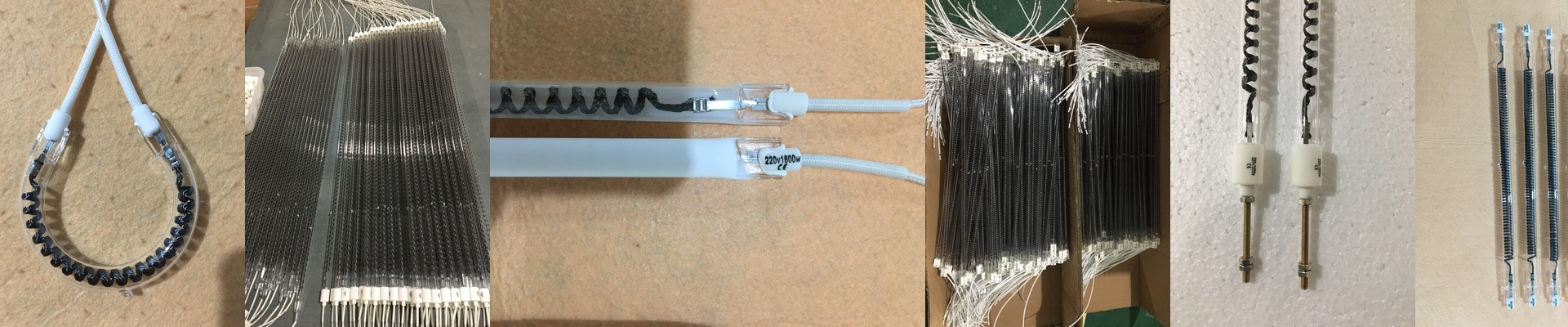
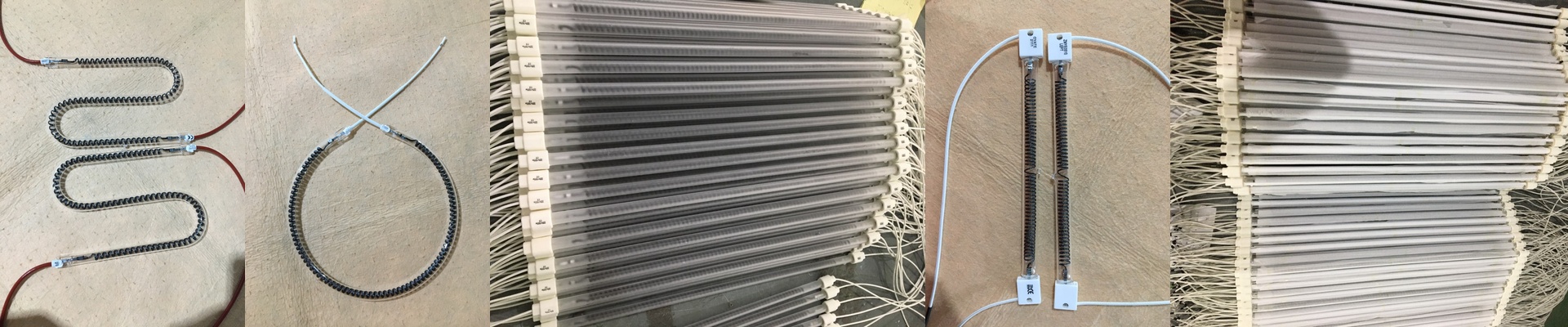
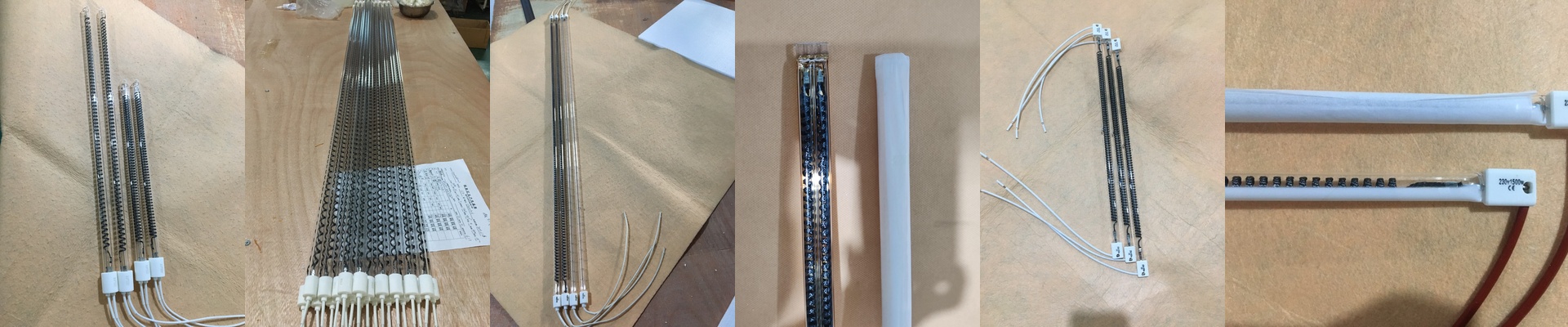
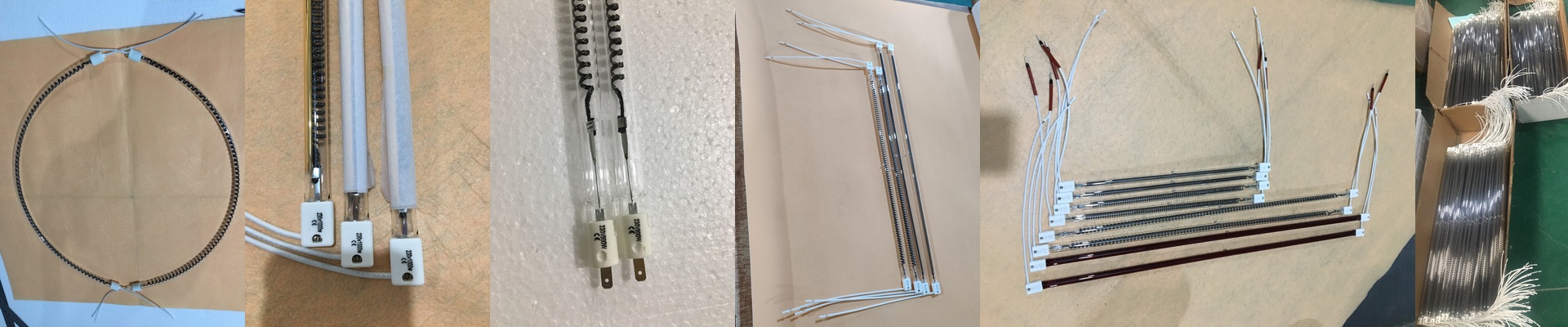
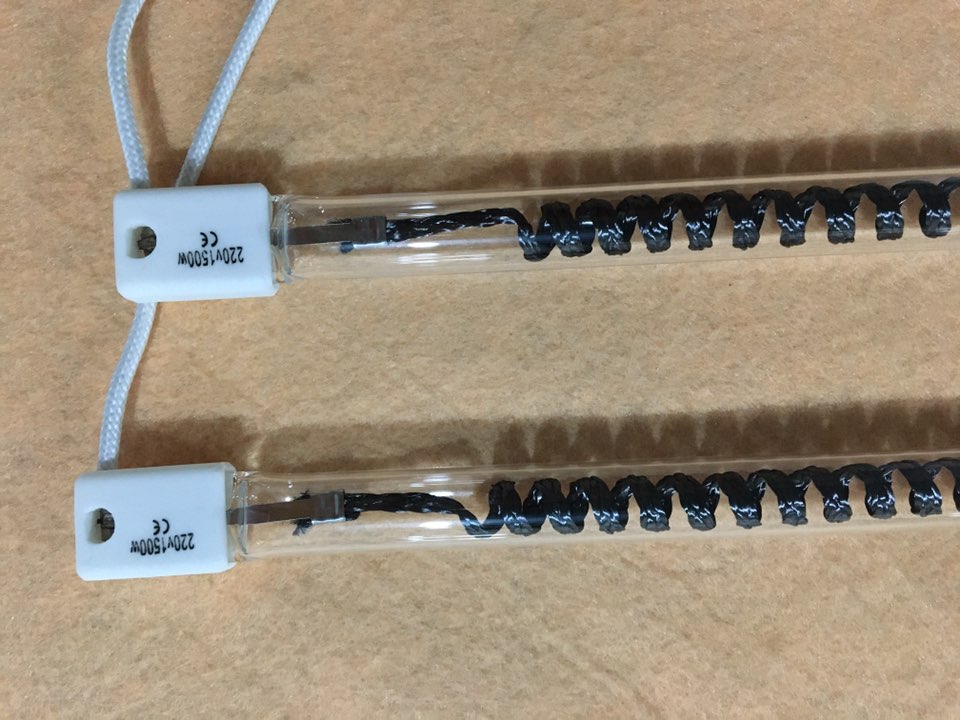
If you’re used to those old-school quartz halogen tubes, carbon fiber lamps are a different beast entirely. We use a carbon fiber filament tucked inside a quartz envelope. The result? It hits its top temperature way faster and pushes out heat that actually penetrates your materials instead of just sitting on the surface. Getting the power right Here is the thing: you’ve got to get your wattage and voltage in sync. A high-wattage tube gives you that intense, concentrated heat, but you need a power supply that won’t flinch when the lamp first kicks on. And be careful with your housing. If you cram a lamp with too much wattage into a small space, you’ll probably bake your reflectors. My advice? Match the tube length to the area you’re actually heating. Nobody likes cold spots. The nitty-gritty on build quality The quartz glass is there for a reason—it keeps the carbon filament from oxidizing and dying early. But the real secret is in the connectors. Whether you’re going with a press-fit or a threaded connection, make sure it’stight. A loose fit leads to arcing, and that’s a quick way to burn out a perfectly good lamp. One big plus, though? Carbon filaments handle vibration much better than tungsten. If your machinery shakes or runs hard, these can take a beating without snapping. Putting them to work We see these all the time in PET blowing, plastic welding, and paint curing. They’re great because you can usually just swap out your old heaters and immediately start cutting down your cycle times. But a word of caution: short-wave IR is powerful. If you leave certain polymers under the heat for too long, they’ll degrade. You’ll want to spend some time dialing in your PID tuning so you don’t accidentally scorch the surface of your product. Oh, and one last tip: use heat-resistant cabling. You don’t want your insulation melting into a puddle right next to the lamp heads.