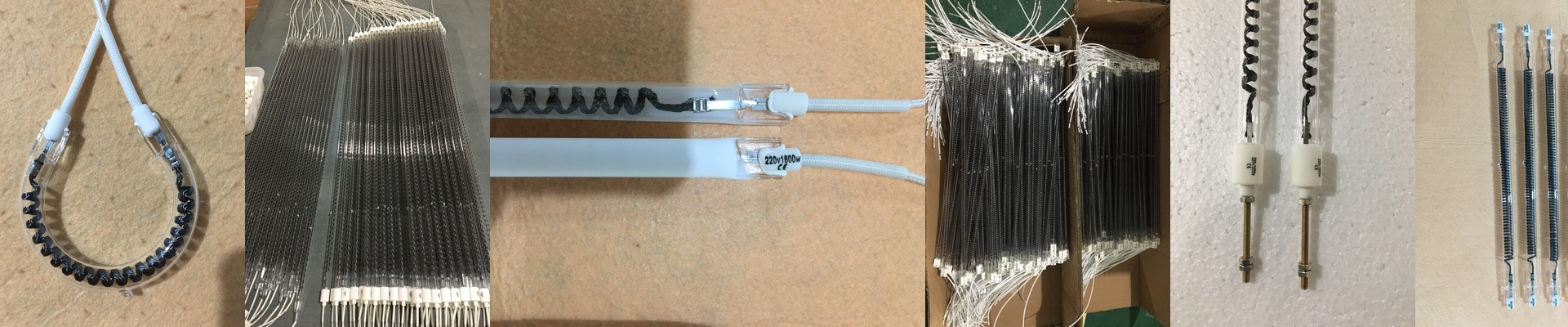
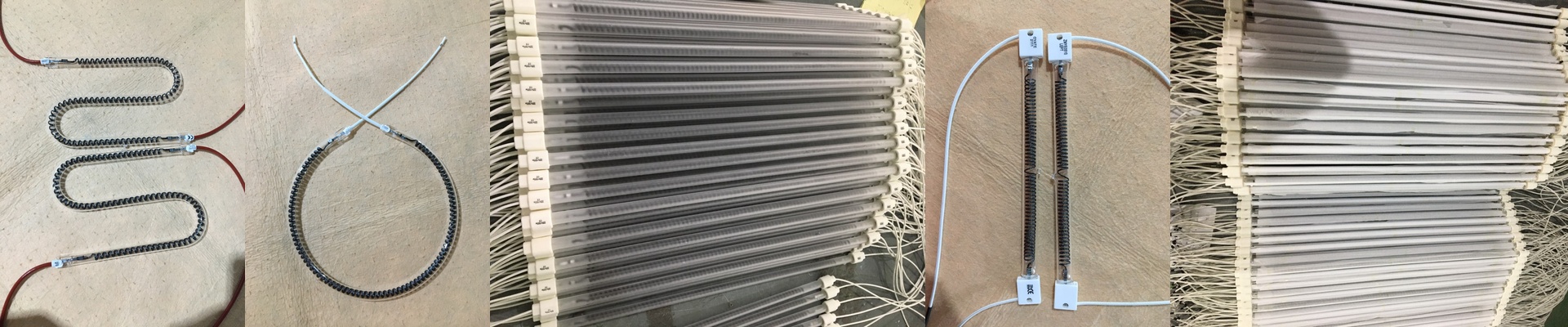
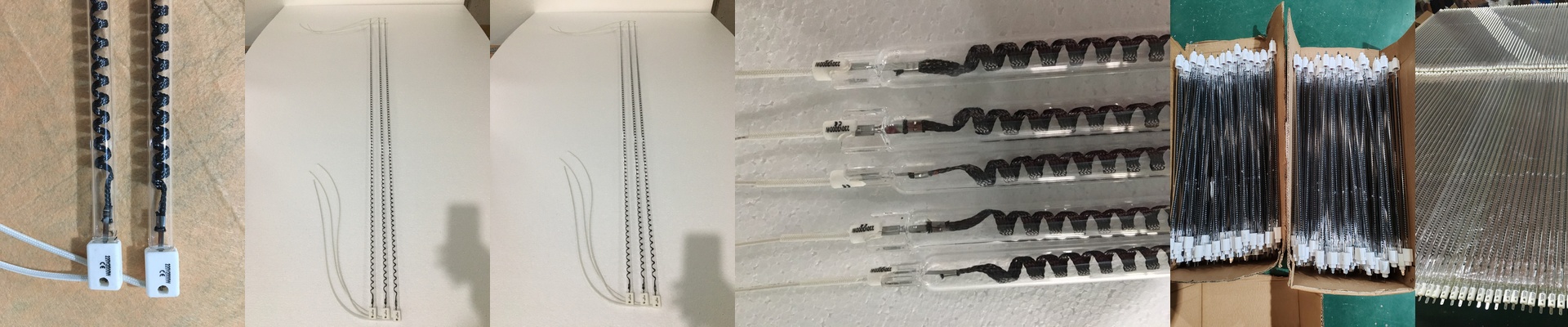
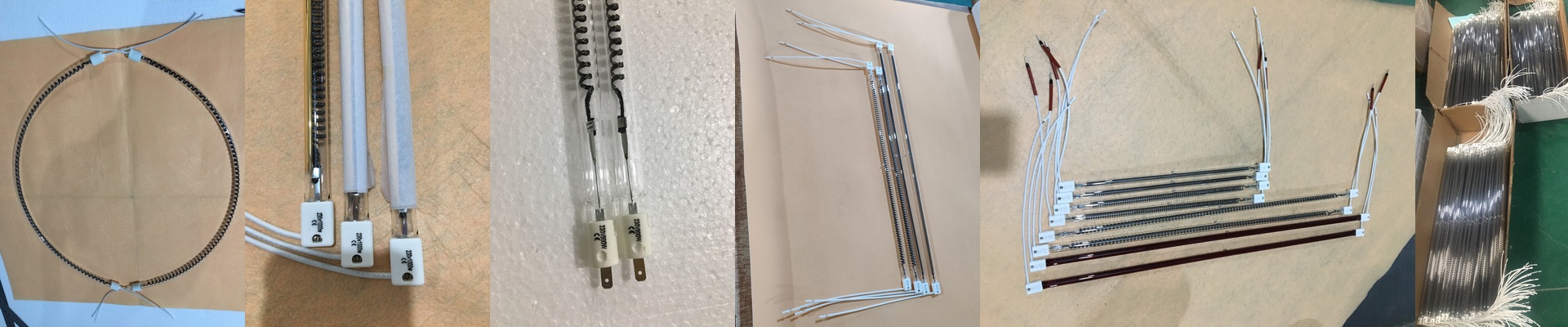
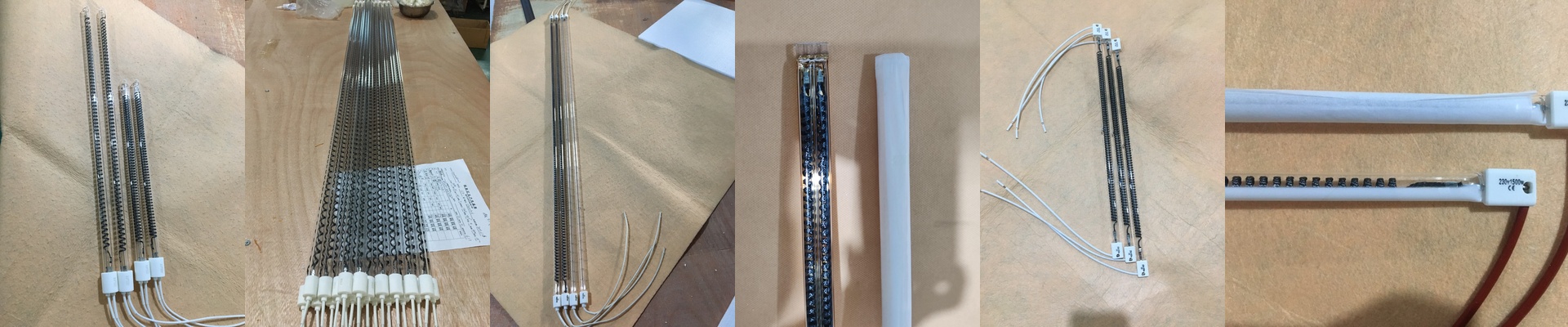
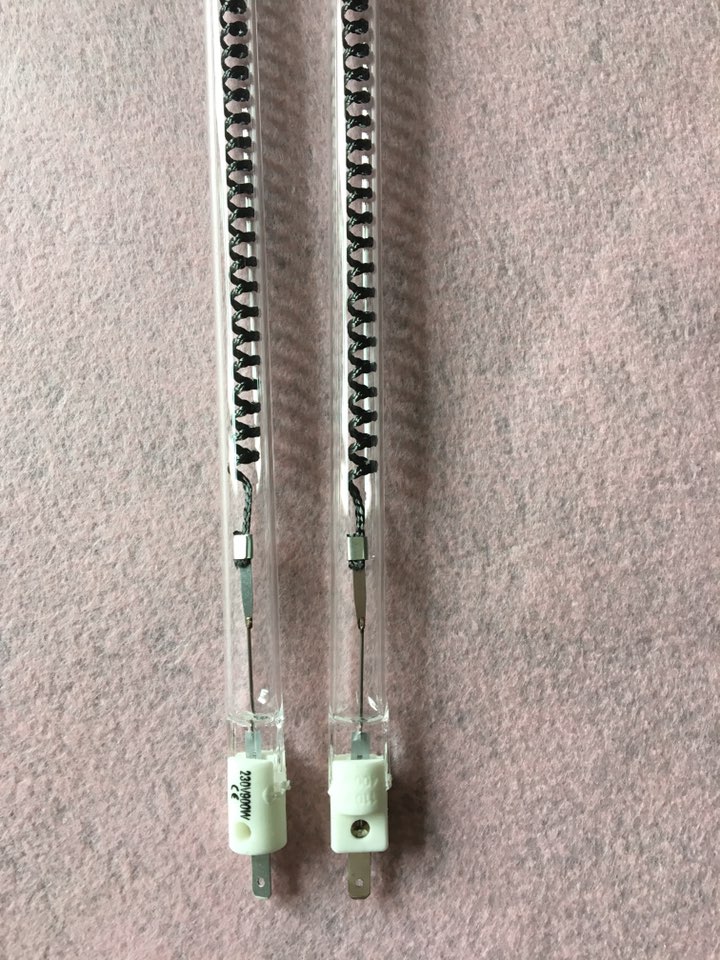
Let’s talk about these 360mm 700W Carbon Fiber FIR Lamps
Ever tried to heat something through and through, but ended up scorching the surface instead? It’s a nightmare. That’s exactly why we went with carbon fiber for these lamps. Most people are used to those standard quartz heaters with the tungsten filaments. These are different. By switching to carbon fiber, we’ve pushed the heat into the far-infrared range. Basically, the heat goesdeep.
The power and the size
We settled on a 360mm length and 700W because it hits that sweet spot. You get a concentrated burst of heat that ramps up incredibly fast, but the filament doesn’t burn itself out in a week. One quick tip: they play nice with most industrial controllers, but keep an eye on your power supply. There’s a bit of a surge when they first kick on, and you don’t want to be the person who accidentally trips the breakers for the whole shop.
Why carbon fiber actually matters
Metal filaments have a habit of sagging or warping when things get really hot. Carbon fiber doesn’t really do that. It stays put. Because it’s far-infrared energy, it sinks into the material. This is a lifesaver if you’re drying thick coatings or working with dense plastics. You won’t get those annoying bubbles or warped edges that happen when you only heat the surface. But here is the catch:be careful with the glass. The quartz envelope is there to keep the element from oxidizing, but it’s picky. If you touch the glass with your bare hands, the oils from your skin create “hot spots.” Those spots will eventually cause the tube to pop. Use a clean cloth or gloves. Seriously.
Fitting them into your setup
These are great for swapping into mid-sized curing ovens or PET heating stations. They react way faster than those old-school resistive heaters. Just remember that quartz is fragile. If your machinery shakes or vibrates a lot, don’t just bolt them in. You’ll want some high-temp dampening mounts, otherwise, that 360mm tube might snap right at the seal. And give them some breathing room. If the lamp is too close to your workpiece, you risk overheating the quartz itself, and nobody wants to deal with a broken lamp mid-shift.