Let’s Talk Carbon Infrared Heating
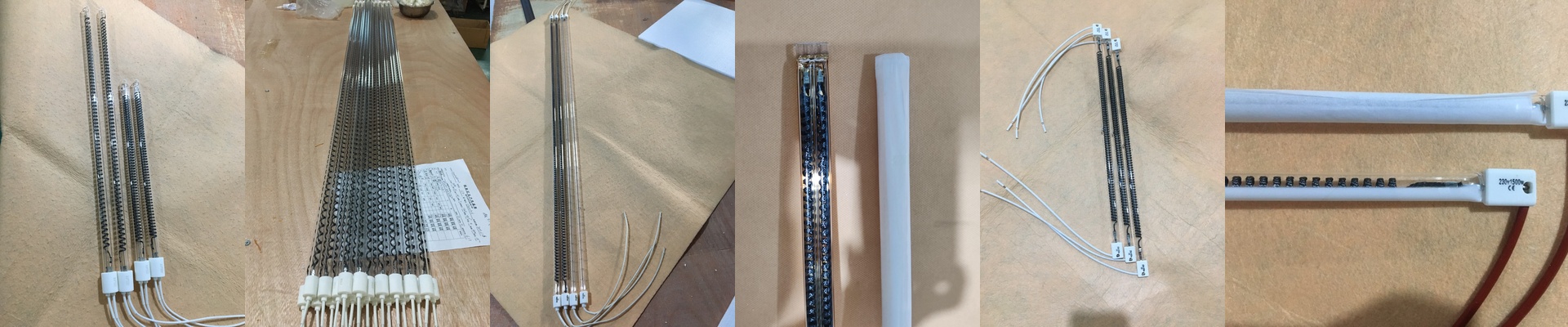
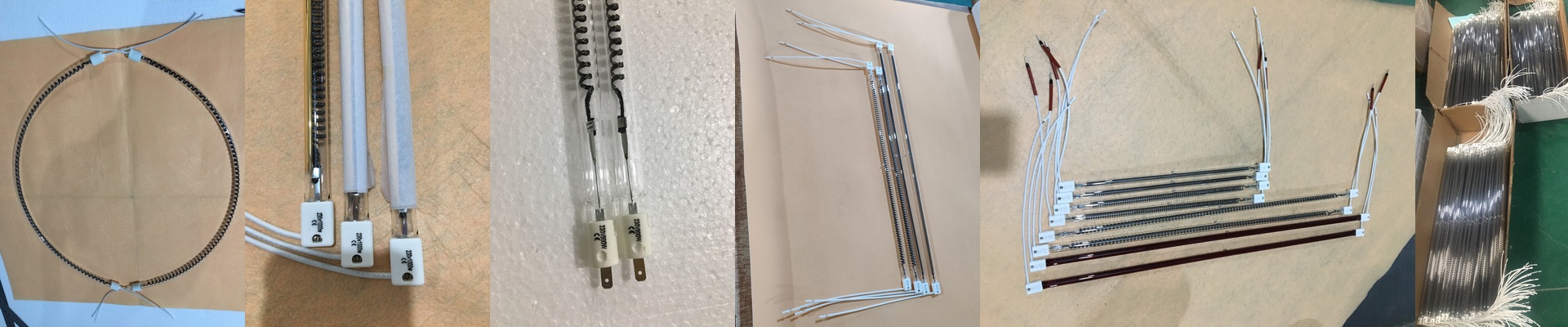
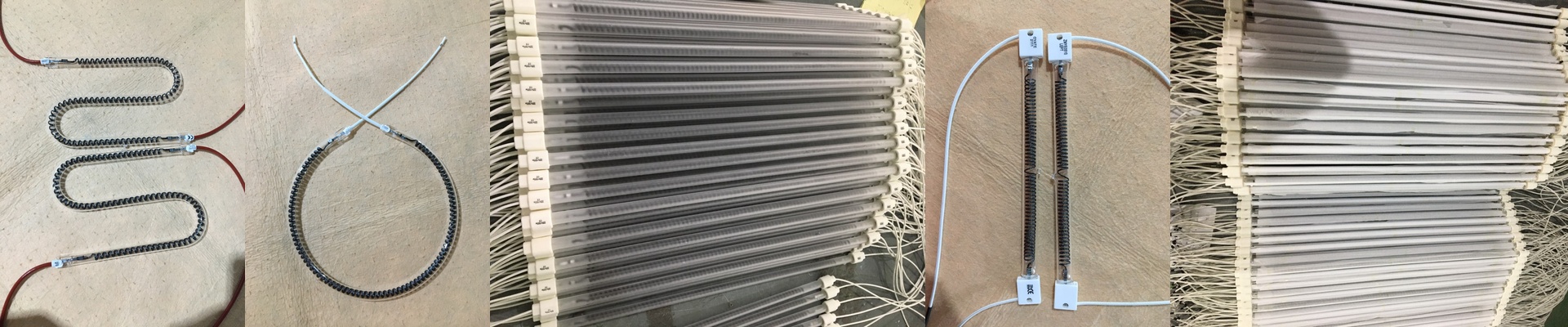
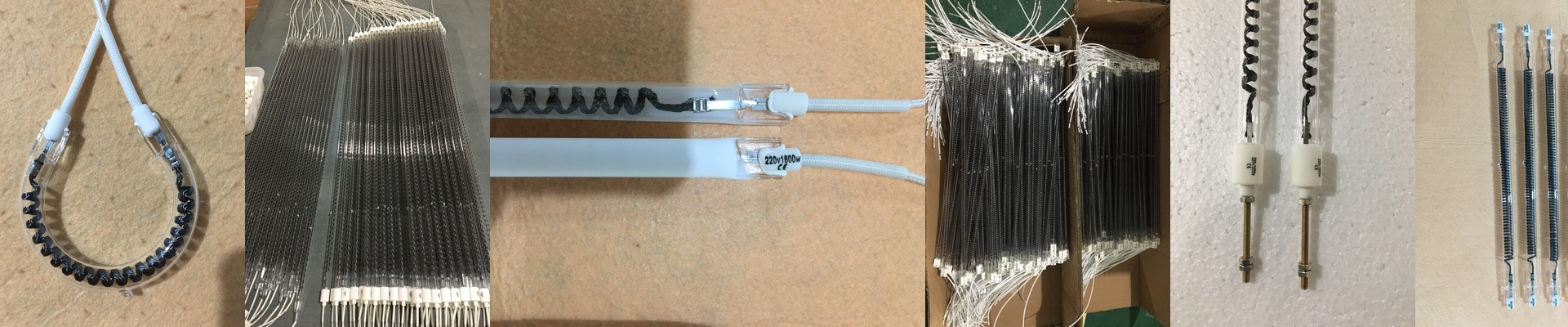
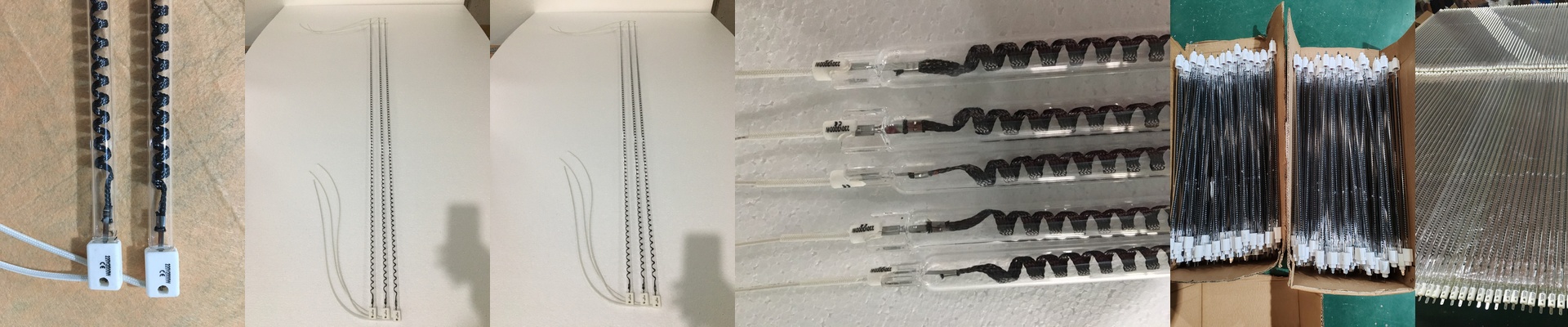
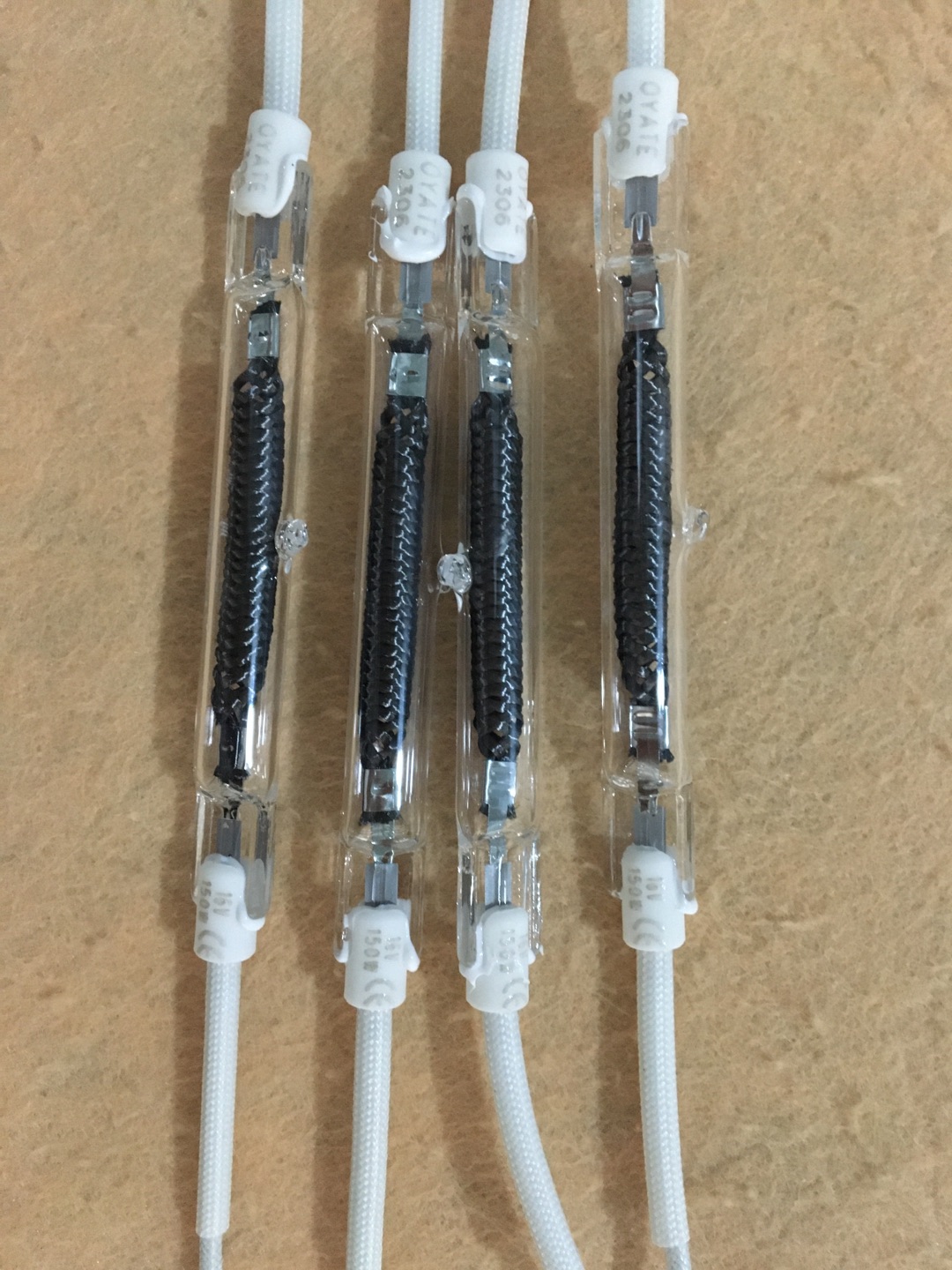
Ever wonder why some heaters just feel… faster? It usually comes down to what’s happening inside the tube. Instead of those old-school metal coils, these lamps use a carbon fiber filament tucked inside a quartz envelope. Here’s the cool part: carbon doesn’t need to get nearly as hot as metal to pump out a massive amount of infrared radiation. Because of that, they heat up almost instantly. You aren’t sitting around waiting for the equipment to warm up; it just hits the target and stays there. Getting the power right When we’re picking a lamp for your setup, we look at how much heat you actually need for the job. But there’s a catch. If you go for a high-wattage tube, your voltage has to keep up. If the power fluctuates, things get messy. You’ll start seeing “hot spots” along the lamp, which means your heating is uneven and your lamp is going to burn out way sooner than it should. Stable power is the secret to making these things last. The nuts and bolts We use quartz glass because it lets those infrared waves pass through without blocking them. Sometimes, we even add special coatings to the glass. This helps the heat “target” specific materials so they absorb the energy better. As for plugging them in, we stick to standard connectors like R7s or Sk15. We want these to be simple drop-in replacements for the gear you already have. Just a heads-up: make sure you’re using heat-resistant wiring. These lamps pull a lot of current, and you don’t want your wires melting. Where this actually matters You’ll see these lamps doing the heavy lifting in PET blowing, paint curing, and plastic welding. Because the heat penetrates the surface so quickly, you can shave a lot of time off your production cycles. It’s a huge win for efficiency. But, there is a trade-off. These lamps are intense, and that puts a lot of stress on your reflectors. If your reflectors are dirty or pitted, you’re basically throwing heat away. It’s like trying to shine a flashlight through a muddy lens. Keep your optics clean, and double-check that your cooling fans can handle the heat buildup around the housing. Keep it cool, keep it clean, and the lamps will do the rest.