Let’s Talk Medium Wave Carbon IR Heat Tubes
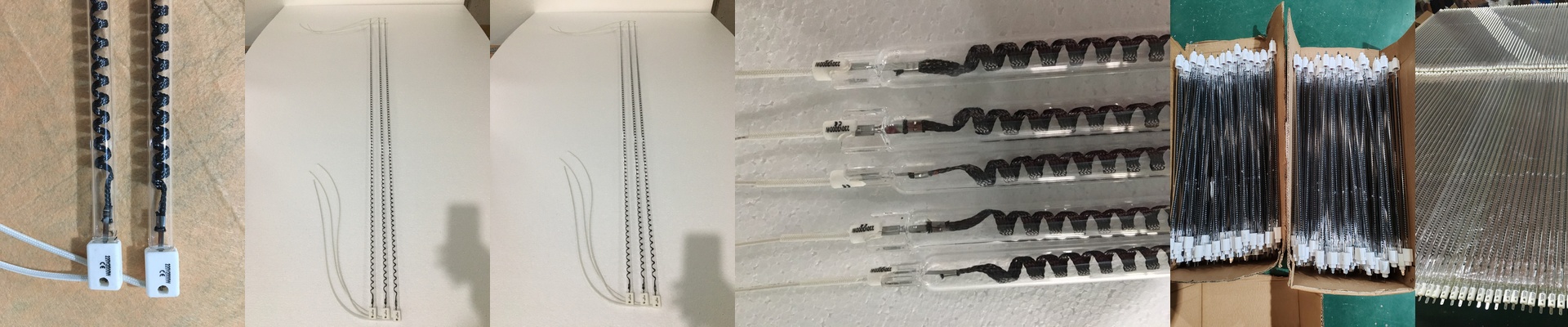
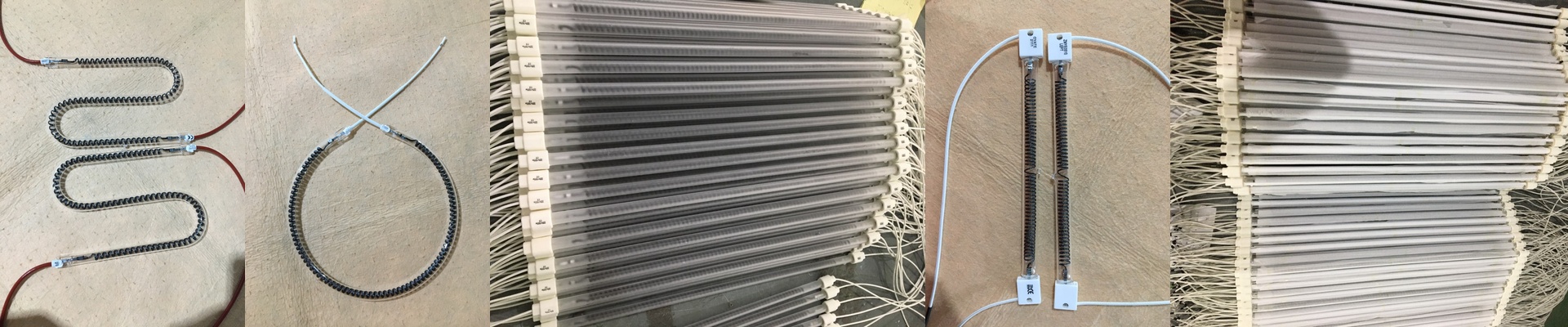
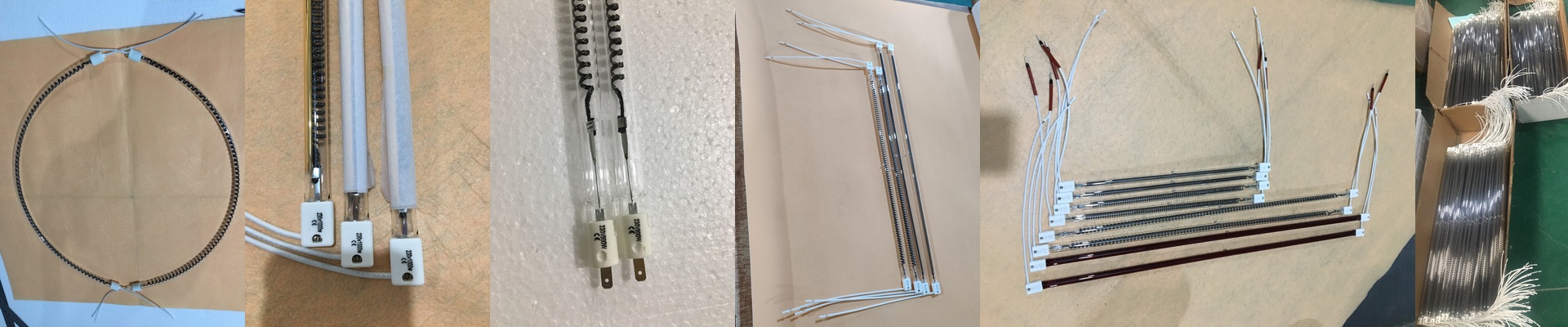
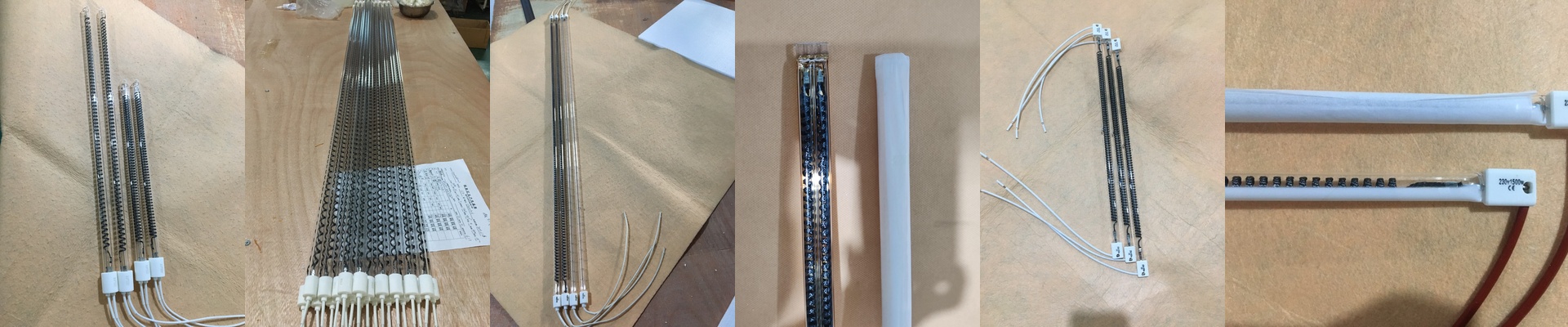
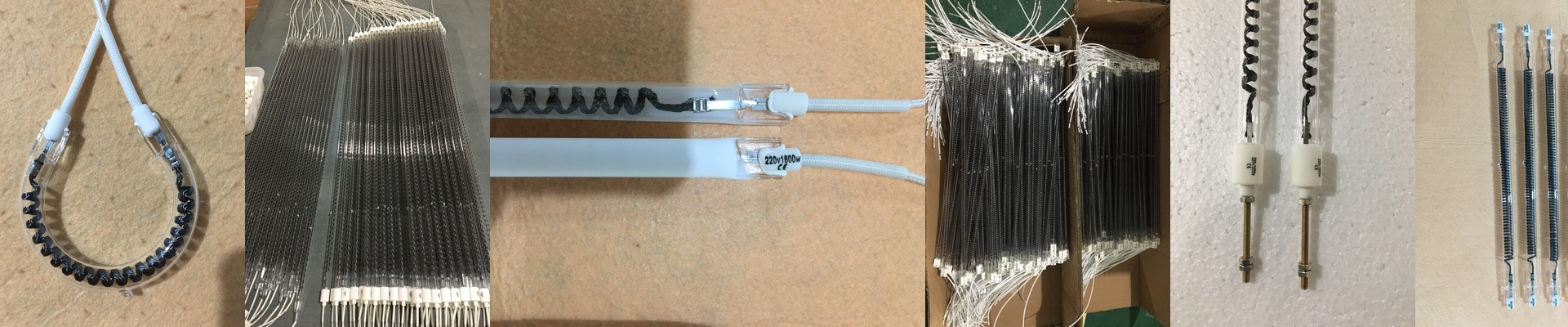
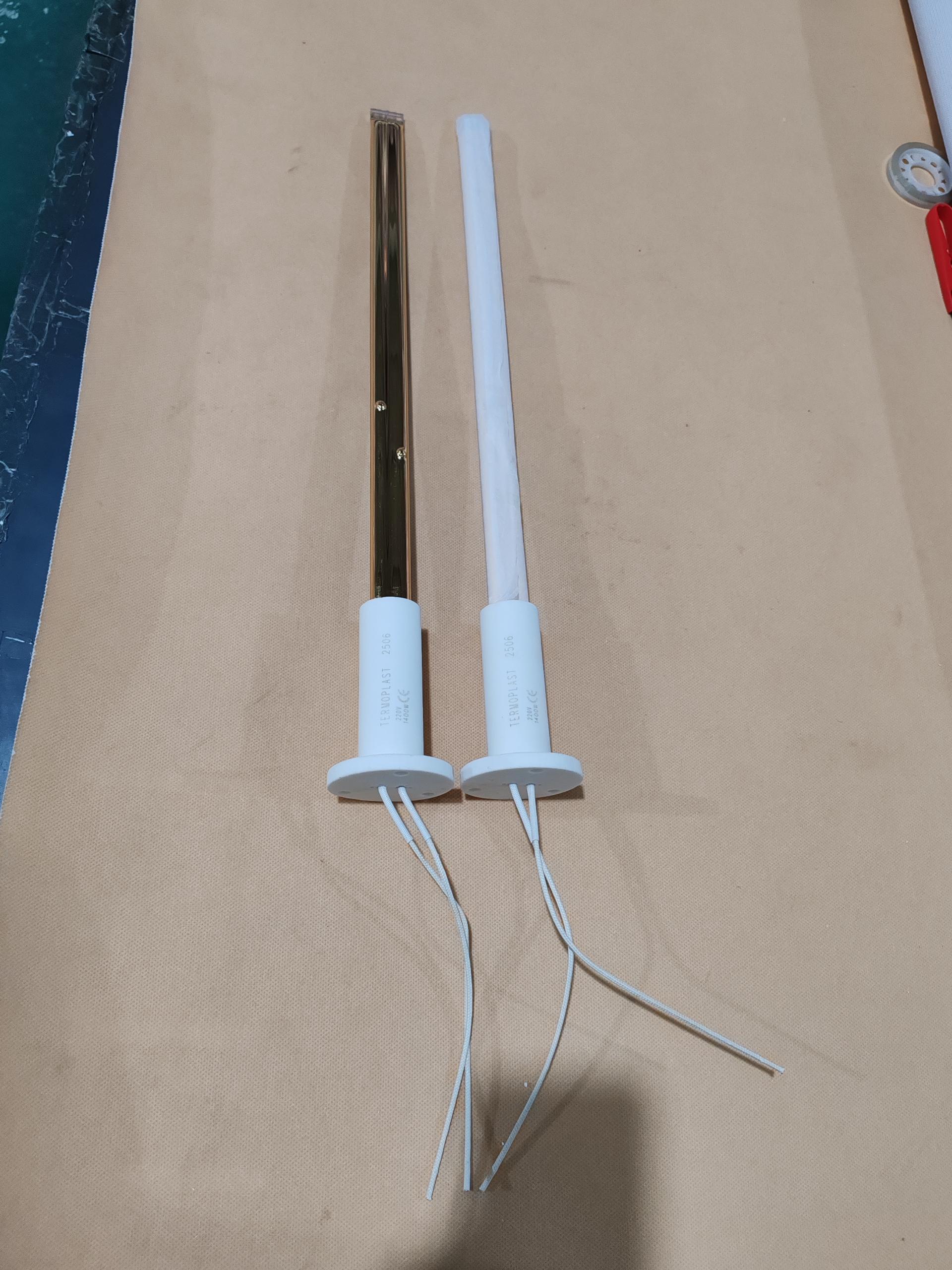
Most people are used to tungsten, but we do things a bit differently here. We use carbon-based heating elements. Why? Because sometimes you need the heat to actually sink into the material, not just sizzle on the surface. That’s why these are the go-to for industrial drying and curing. Getting the power right Here’s the thing: the performance really comes down to how much wattage you’re packing into the length of the tube. If you cram high wattage into a short tube, you get a lot of heat density. That means your ramp-up time is way faster. But you’ve got to be careful with your transformer. If the voltage is too low, the carbon filament won’t get hot enough to hit that medium-wave spectrum. You’ll just be wasting electricity and getting lukewarm results. The build (and a warning) We wrap the carbon element in high-purity quartz glass. It keeps the oxygen out and lets the heat radiate freely. On the connection side, we mostly use R7s or Sk15 connectors. They’re basically drop-in replacements for standard industrial sockets, so you won’t be spending your whole afternoon rewiring your setup. Now, a heads-up: carbon filaments generally outlast tungsten, but they’re a bit fragile.**Please, for the love of everything, don’t drop them.**One bad bump during installation and you’ll snap the internal element. Then you’re just holding an expensive glass tube. Where they shine (and where they don’t) These are perfect for PET blowing, powder coating, or drying ink. Since the radiation penetrates deeper, the core of your part actually gets hot. But wait—there’s a catch. Carbon tubes aren’t like halogen lamps; they don’t just “flash” on instantly. There’s a bit of a lag. You’ll need to tweak your PLC timing and conveyor speeds to account for that, otherwise, your parts might come out under-cured. One last tip: make sure your housing is vented. If the air doesn’t move, the heat builds up around the connectors. If you’re using cheap wiring, it’ll melt. Not a great look.