Let’s Talk About Carbon Infrared Quartz Heaters
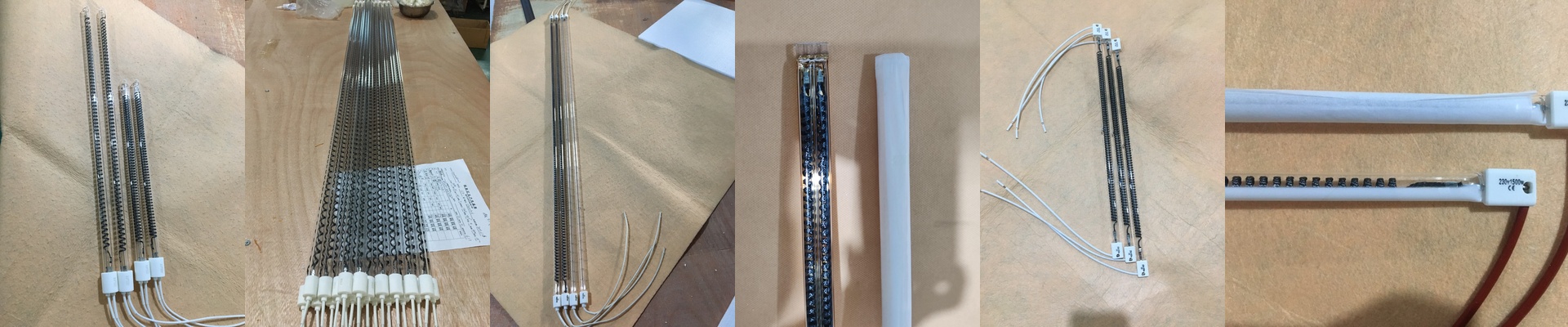
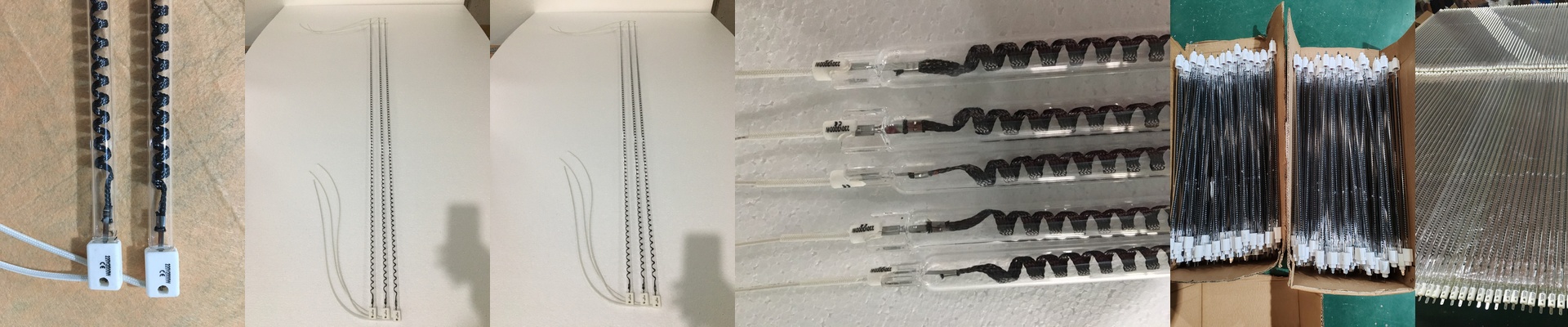
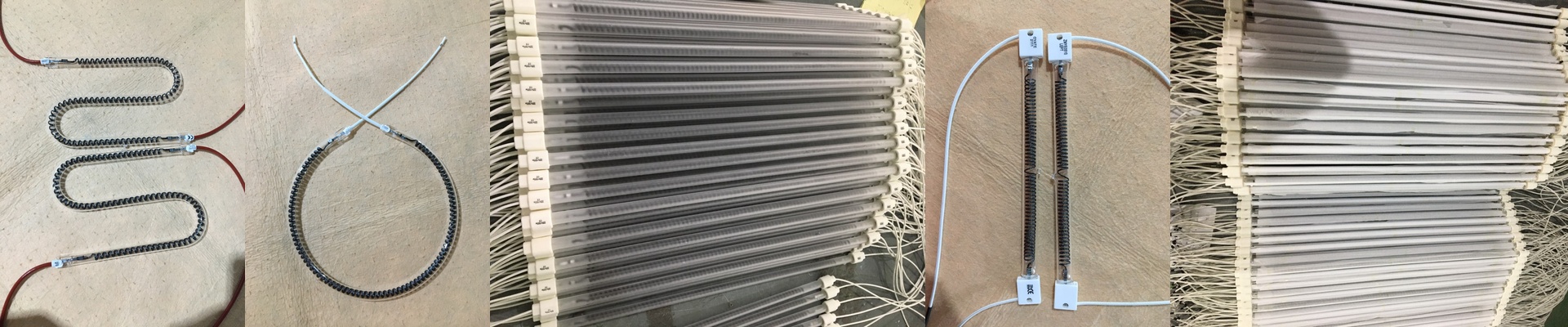
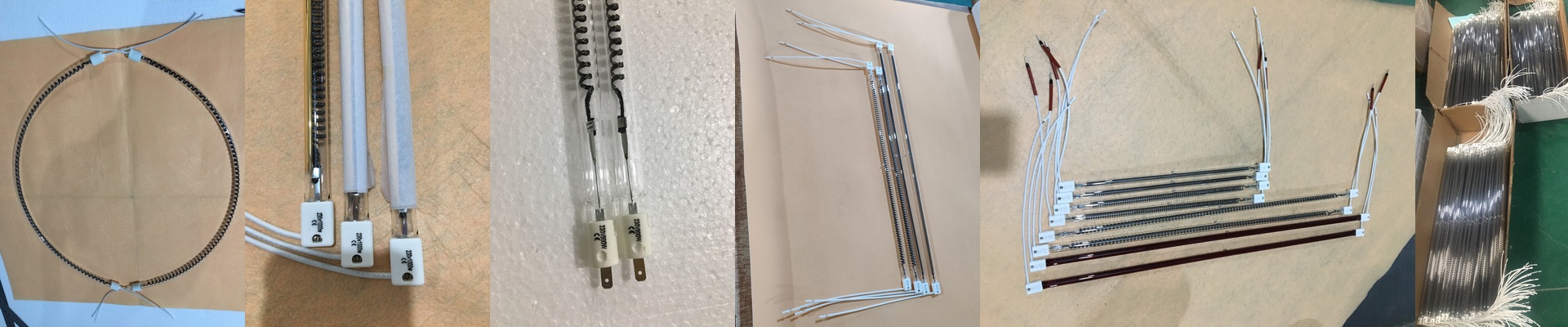
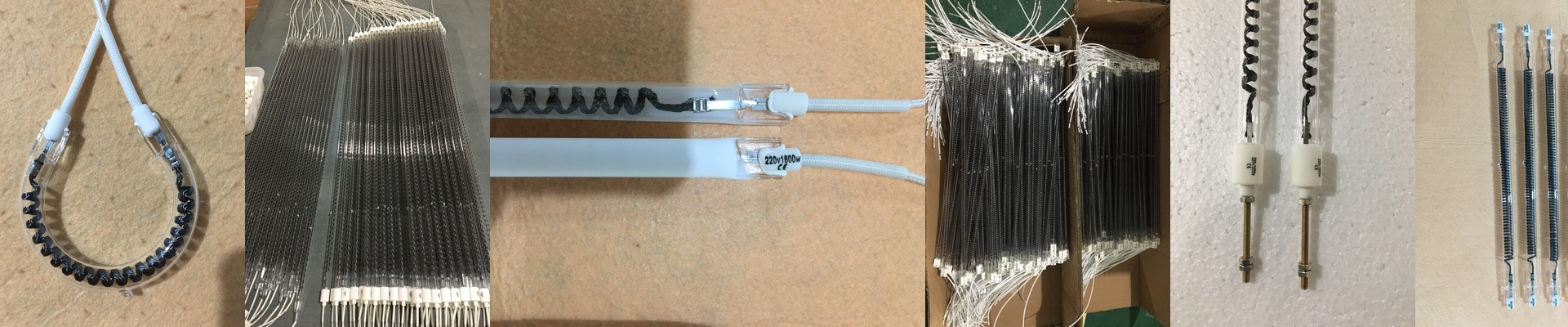
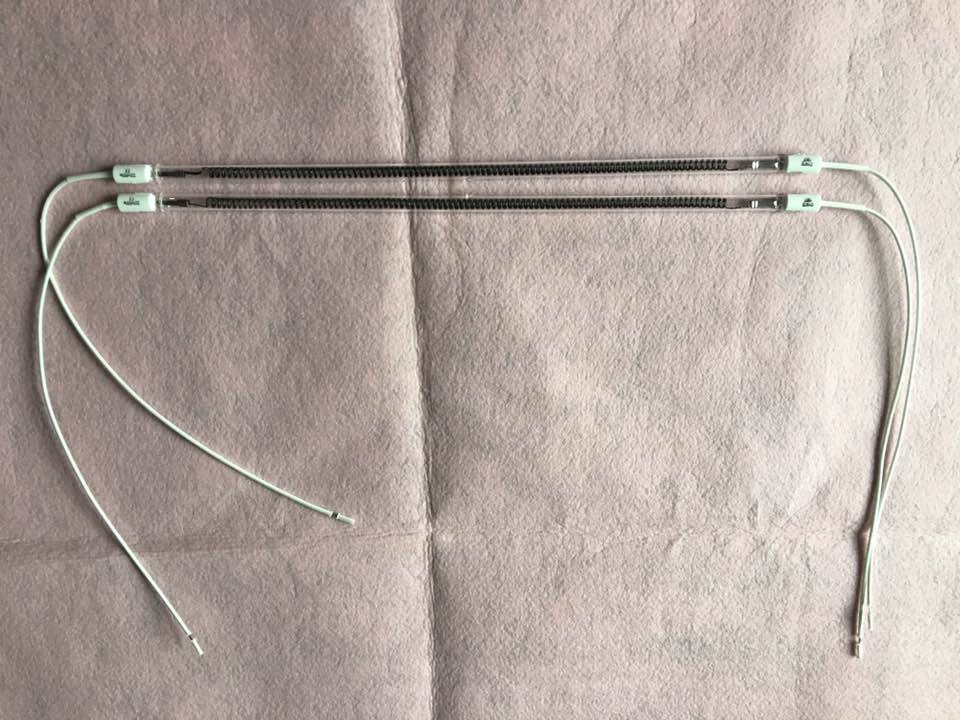
Here is the deal with carbon infrared quartz heaters: they’re basically a carbon fiber filament tucked inside a high-purity quartz tube. We build these for the jobs where you can’t afford to wait around for things to warm up and you need a ton of heat in a small space. They’re different from those old-school metal coils. The carbon filaments don’t need to get nearly as hot to do their job, but they pump out way more of that medium-to-long wave infrared radiation. It’s just more efficient.
Getting the Power Right
When we’re figuring out the specs, it all comes down to how much wattage you need per millimeter of the tube. I usually suggest a higher voltage rating. Why? Because it keeps the current low. That means your wiring and switchgear aren’t under nearly as much stress. Now, if you cram a lot of wattage into a short tube, you get a massive heat flux. Your materials will hit the target temperature fast. Just a heads-up, though—make sure your reflectors are lined up perfectly. If they’re off, the heat will just soak right into your machine frame, and nobody wants that.
The Build and the Connections
The quartz tube isn’t just for looks; it keeps the carbon from oxidizing and burning out. Depending on where these are going, we can add coatings to change how the heat emits or to stop chemical splashes from ruining the glass on a messy shop floor. For the plugs, we stick with R7s or Sk15 connectors. They’ve been around forever because they actually work. They fit tight and can handle the constant expanding and shrinking that happens when you cycle the heat on and off. **Don’t cut corners here.**If you use the wrong connector, you’ll get arcing at the terminals. That’s a one-way ticket to a burnt-out lamp.
Putting Them to Work
You’ll see these everywhere—PET blowing, curing paint, or in drying tunnels. The best part is the ramp-up time. You aren’t wasting half your morning waiting for the equipment to get up to temp. But a word of caution: carbon filaments are a bit more delicate than stainless steel. You have to be gentle. If you drop a tube or crank down the mounting clips too hard, the filament will snap. It’s frustrating, but it happens. One last tip? Use a soft-start controller. It stops that initial surge of current from shocking the filament, which helps the heaters last a lot longer.