Stop Swapping Out Your IR Lamps Every Few Months
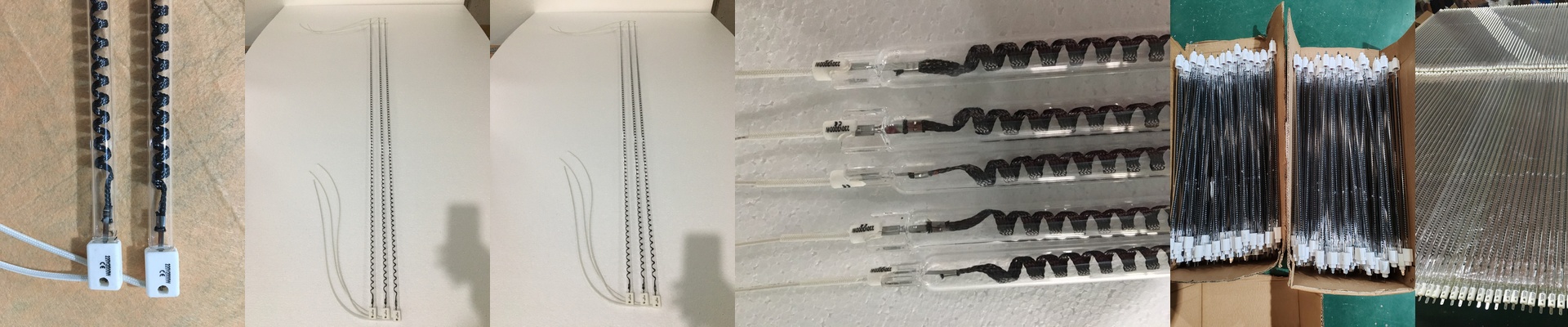
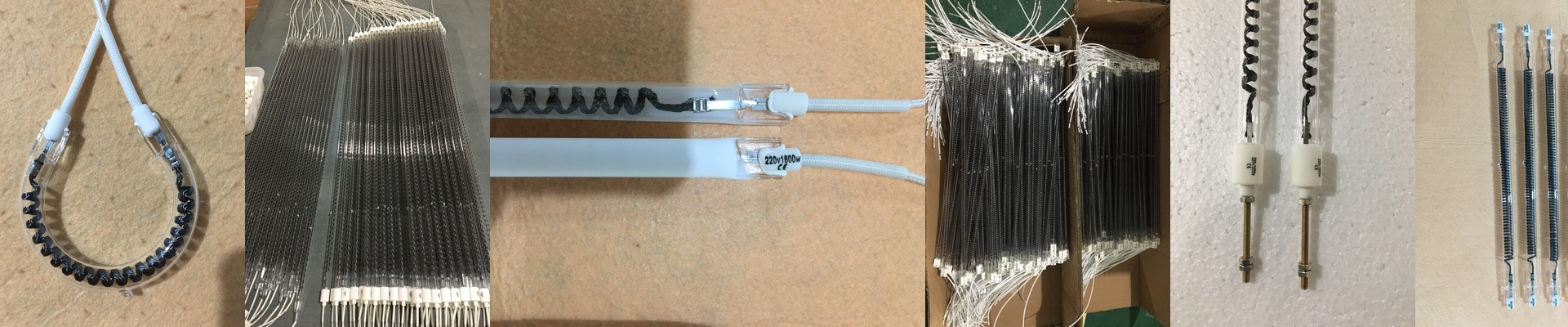
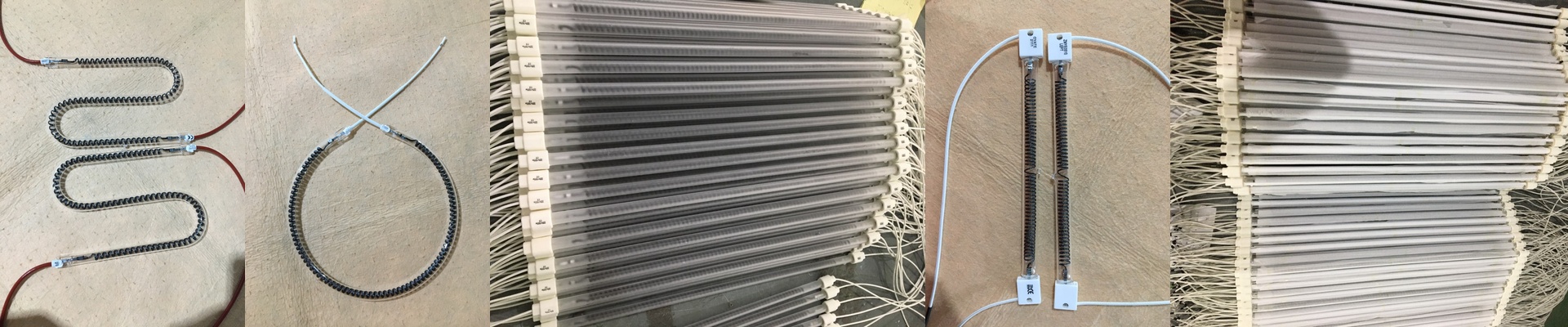
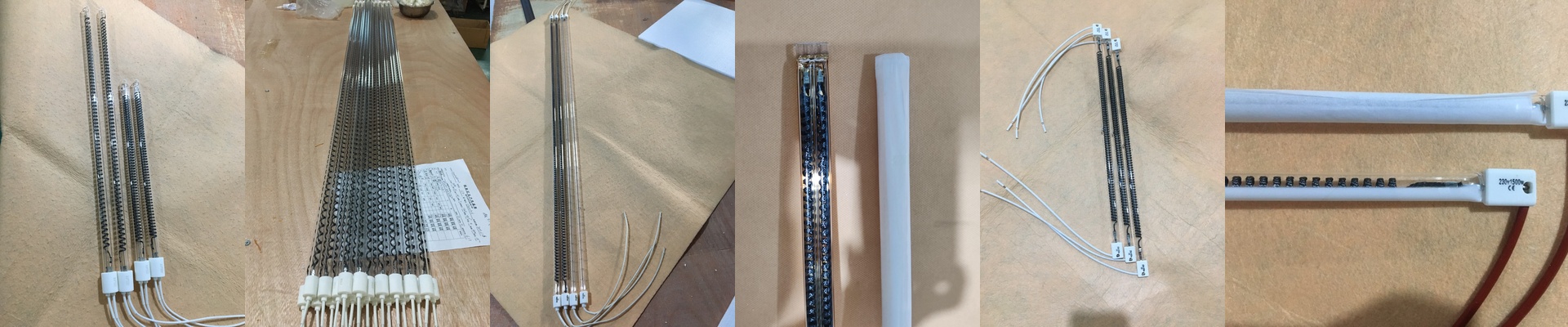
Let’s be honest: most industrial infrared lamps are a pain. You install them, they run hard for a bit, and then they just burn out. It’s a cycle of downtime and frustration that nobody actually wants. We wanted to fix that. So, we built carbon fiber heating elements that can actually last 6,000 hours. This isn’t some fancy coating or a marketing trick. It’s just better physics. Why carbon fiber? Think about those old tungsten filaments. They get thin, they migrate toward the center of the tube, and then—snap. They’re gone. Carbon fiber doesn’t do that. We use a carbon-carbon composite that stays put. It doesn’t evaporate like metal does, which means your wattage stays steady. You don’t get that annoying voltage drop that usually kills a lamp’s performance right when you need it most. The nitty-gritty on heat Here’s the thing: you’re dealing with a different kind of heat here. Carbon fiber emitters don’t get as hot on the surface as halogen lamps, but they push long-wave infrared radiation much deeper into your material. If you need a steady, sustained soak rather than a quick flash of heat, these are a perfect fit. But a quick heads-up—check your power supply. These have a different resistance profile than your standard quartz lamps. You’ll need to tune your controllers to the specific carbon load, otherwise, you might overshoot your target temperature. Real talk: The shop floor Hitting that 6,000-hour mark is a huge win for your schedule. It means way less time spent crawling into machines to swap tubes and messing around with recalibrating heat zones. Just keep one thing in mind: carbon fiber is a bit more sensitive to a good old-fashioned beating. If your machinery vibrates like crazy or gets bumped during loading, don’t just wing it. Use reinforced mounting brackets so the filament doesn’t snap. And do yourself a favor—use high-temp leads. There’s nothing worse than having a perfectly good element but losing it because the connections oxidized.