Let’s Talk About SMT Infrared Heating (And Why Most of It Fails)
I’ve spent time in about 2,000 different SMT workshops. If there’s one thing I’ve noticed, it’s that there is a massive gap between what the heater brochure promises and what actually happens on the floor. Too many shops are fighting with thermal overshoot or uneven curing. Usually, it’s because the heating logic just doesn’t vibe with the density of the boards they’re actually running.
Getting the Heat Density Right
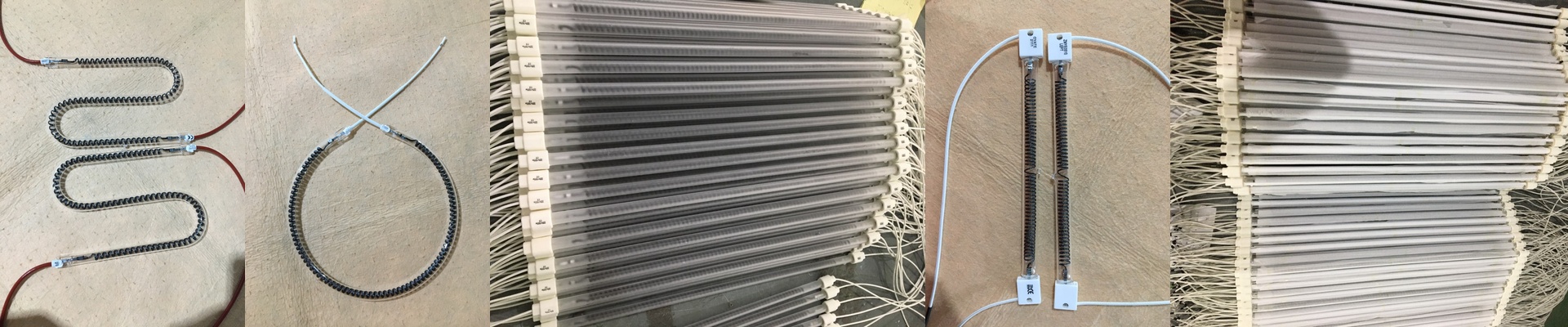
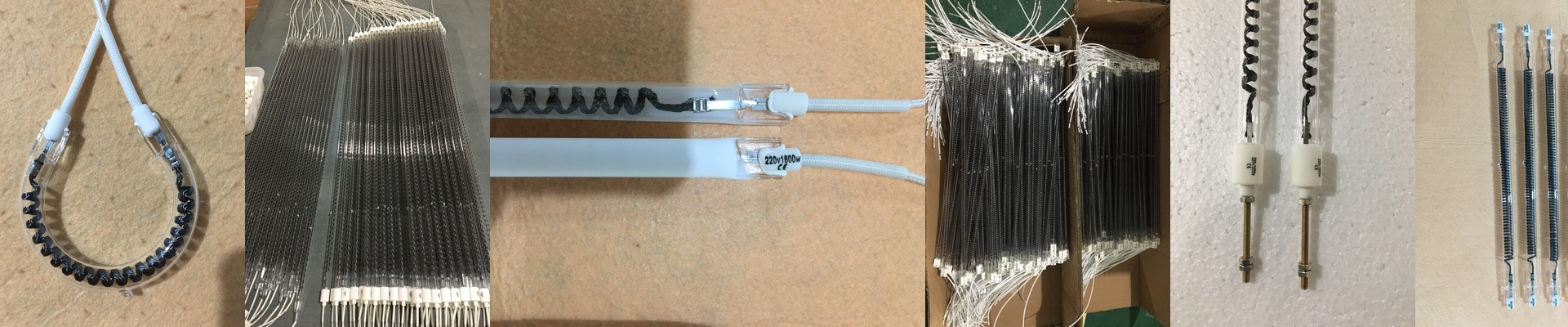
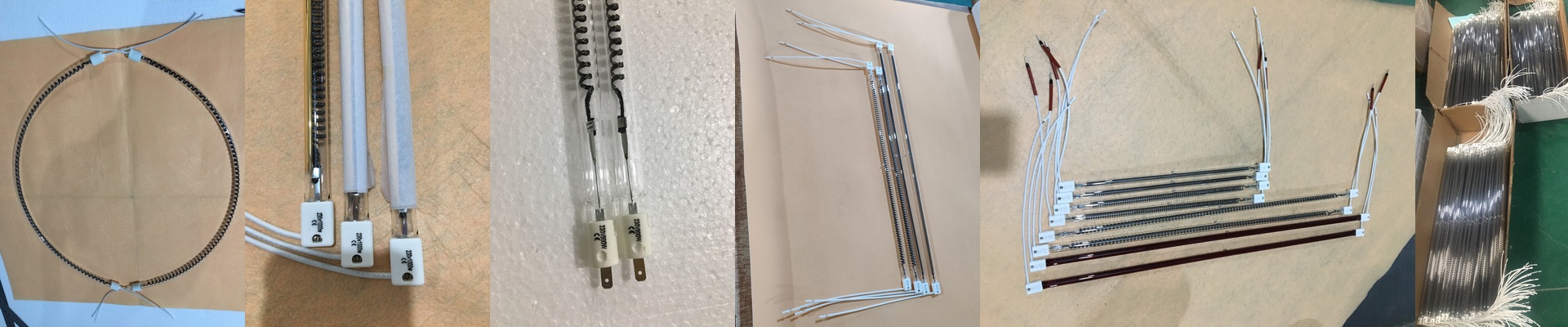
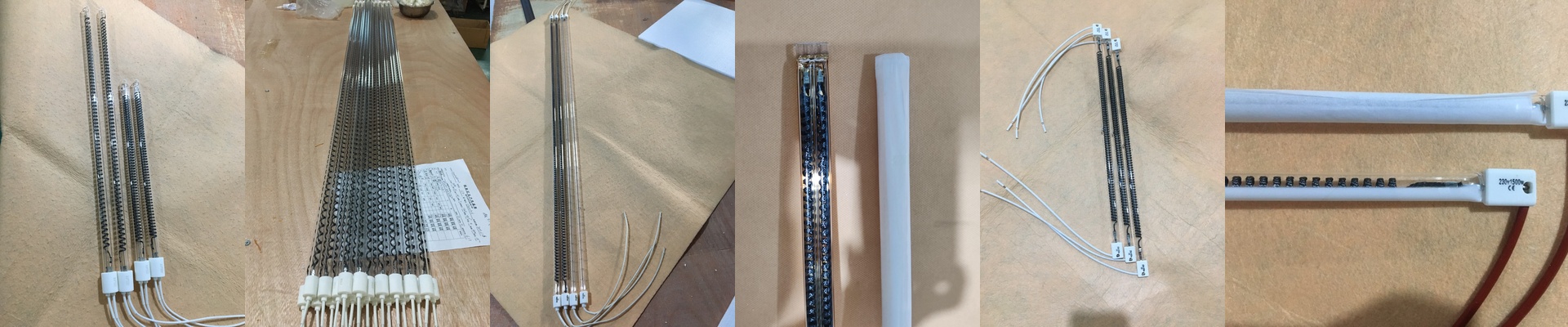
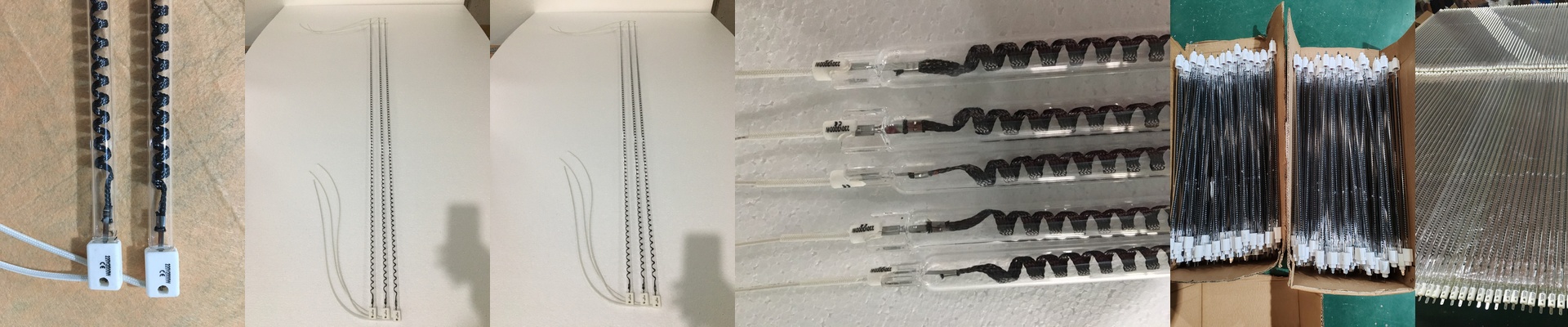
If you want to stop solder paste slump, you need to ramp up the heat fast. That’s why we lean on shortwave infrared emitters. They punch through the PCB substrate way quicker than convection ever could. But here is the trick: you have to balance the wattage against the length of the tube. If you cram high-wattage tubes into a tiny footprint, you get intense heat density. It’s great for speed. But it’s a double-edged sword. If your cooling fans aren’t beefy enough to handle the heat building up around the lamp housing, you’re just fast-tracking your way to a burnout.
Smart Control vs. “The Hunting Effect”
A heater is basically useless if the controller is garbage. We use digital PID controllers because they stop that annoying “hunting” effect you see with cheap thermostats—where the temperature just bounces up and down. By placing a K-type thermocouple just 2mm from the board, the controller can tweak the power in milliseconds. The result? A flat, steady thermal profile. If you try to do this with a basic on/off switch, you’ll get temperature swings of 10-15°C. That’s a great way to fry some delicate components.
The Real-World Trade-off
Here is the honest truth: you can’t have instant heat and a lamp that lasts forever. When you push a quartz tube to its max voltage, you get more heat, but you kill the filament. It’s a burnout waiting to happen. We usually suggest running your lamps at about 85% capacity. You lose a tiny bit of peak temperature, but you gain thousands of hours of life. It’s a simple choice between raw power and spending your weekend swapping out tubes. We prefer the steady throughput.