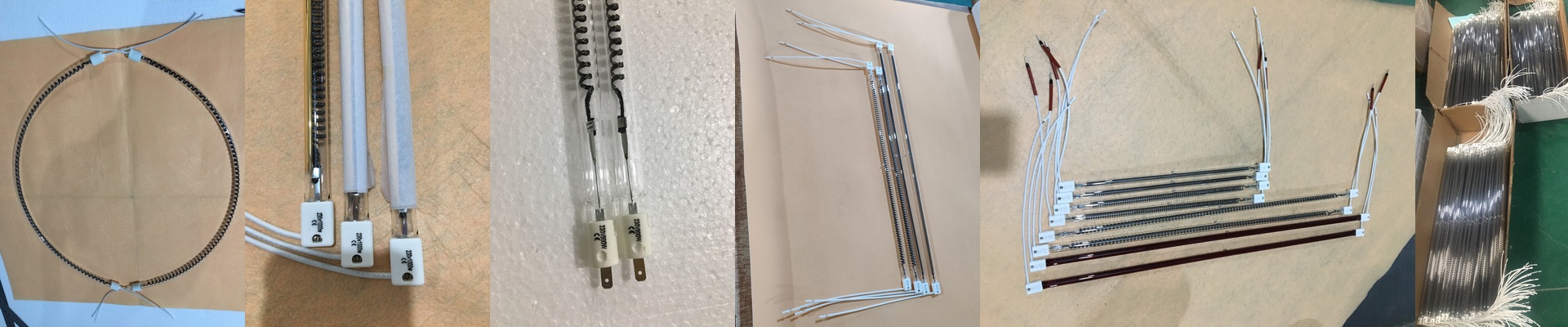
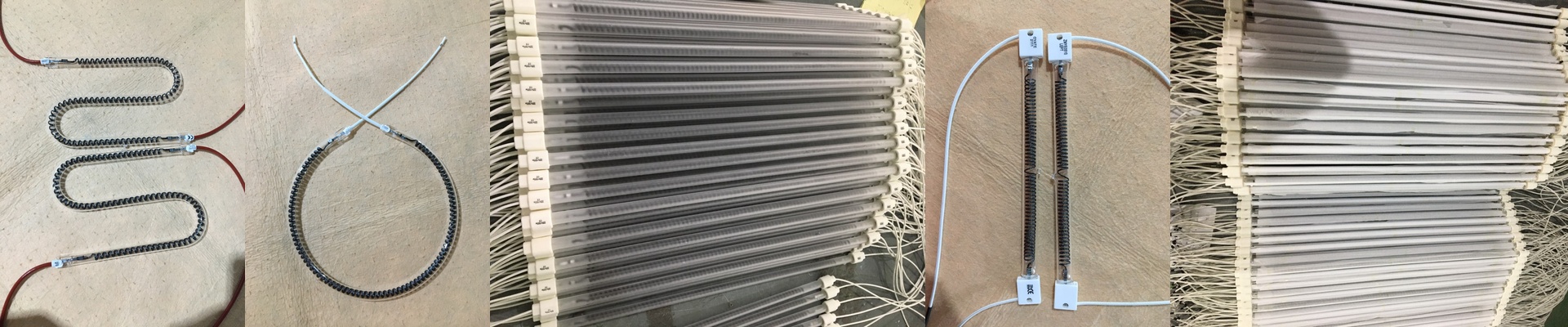
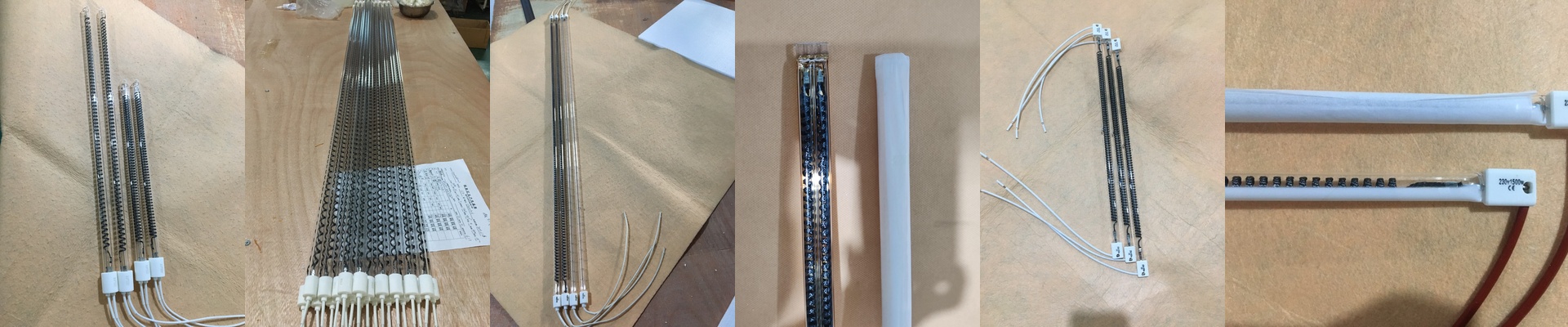
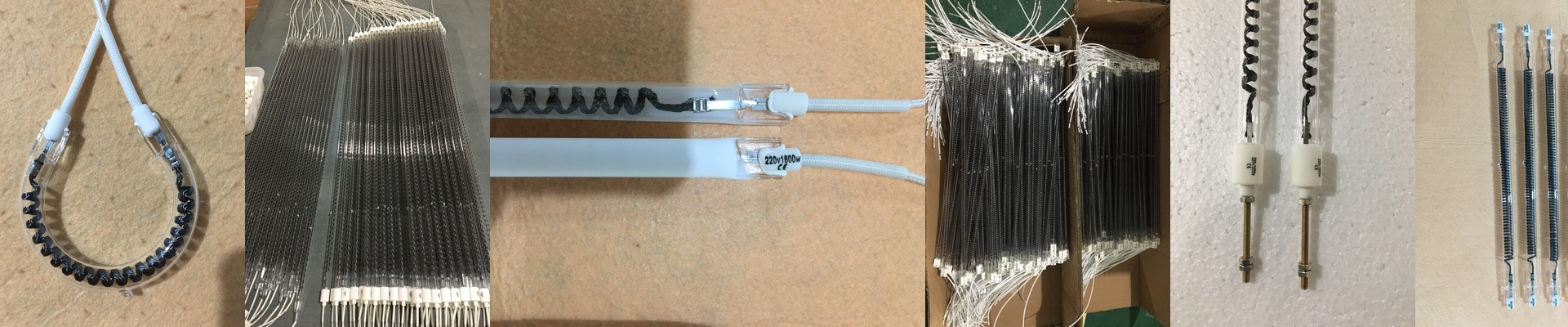
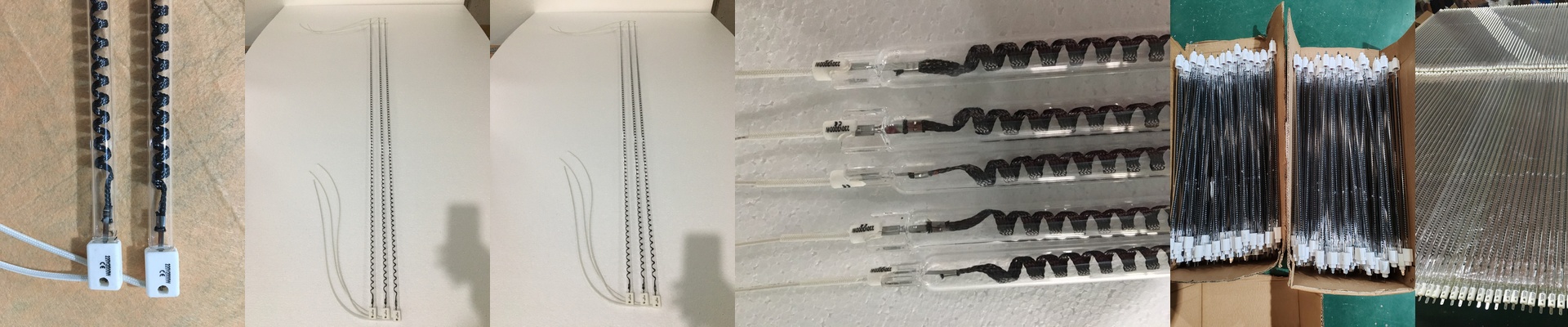
Let’s talk about Half-Gold Carbon Fiber IR Lamps
Look, we’ve all been there—trying to push a standard halogen tube to its limit only to have it give up on you. That’s exactly why we built these carbon fiber infrared lamps. Instead of sticking with tungsten, we went with carbon fiber. It changes the way the heat hits the material, letting it soak deep into the workpiece rather than just scorching the surface. The deal with the “half-gold” coating Here is the clever part. We coat half of the quartz tube in a thin layer of gold. Why? Because gold is a mirror for IR radiation. It bounces all that heat right back toward your target. You get a massive punch of heat on the front side, while the back stays protected. It’s a lifesaver for your machine’s chassis and wiring. You won’t have to worry about melting your cables or burning out your internals just to get the part hot enough. Why carbon fiber actually matters Carbon fiber can handle way more current than the old-school filaments. It’s tougher, too. You know that sinking feeling when a lamp pops during a power cycle? We hate that. These filaments don’t snap under thermal shock nearly as easily. It means you can crank the heat up—and kill it—much faster. It’s responsive. Getting them into your setup Most of the time, these are just drop-in replacements for your current heaters. You’ll probably want to wire them into a PID controller so things don’t get too hot. But a quick heads-up: because carbon fiber packs such a punch, that quartz tube gets hot. Fast. If your cooling fans are weak or your airflow is choked, you’re asking for the seals to fail early. Also, a pro tip: make sure your mounting brackets aren’t touching the quartz directly. A little bit of stress in the wrong place can lead to a crack, and nobody wants to deal with that mid-shift. Where these really shine You’ll see these doing the heavy lifting in PET blowing, plastic welding, and industrial drying lines. They’re perfect for those tight spots where you’re heating from one side and can’t afford to waste energy heating the air behind the lamp. Simple, efficient, and it just works.