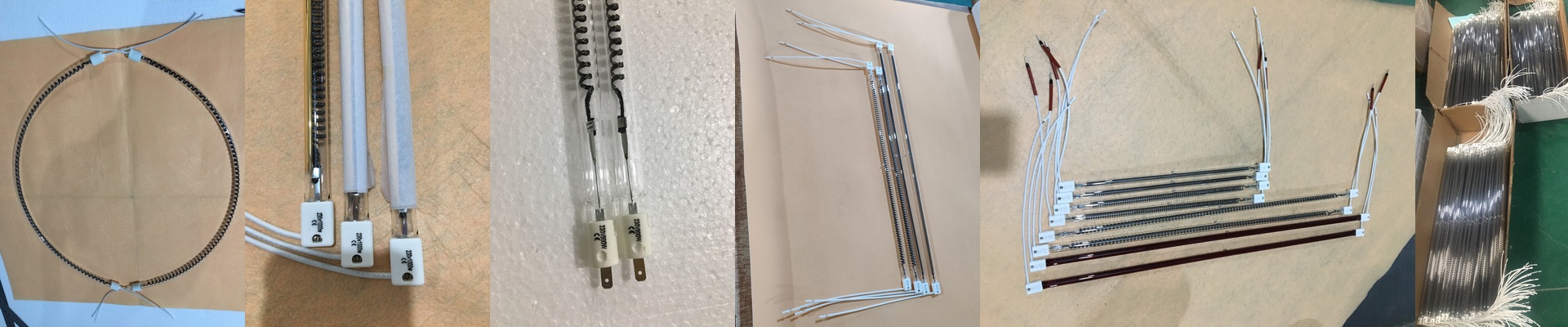
Stop Guessing With Your IR Lamps
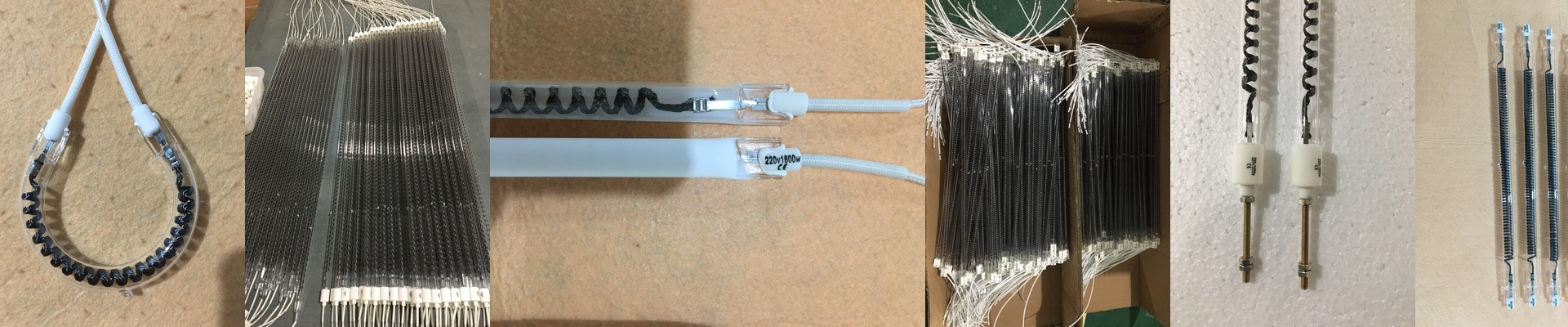
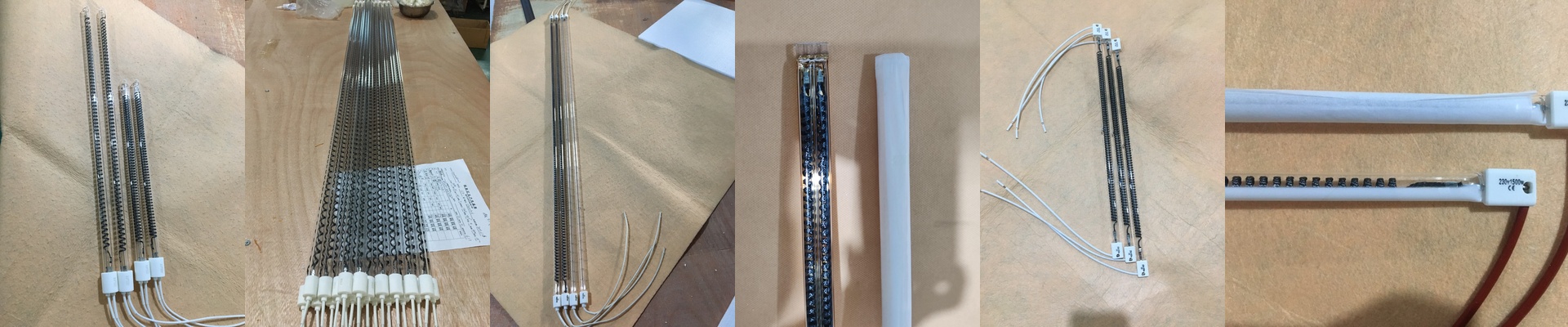
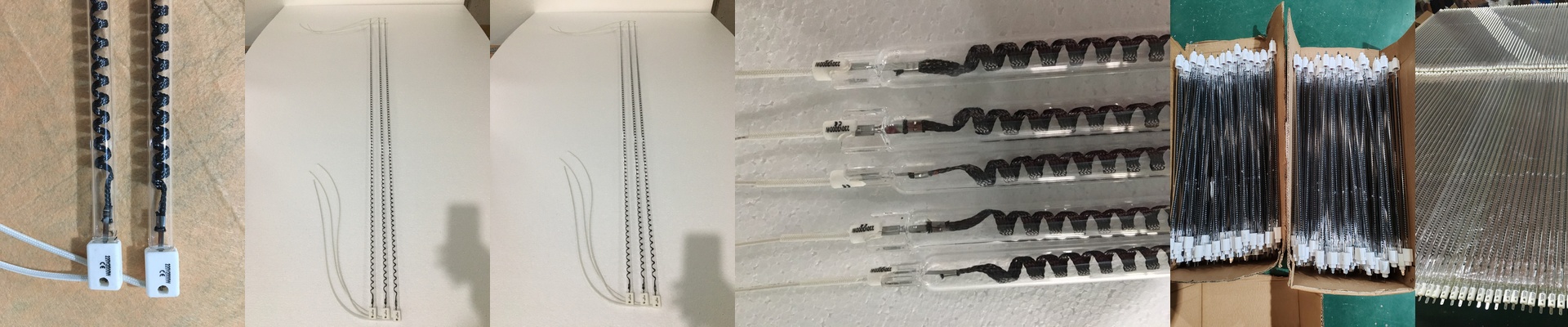
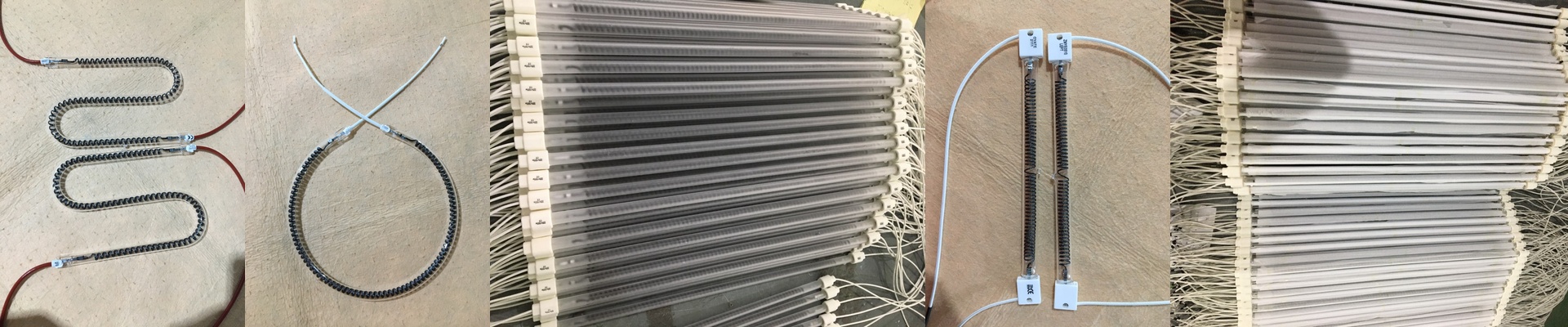
For a long time, most of us have treated infrared lamps in SMT lines like lightbulbs. You plug them in, set a timer, and just hope the heat hits the mark. It’s a “set it and forget it” approach. But let’s be honest—that’s a gamble. We’re finally moving toward lamps that actually talk back. Imagine IR tubes with built-in IoT sensors that tell you exactly how they’re doing in real-time. The problem with “dumb” heat Standard lamps run on a basic resistance loop. Simple, right? But things happen. Filaments thin out. Connectors get crusty with oxidation. When that happens, your heat density drops. The worst part? You usually don’t even know it’s happening. You only find out when boards start failing inspection or you spot cold solder joints. By then, you’ve already wasted a bunch of material. If we put sensors right into the housing, we can watch the wattage and spectral output as it happens. Instead of wondering why the boards look off, the lamp just tells the PLC, “Hey, I’m drifting. Swap me out.” It’s not as easy as it sounds Now, you can’t just toss a Wi-Fi chip next to a quartz tube hitting 500°C. It would melt in seconds. To make this work, we have to use heat-shielded telemetry or remote sensing. Yeah, it takes up a bit more room in the assembly. But it’s a fair trade. You lose a few millimeters of space, and in return, you stop getting blindsided by random burn-outs. What this actually feels like on the floor For the engineers, this is a huge relief. No more spending your shift dragging handheld probes around for manual thermal mapping. It’s tedious work. Instead, you just glance at a dashboard. You can see the heat distribution across the whole oven. If tube #4 is acting up, you don’t panic—you just schedule a swap during your next planned break. It turns a stressful, reactive nightmare into a simple checklist. We stop guessing and start knowing.