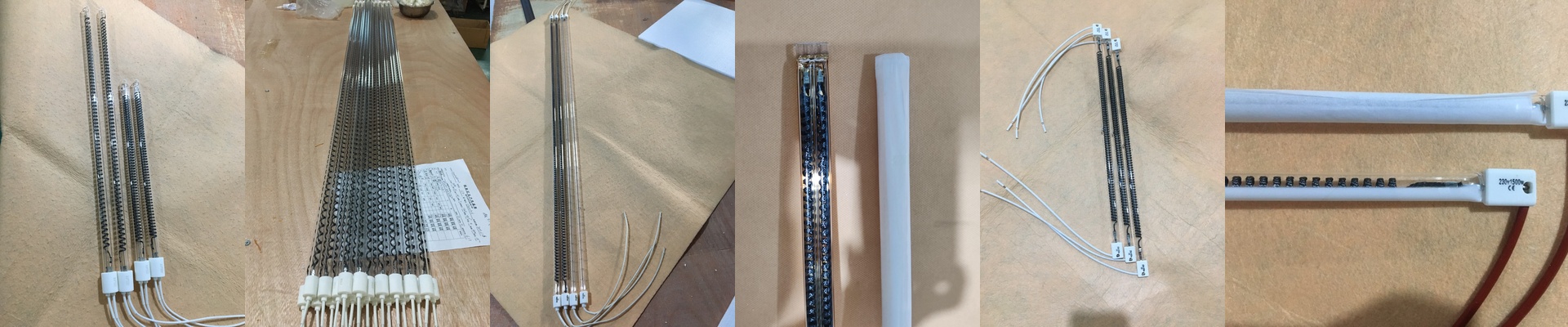
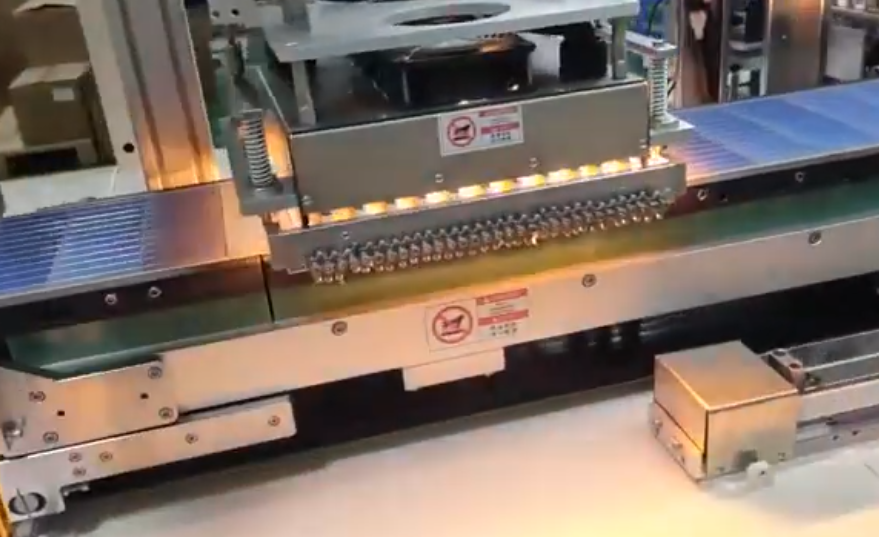
Why We Use IR Lamps Instead of Hot Air for BGA Repair
If you’ve ever worked on a smart lock PCB, you know the struggle. You’re trying to melt those tiny solder balls under a BGA package, but you’re terrified of accidentally cooking everything else on the board. Most budget stations just blast hot air at the chip. We do things differently. We use infrared (IR) lamps, and there’s a very practical reason for that.
Getting the heat where it actually needs to go
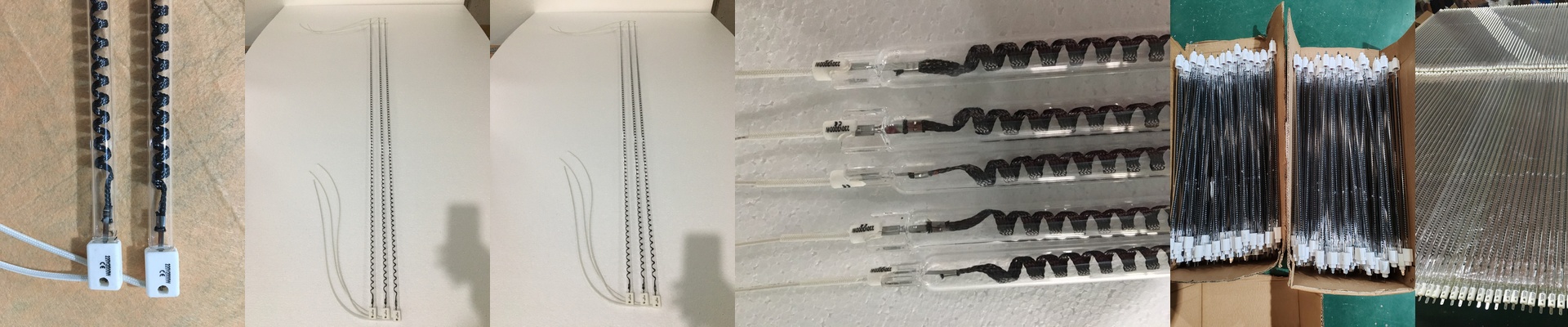
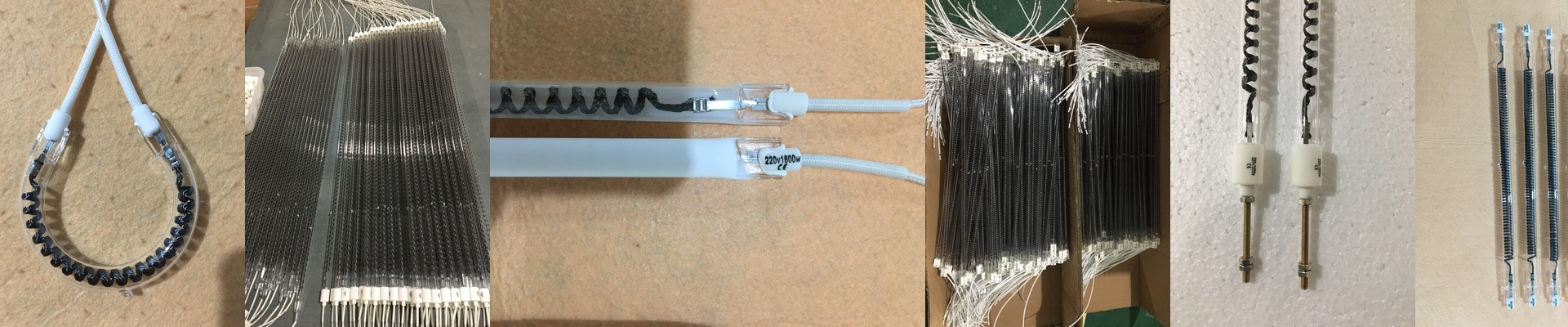
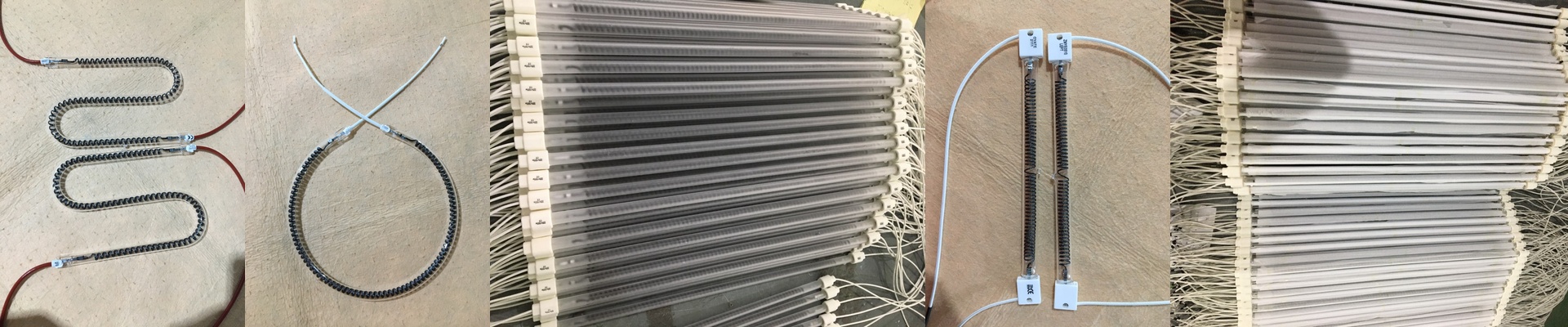
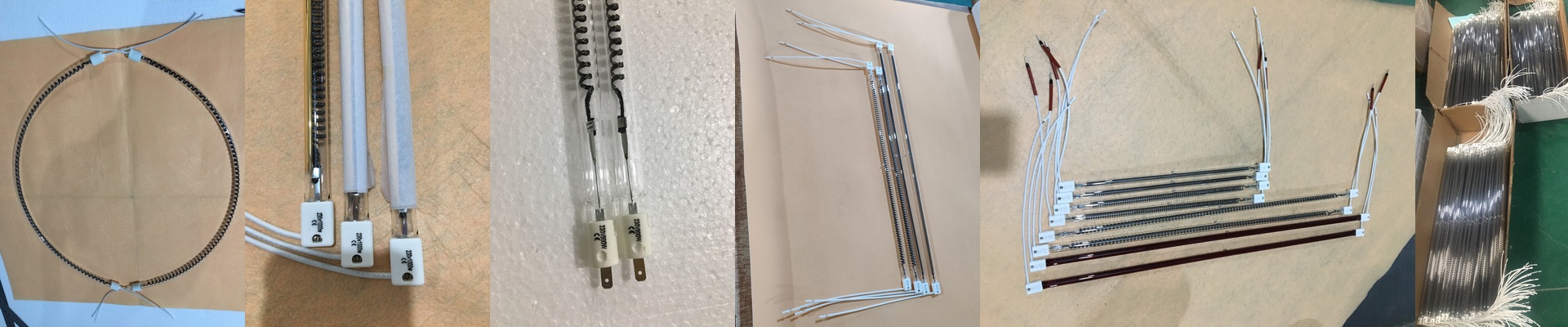
Think about hot air for a second. You’re relying on air to carry the heat. The problem is that air is messy. It creates this “boundary layer” where the heat just sits there, leaving you with uneven temperatures and a lot of guesswork. IR is different. It’s all about photons. These waves don’t need air to travel; they just move in a straight line and soak directly into the component. Since BGA packages are basically built to absorb this kind of energy, the heat goes straight through the package and hits the solder joints. It’s faster. You hit that melting point quickly, which means the board spends way less time in that “danger zone” where things start to warp and bend.
No wind, no chaos
One of the worst parts of using a heat gun is the wind. One wrong move and you’ve literally blown a tiny capacitor right off the board. With IR, there’s no wind. No turbulence. Just steady, dense heat in a small spot. It feels much more controlled. Now, it’s not perfect. You have to deal with the “shadow effect.” If a tall component is standing in the way, it blocks the light, and the area behind it stays cold. To fix that, we usually use a pre-heater to get the whole board warm before we go in for the final hit.
The real-world difference for smart locks
Smart lock boards are incredibly cramped. If you use a heat gun, you’re risking melting the plastic housing or knocking off nearby resistors. Using IR lets you pinpoint the BGA chip. It’s a much cleaner process. The board stays flat, the joints bond properly, and you aren’t just blowing heat across the top of the chip and hoping for the best. You’re actually driving the heat into the joint. It just works better.