Stop Fighting Your PCB Heating Station
Let’s be honest: most PCB heating stations you find online are just basic rework tools. They’re fine for a hobbyist, but they fall apart when you’re dealing with high-density industrial boards. We spent ten years getting away from those generic, off-the-shelf parts. We wanted something that actually worked—something that could stand toe-to-toe with the expensive international brands without the ridiculous price tag.
Getting the heat right
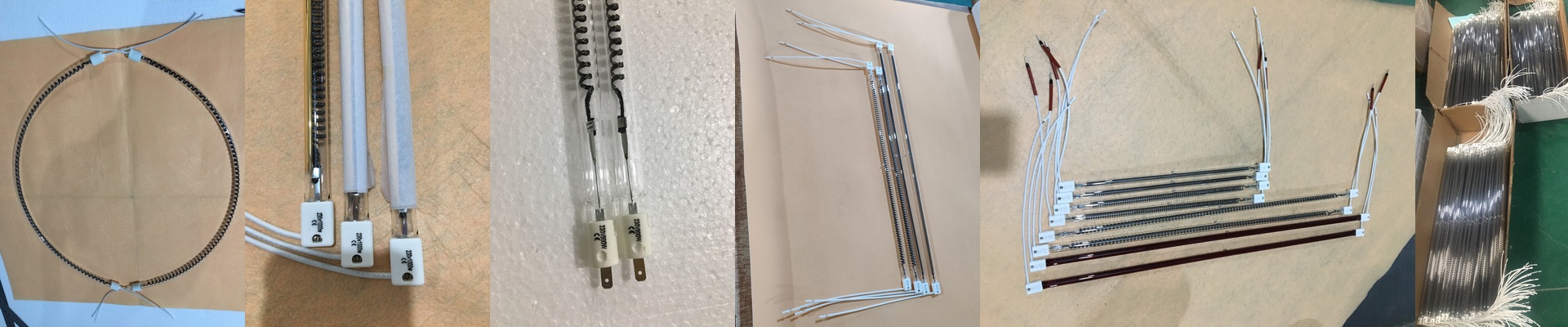
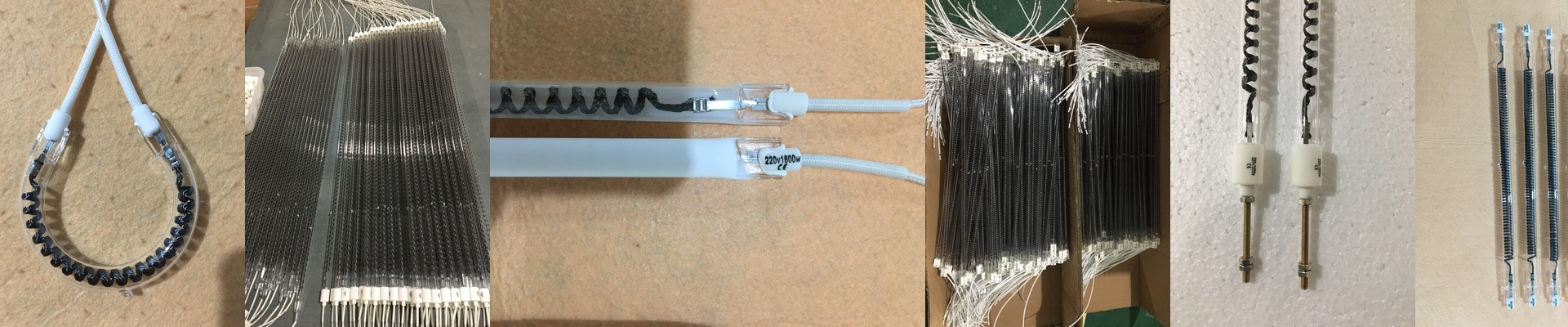
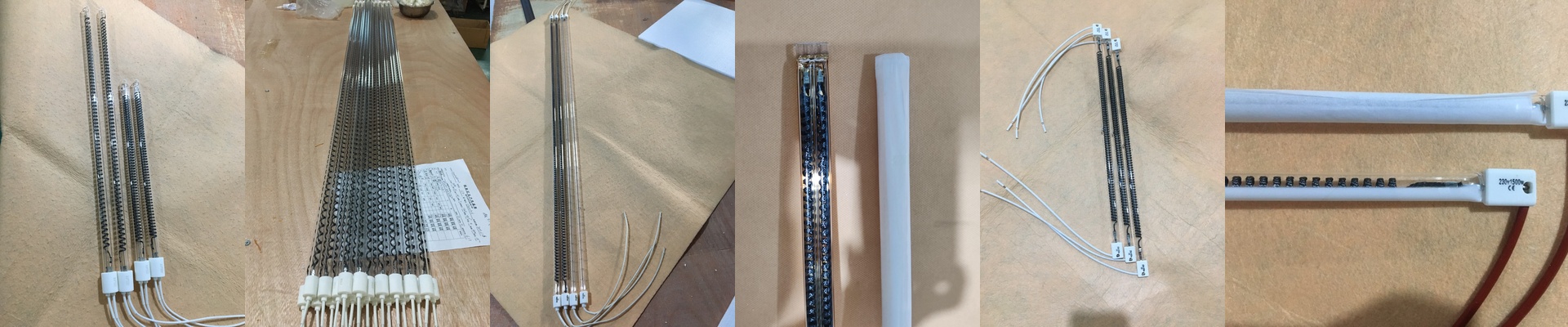
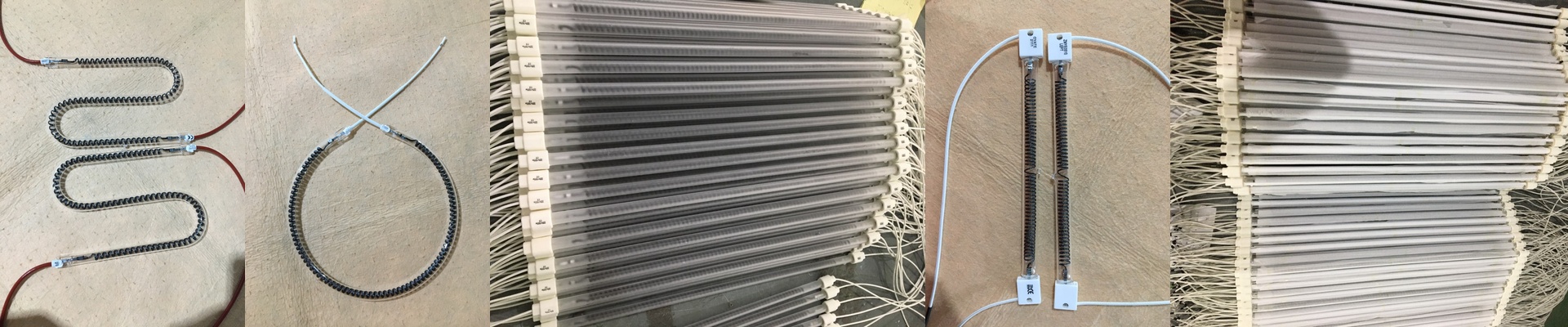
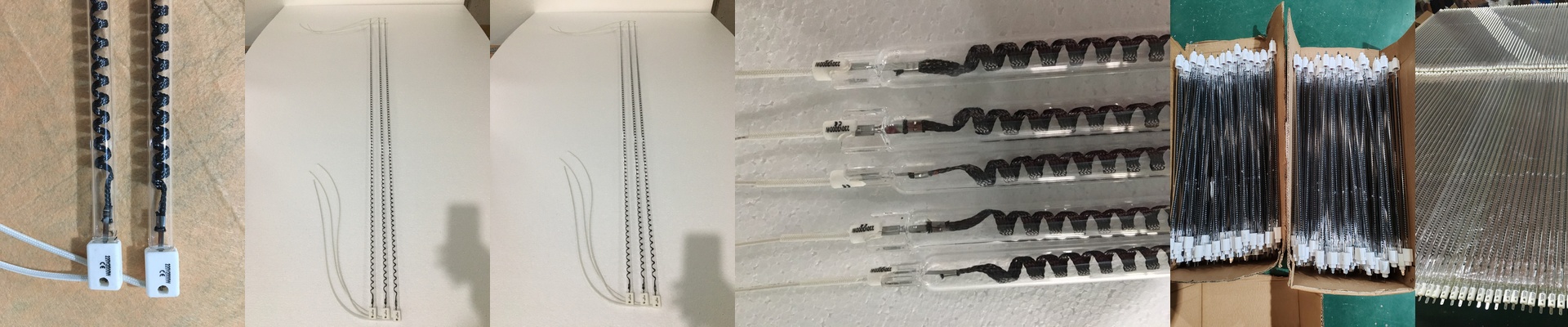
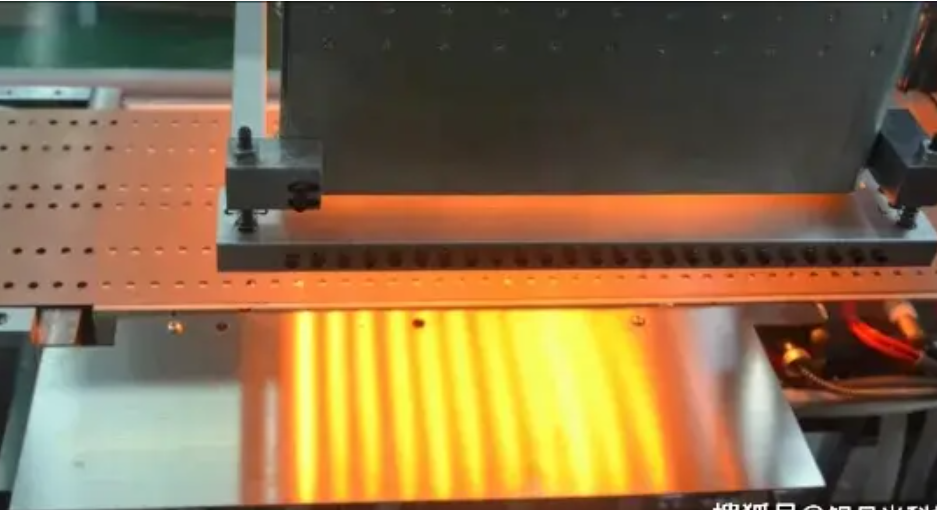
Here is the thing about IR lamps: it’s not just about how hot they get. It’s about how that heat actually hits the board. If you just blast a board with heat, you’ll scorch the solder mask. We used high-purity quartz and precision-wound filaments to make sure the heat spreads evenly. Why? Because if your heat distribution is off by even a few millimeters, you get hot spots. And hot spots lead to delaminated boards. Nobody wants to explain to a client why their multi-layer PCB just peeled apart.
The guts of the machine
We used digital PID controllers to stop that annoying “overshoot” where the temperature spikes past your setting. We also spent a lot of time tuning the ramp-up speeds. You can’t just shock a board with heat; you have to ease into it. If you’re already running a production line, these should slide right in to replace your old analog units. We even beefed up the connectors. High-current draw can actually melt plastic housings during long soak cycles, so we used reinforced parts to make sure that doesn’t happen.
A quick heads-up for the shop floor
One thing to watch out for: these high-wattage lamps get hot fast, but they pull a lot of power. Make sure your circuit can handle the initial surge when you first flip the switch. We’ve had a few users skip this check, only to trip their breakers the second they started working. Just a pro tip—check your power supply first. These stations are built for the grind—heavy desoldering and curing. By tweaking the infrared wavelength, we’ve managed to hit the liquidus temperature of lead-free solder much faster. It means you spend less time waiting and you stop ripping pads off the board. It just works.