Getting the Heat Right for Smart Meter PCBs
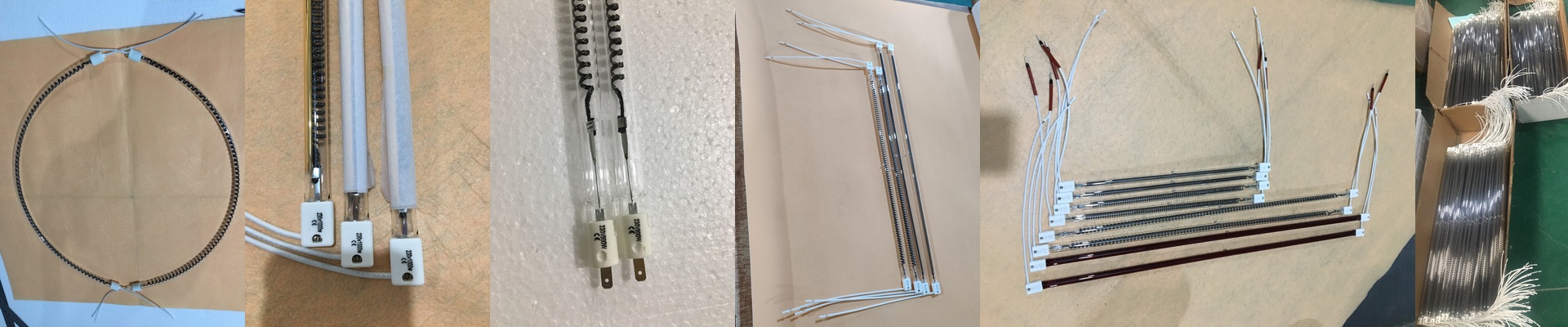
If you’ve ever worked with smart meter PCBs, you know the struggle. Curing and soldering are a balancing act. You need enough heat to get the job done, but one wrong move and you’ve fried a sensitive component or warped the board. That’s where our IR heating lamps come in. They aren’t just “heaters”—they’re designed to hit those exact temperature targets without turning your assembly line into a disaster zone.
The Trick to Speed and Control
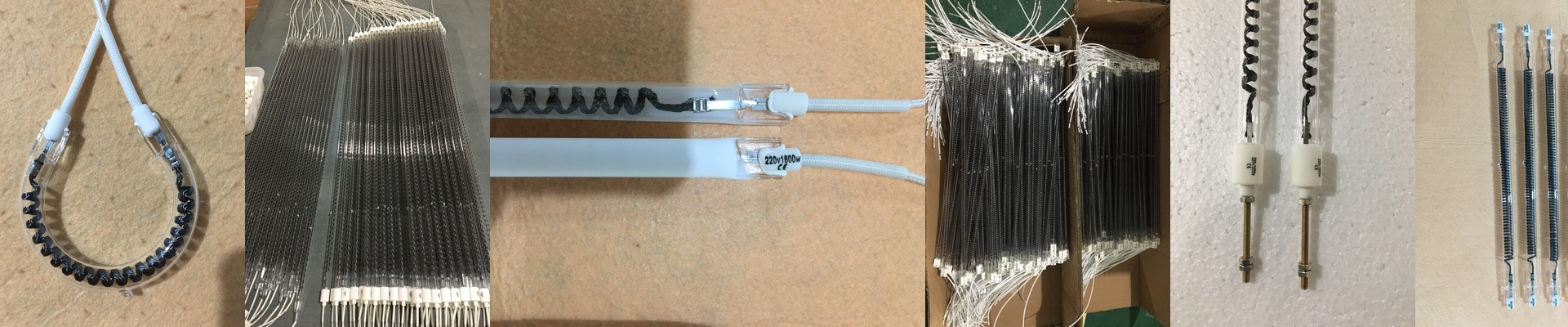
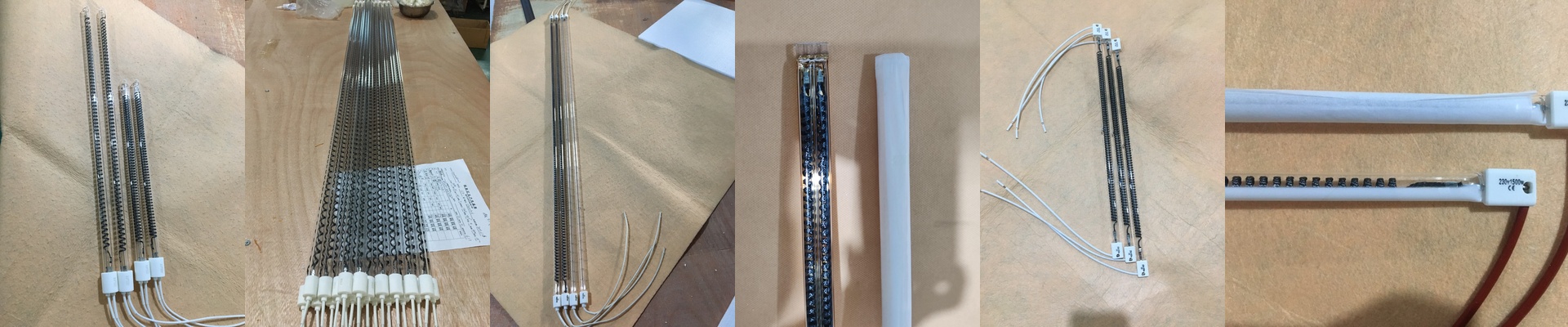
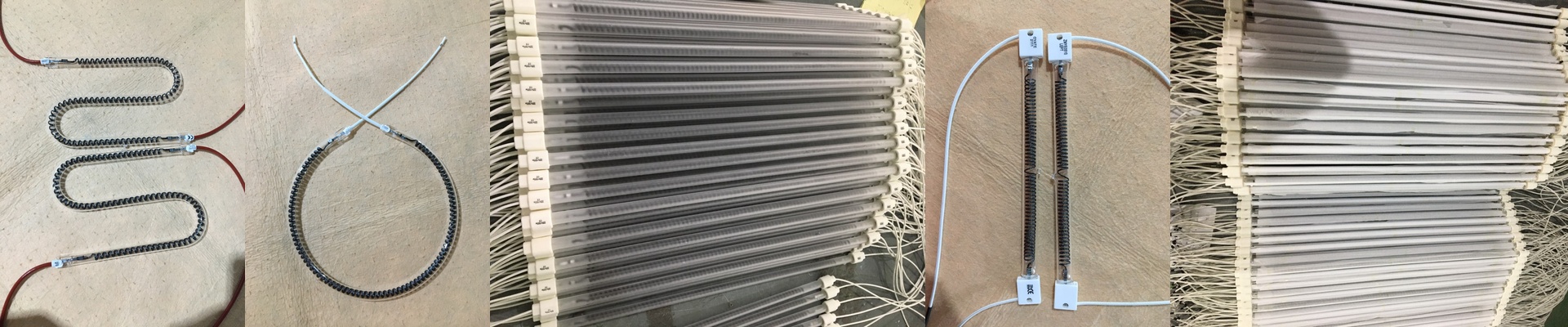
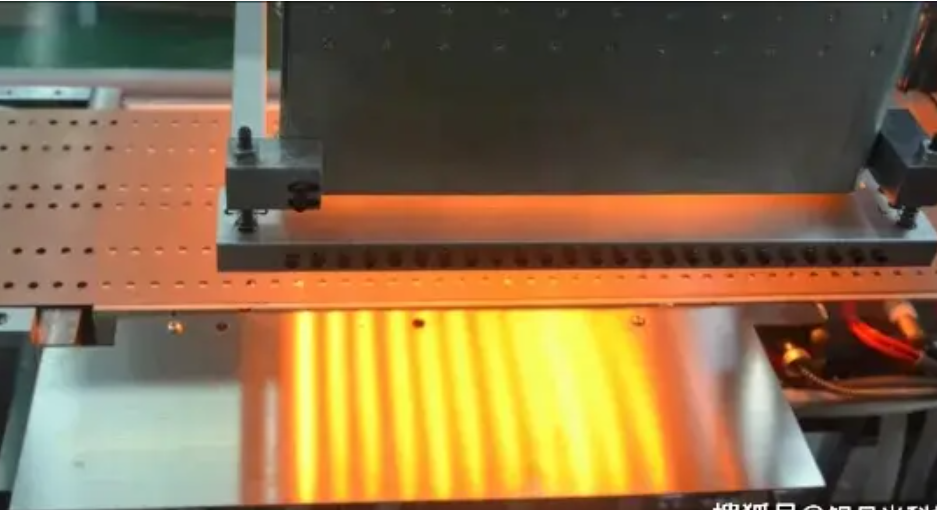
We lean heavily on shortwave IR emitters for this. Why? Because shortwave energy punches through the board substrate way faster than medium-wave options. It means your boards spend less time in the oven. Period. But here’s the thing: you can’t just throw wattage at the problem. You have to balance the power against the actual footprint of your board. High-wattage quartz tubes are great for a fast ramp-up, but your conveyor speed has to be perfectly in sync. If a board lingers under the lamp for even a few seconds too long, you’re looking at a ruined solder mask or a bent PCB. Not a great way to start the morning.
The Nitty-Gritty Stuff
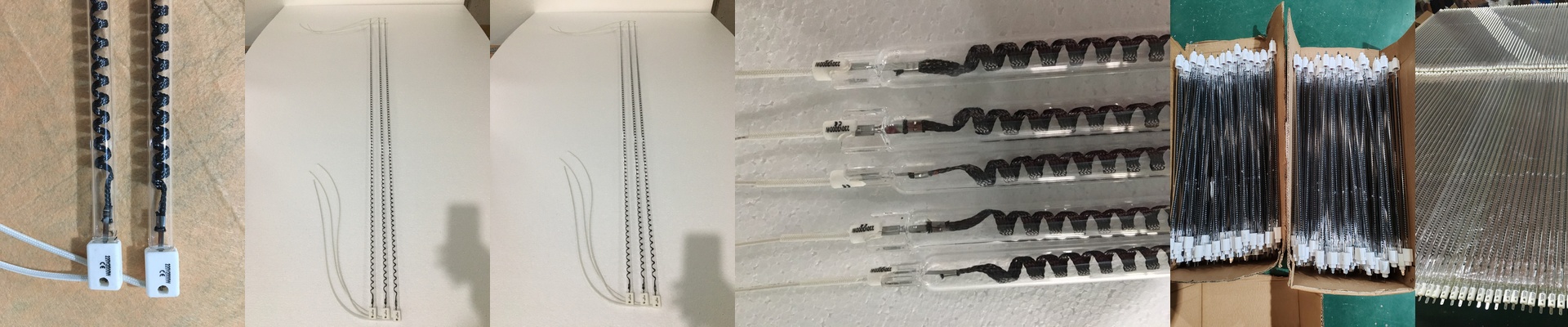
We use high-purity quartz glass because it lets the heat through without blocking it. Plus, we fill most of our lamps with halogen gas. It keeps the filament from burning out too quickly and keeps the heat steady. As for the plugs, we stick to the basics—R7s or SK15 connectors. They’re simple, they work, and they usually slide right into your existing arrays without any fuss. And if you’re using a dark solder mask? Those absorb heat differently. We can do coated tubes to tweak the wavelength so you don’t end up with hot spots.
Real Talk on Trade-offs
Let’s be honest: no piece of hardware is a magic fix. High-intensity lamps are fast, yeah, but they create intense, localized heat. If you don’t have a solid cooling zone to bring the temperature down before the next stage, you’re just moving the problem down the line. We don’t just put a lamp in a box and ship it. We’ll sit down with you and crunch the numbers on your thermal load. We want to make sure the heat spreads evenly across the board and—more importantly—that your equipment doesn’t burn out.