Putting Your Car Electronics Through the Ringer with Custom IR Lamps
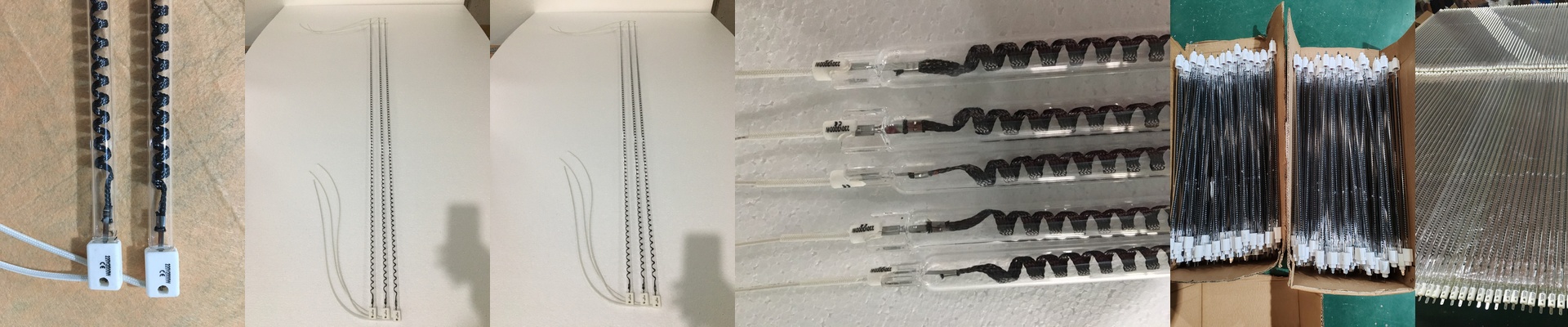
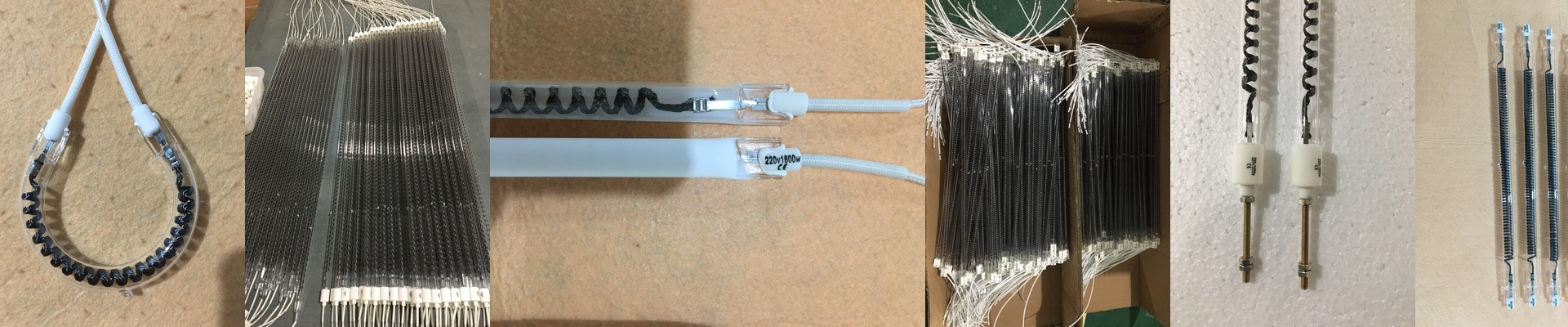
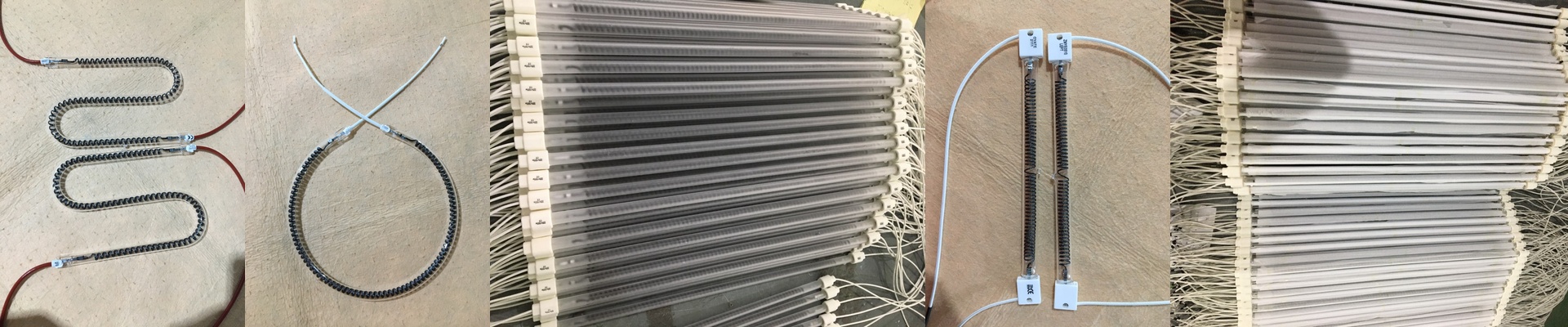
Let’s be honest: the inside of a car is a brutal place for electronics. Between the baking sun on the dashboard and the oven-like heat of the engine bay, your components are basically fighting for their lives. That’s why we build custom shortwave infrared (IR) lamps. Now, if you’ve used a convection oven before, you know the drill—you heat the air, and the air heats the part. It’s slow. Our IR lamps are different. They hit the surface of the component directly. It’s fast. Really fast.
Getting the Heat Right
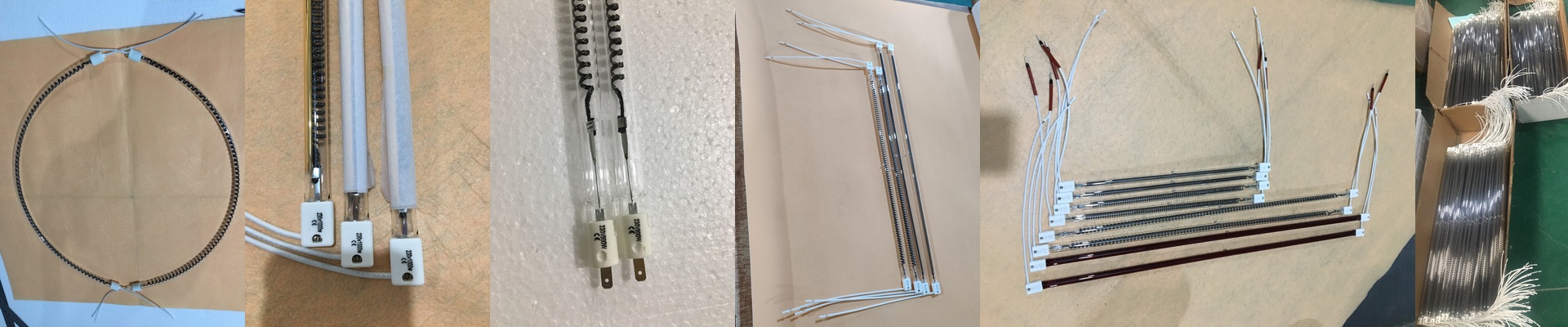
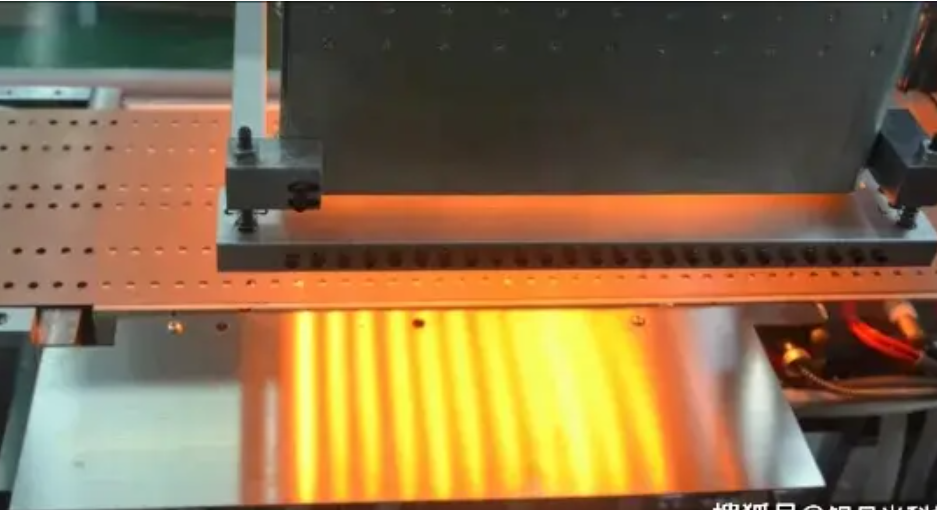
If you want to mimic a dashboard in July, you need raw power. We’re talking high wattage and precise voltage so the heat is steady across the whole surface. When you’re pushing 2000W+ into a small space, the ramp-up is almost instant. You hit your target temperature in seconds, not minutes. Just a heads-up, though: that kind of power puts a lot of stress on your power supply. Make sure your circuitry can handle that initial surge, or you’re going to have a bad day.
The Gear Under the Hood
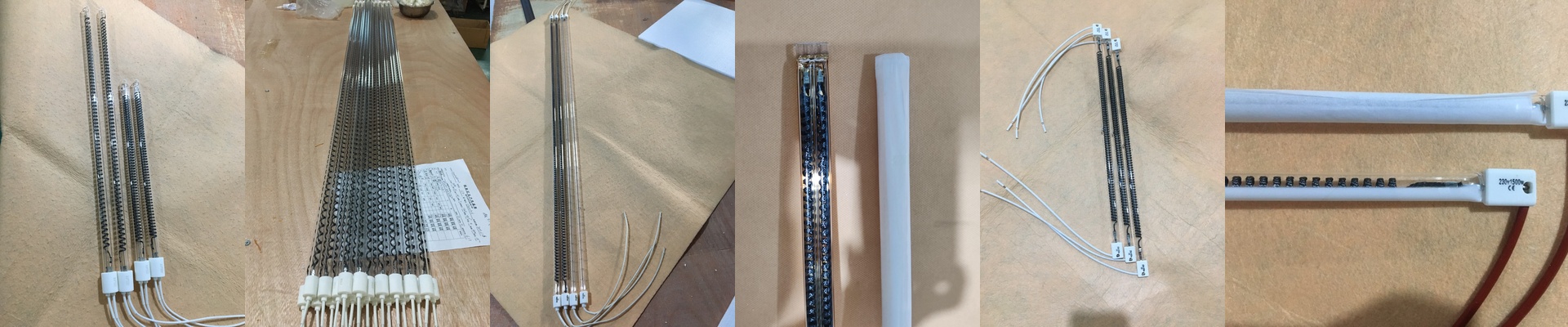
We use high-purity quartz glass for the tubes. Why? Because standard glass would just warp or crack under this kind of thermal stress. We also add specialized coatings to the lamps. These shift the light spectrum so it actually feels like solar heat or the specific ambient warmth required by industry standards. Plus, we use heavy-duty connectors. When you’re running endurance tests for days on end, the last thing you want is a burnt-out contact point killing your progress.
Finding the Breaking Point
This is where it gets interesting. You drop these lamps into an endurance chamber to find exactly where a PCB gives up or a plastic housing starts to warp. By tweaking the distance and the timing, you can basically simulate years of wear and tear in a few weeks. And because IR heat is directional, you can get creative. You can bake one side of a module while keeping the back cool. That creates the kind of thermal tension you see in real-world driving. It’s the best way to spot solder joint fatigue or component drift before the parts even touch the assembly line.