Stopping Your Infrared Lamps From Giving Up the Ghost
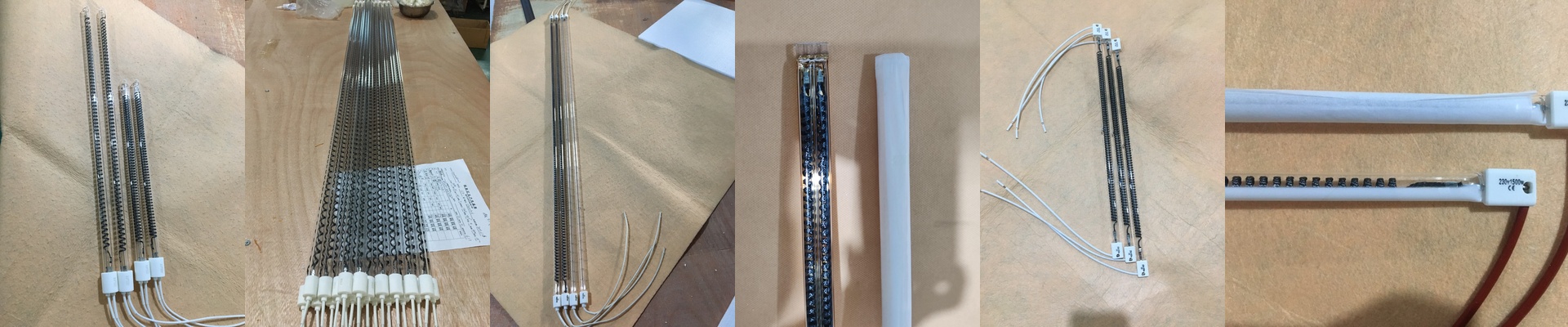
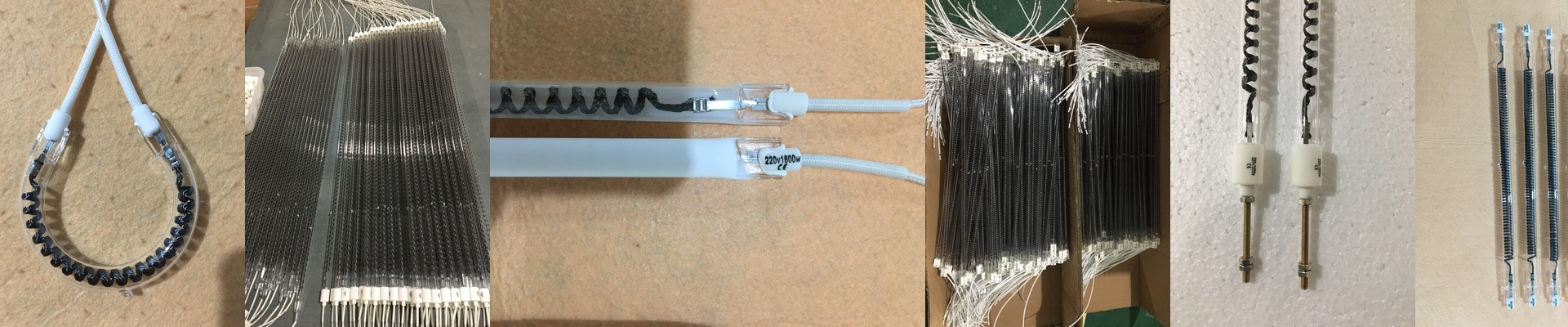
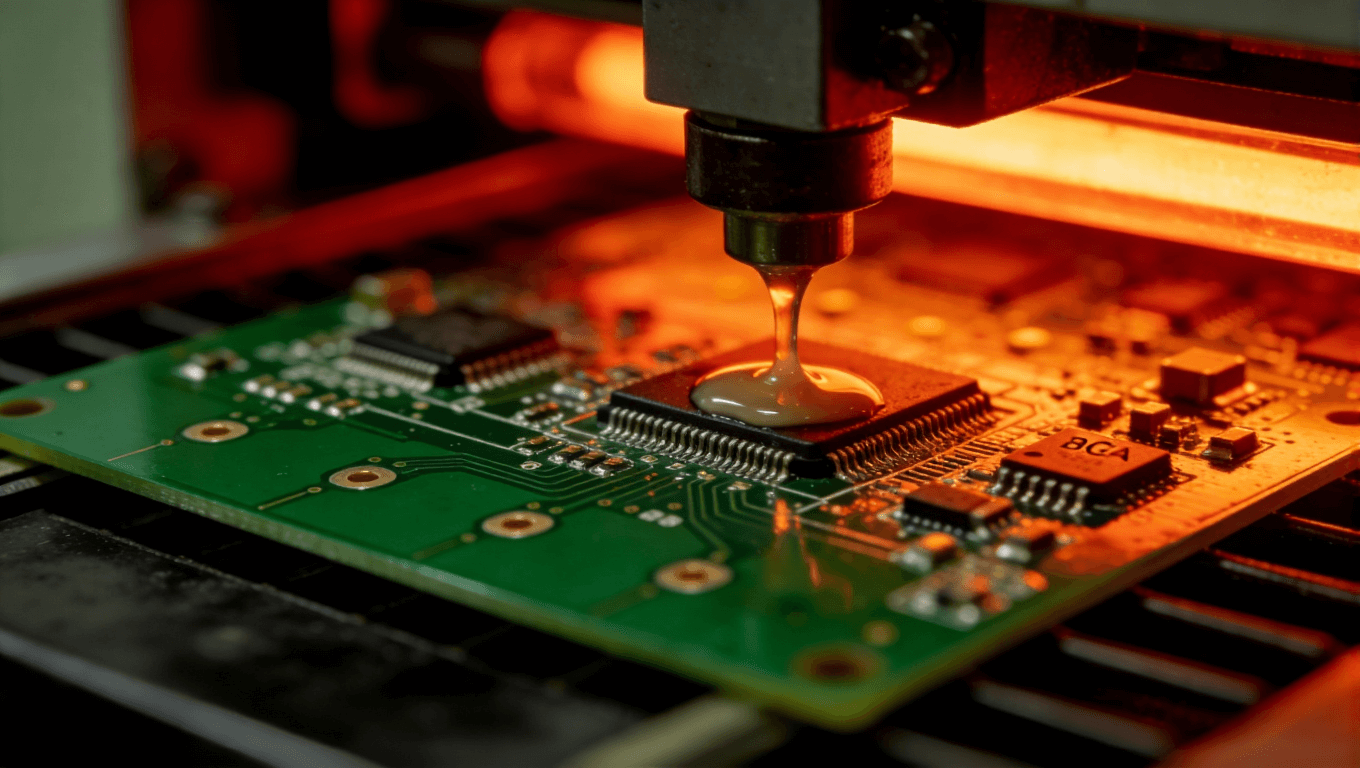
If you’ve ever tried to repair a smartwatch, you know the struggle. You need enough heat to melt the adhesive, but just a little too much and you’ve cooked the OLED screen. It’s a tight window. We use shortwave infrared lamps to get the job done, but the real headache isn’t the heat itself. It’s the pulsing. Think about it: these lamps are firing off rapid-fire heating cycles. The material is constantly expanding and contracting, over and over. If the filament support isn’t built for that kind of abuse, the lamp is just going to warp or snap.
The Fight Against “The Sag”
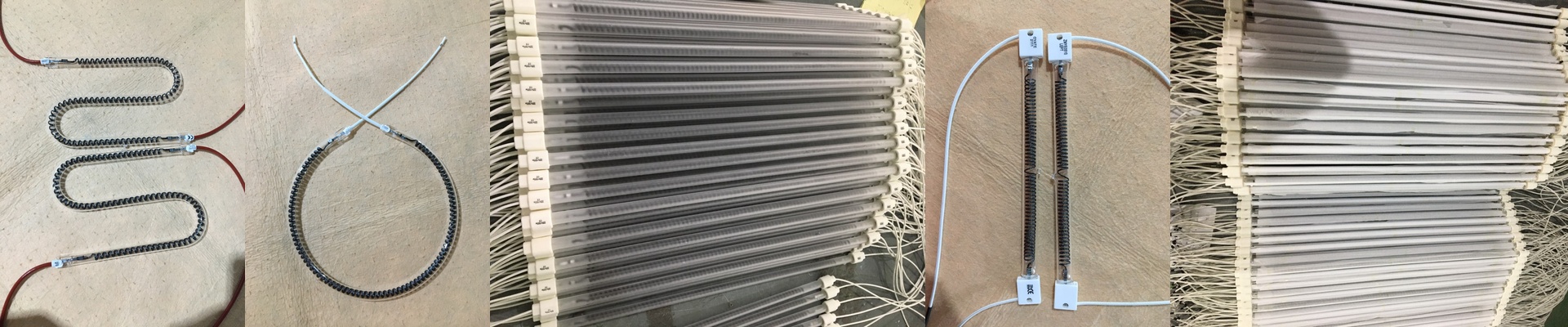
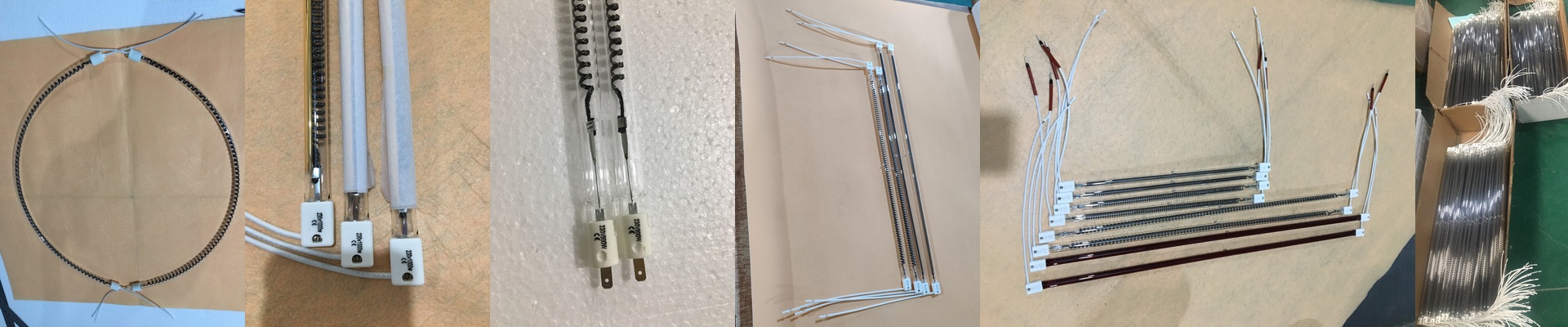
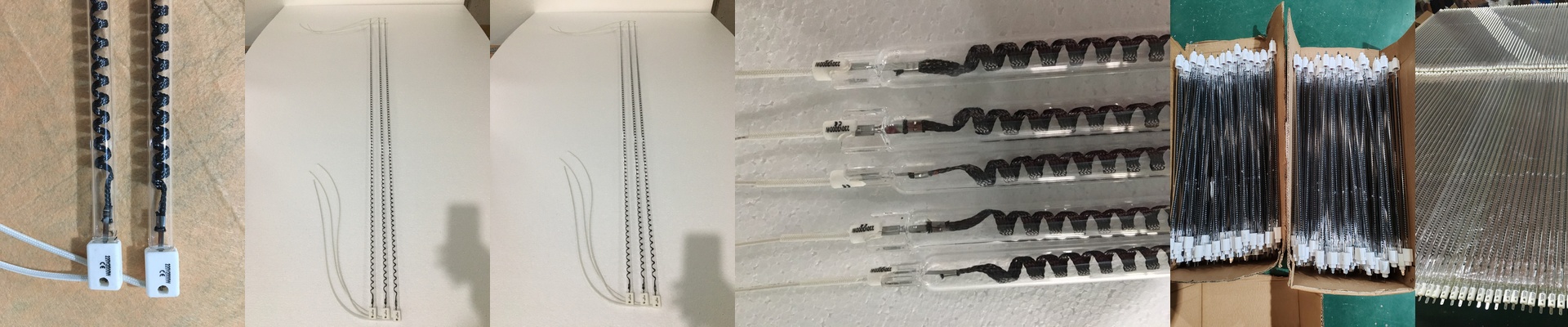
Every time you hit that flash-heat cycle, the tungsten filament spikes in temperature instantly. That creates a massive amount of mechanical stress. Our main goal is to keep the filament bracket from hitting its fatigue limit. Why? Because if the tube bows, your focal point shifts. Suddenly, you’re blasting the watch casing with heat while the adhesive strip stays ice cold. Not a great look. We put these brackets through the wringer—tens of thousands of cycles—looking for “creep.” That’s just a fancy way of saying the support structure is slowly giving up and losing its shape. Once that bracket loses tension, the filament sags. And once it sags, you get hot spots that can blow the whole tube.
The Balancing Act
To handle the thermal shock, we go with high-purity quartz for the envelope. We also make sure the bracketry expands and contracts at the same rate as the quartz. This keeps the lamp from cracking at the seal when things get scorching. It gives you incredible heat density, but there’s a catch. These high-wattage, short-tube setups get absolutely brutal at the contact points. You’ve got to make sure your housing has plenty of airflow. If those ends overheat, your connectors will fry, no matter how tough the filament is.
What This Actually Means for You
For the person actually doing the repair, this just means the lamp stays calibrated. You won’t find yourself fiddling with the height of your heating head every single week because the tube warped. It’s a drop-in replacement that actually holds its shape, even in a busy shop where the gear gets hammered all day.