Why you should stop using hot air for BGA rework
If you’ve ever tried pulling a BGA chip with a cheap hot air station, you know the struggle. It feels like a fight. You’re basically just blowing a hairdryer on a piece of silicon, praying that enough heat actually makes it through the chip to melt those tiny solder balls hiding underneath. Most of the time? It just doesn’t happen.
The magic of IR
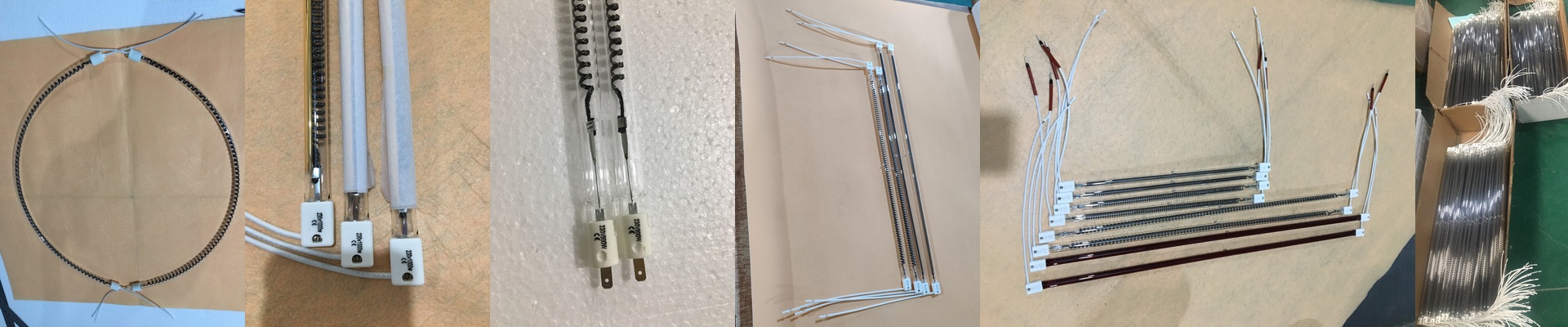
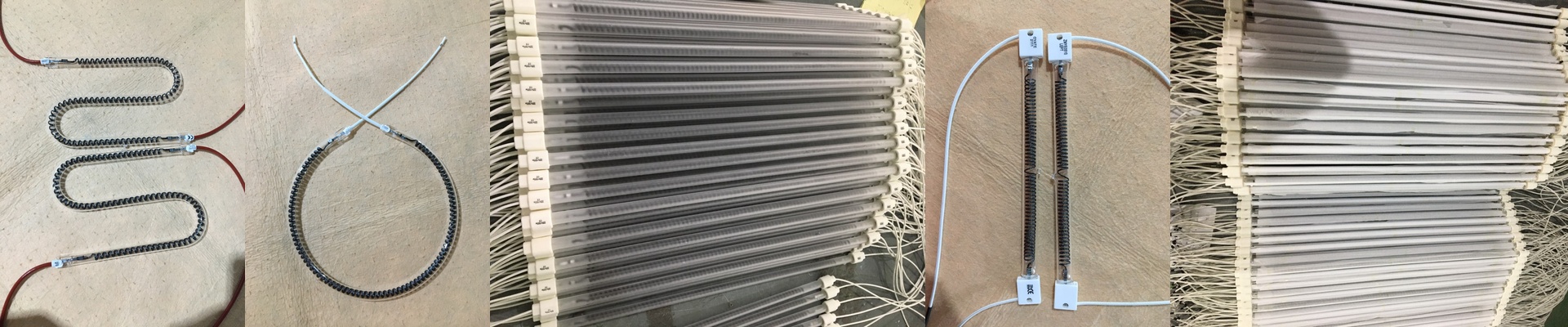
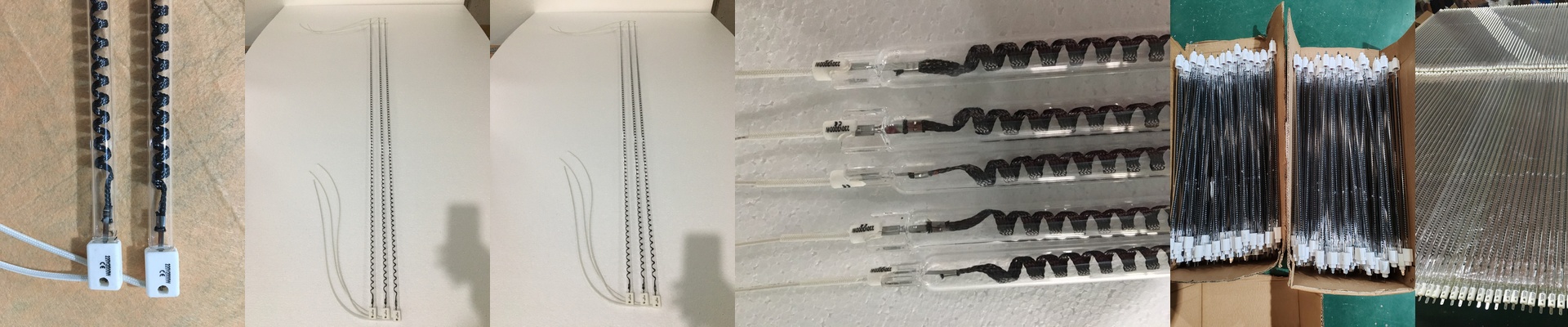
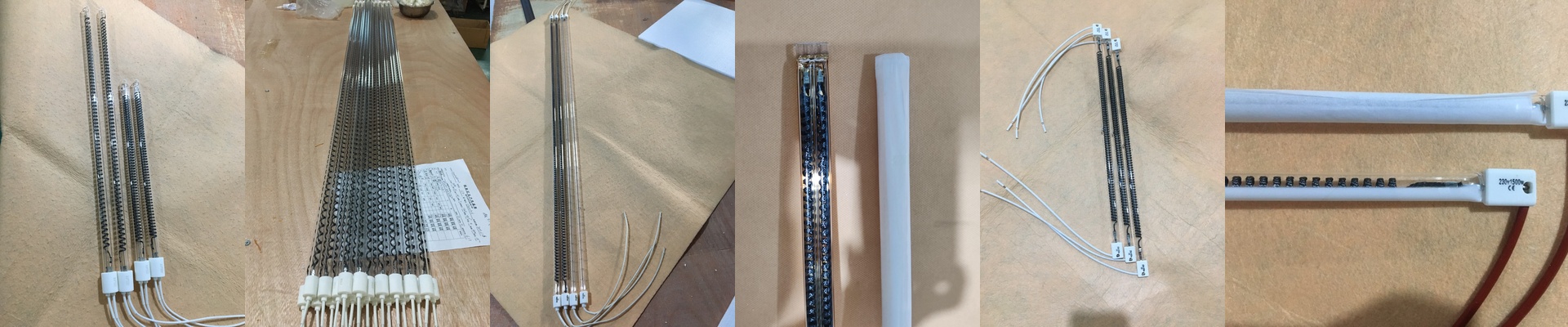
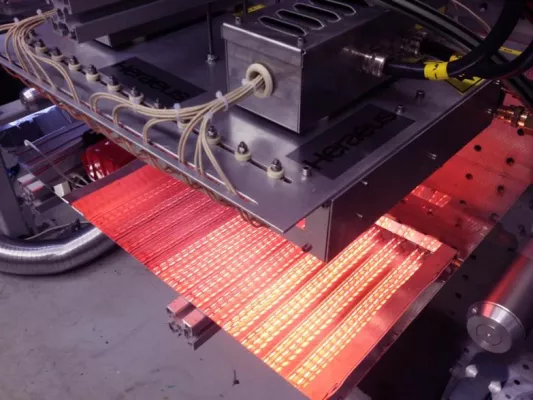
Infrared heating is a totally different beast. Instead of heating up the air around the board, IR sends waves straight into the component. Think of it like this: the energy actually gets inside the PCB and the solder itself, making the molecules vibrate. It heats the joints from the inside out. This is huge because it stops that dreaded “popcorn effect” where the chip cracks because the surface got scorched before the bottom even got warm.
Why hot air usually fails you
Here’s the thing about hot air: it creates a “boundary layer.” It’s this thin film of air that basically acts like a shield, blocking the heat from getting where it needs to go. To fight that, most people just crank the dial up to 400°C. But that’s a dangerous game. While you’re trying to get the joints to 220°C, you’re risking blowing those tiny SMD components right off the board like confetti. With a digital IR station, that shield is gone. The heat goes exactly where it belongs. You can hit the melting point of the solder without turning your expensive FR-4 board into a burnt piece of toast.
The catch
Now, IR isn’t perfect. It’s fast—really fast—but it’s “blind.” Unlike hot air, you can’t really feel the heat flow moving across the board. Plus, if your emitter isn’t dialed in for the color or reflectivity of your specific PCB, you might end up with some nasty hotspots. You can’t just wing it. You’ll need a thermocouple or a thermal camera to make sure the soak is even. If you don’t profile your heat, you’re just cooking the board in a fancy way.