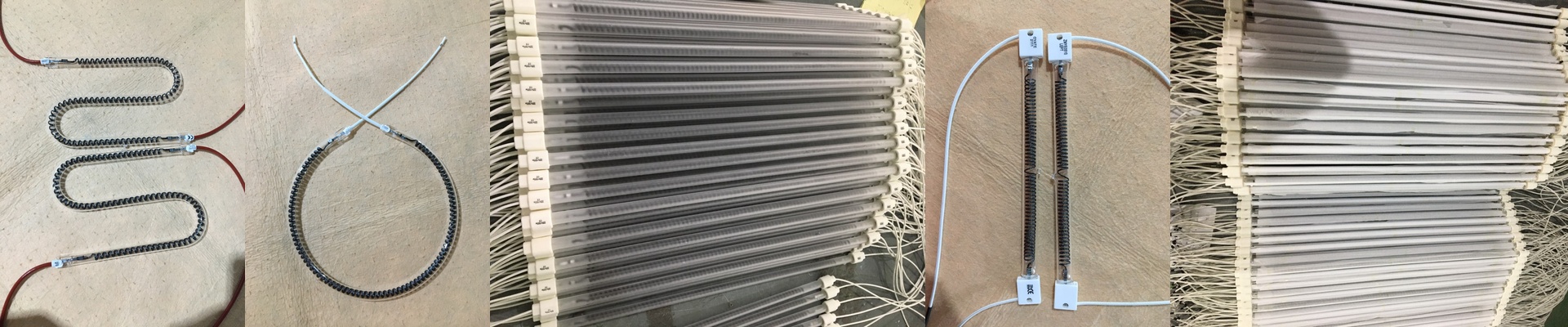
Getting Your IR Lamps and Adhesives to Actually Talk to Each Other
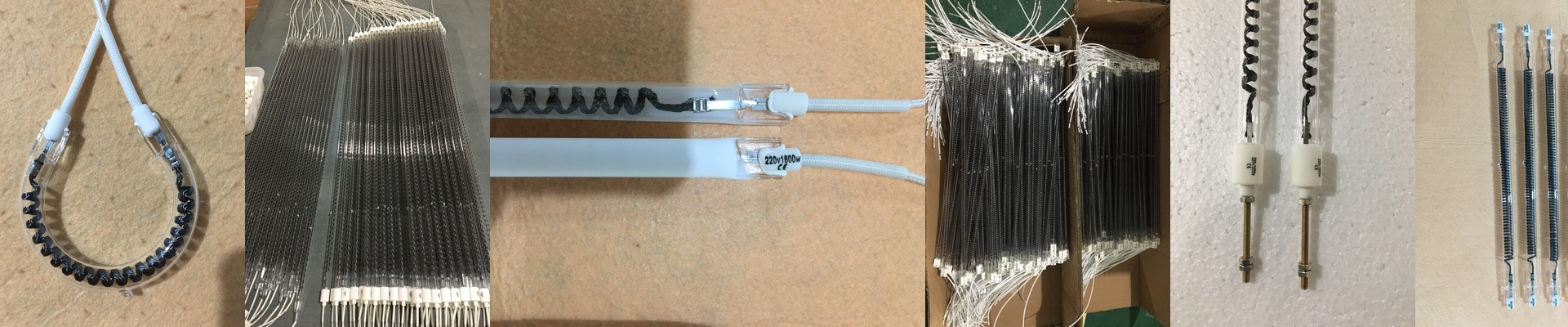
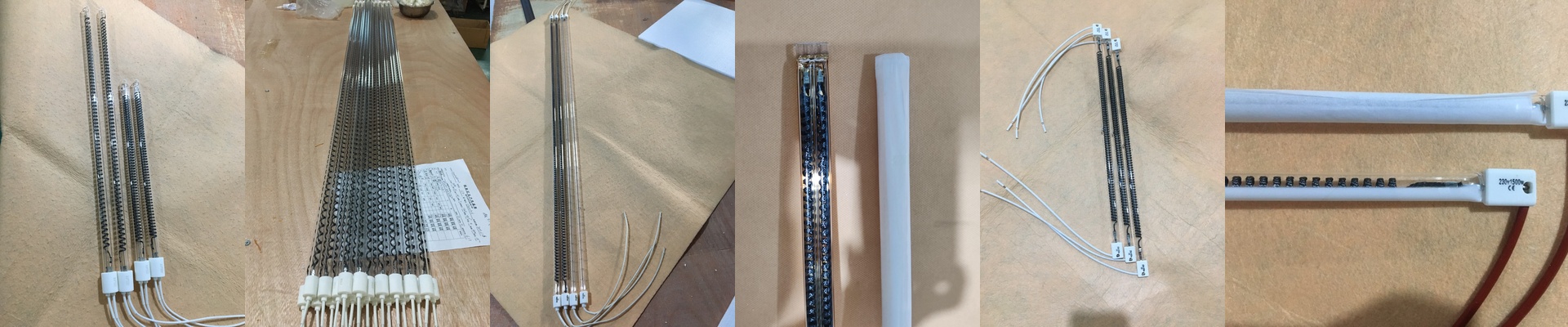
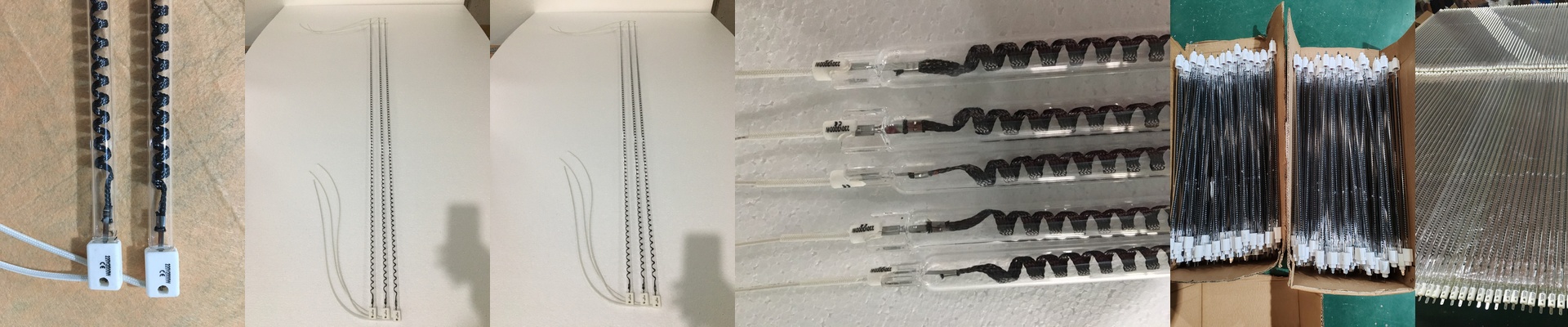
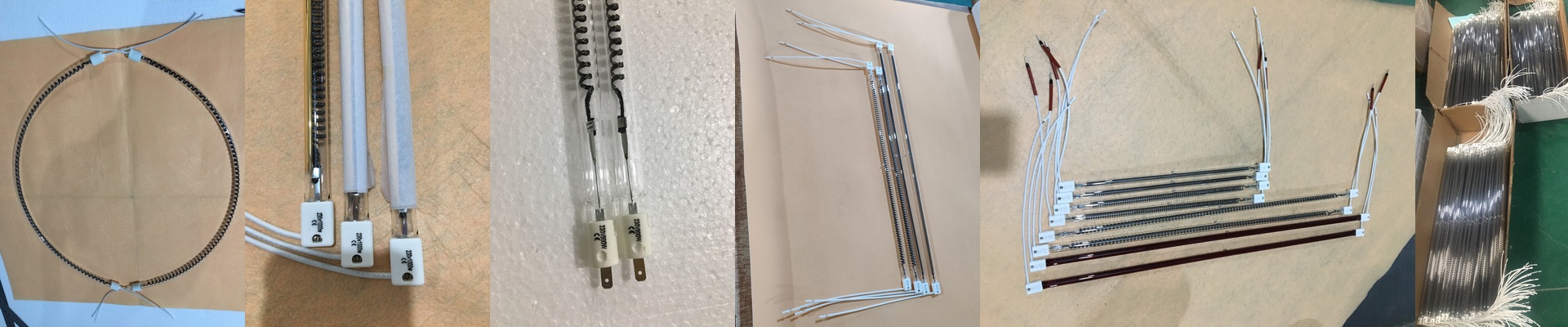
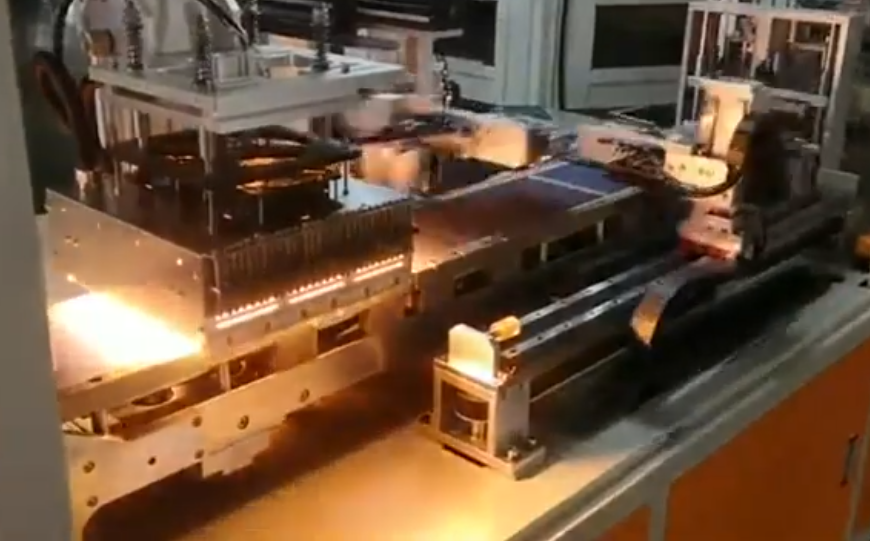
If you’ve ever tried to cure electronic glues by just cranking up the heat, you know it rarely works the way you want. You can’t just blast a PCB with raw heat and hope for the best. It’s more about a conversation between your lamp and your glue. Specifically, the infrared (IR) light coming off the lamp needs to match the “absorption peaks” of the adhesive. If those wavelengths aren’t in sync, the energy just bounces off the surface or vanishes into thin air. Total waste. The “Fingerprint” Factor Think of every adhesive as having its own unique absorption fingerprint. We’re looking for that sweet spot where the material actually swallows the energy. When your lamp hits the exact resonance of the glue’s molecular bonds, it’s like a light switch flipping. The energy turns into heat instantly, right inside the material. If you’re using a mismatched lamp, you’re forced to leave the boards in longer and turn the heat up higher. That’s where things get dicey. You might get the glue to set, but you’ll probably cook the delicate components sitting right next to the joint. Shortwave vs. Medium-Wave Here’s the trade-off: Shortwave IR can dig deeper into the material, but some polymers just don’t react to it very well. Medium-wave is usually where the magic happens for organic adhesives. By narrowing that spectral band, you’re putting the energy exactly where it needs to be. The temperature ramps up fast. Your cycle times drop. It just works better. The Reality Check Now, matching the band makes things way more efficient, but you can’t cheat the laws of physics. High-intensity IR arrays pack a serious punch of heat density. If you go for ultra-fast curing, you have to be smart about your conveyor speed and your cooling zones. If you don’t dial those in, you’re looking at warped substrates or thermal shock. I see this all the time. An engineer pushes for the fastest cure possible but forgets to upgrade the heat sinks. Sure, you got the speed, but now you’re fighting a thermal load that the rest of the board just can’t handle.