Why IR Heating Beats Hot Air for BGA Packages
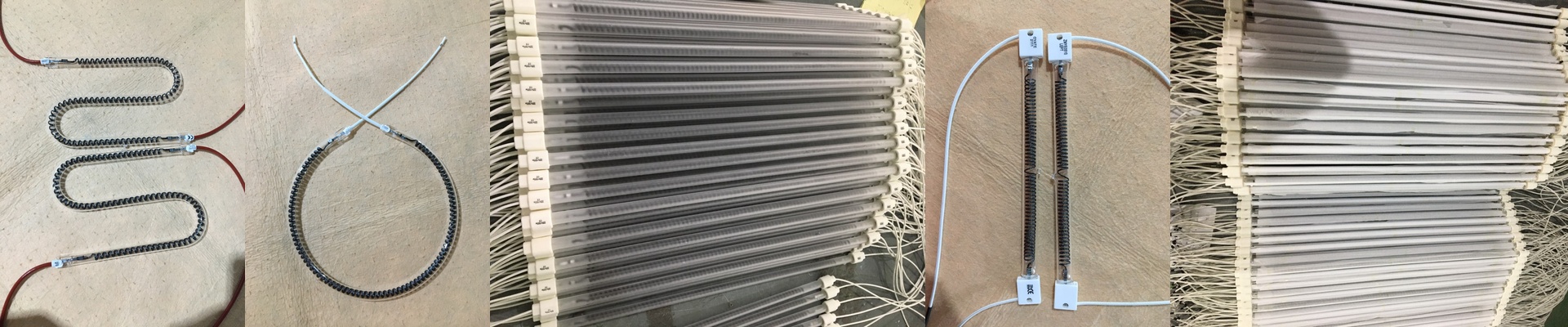
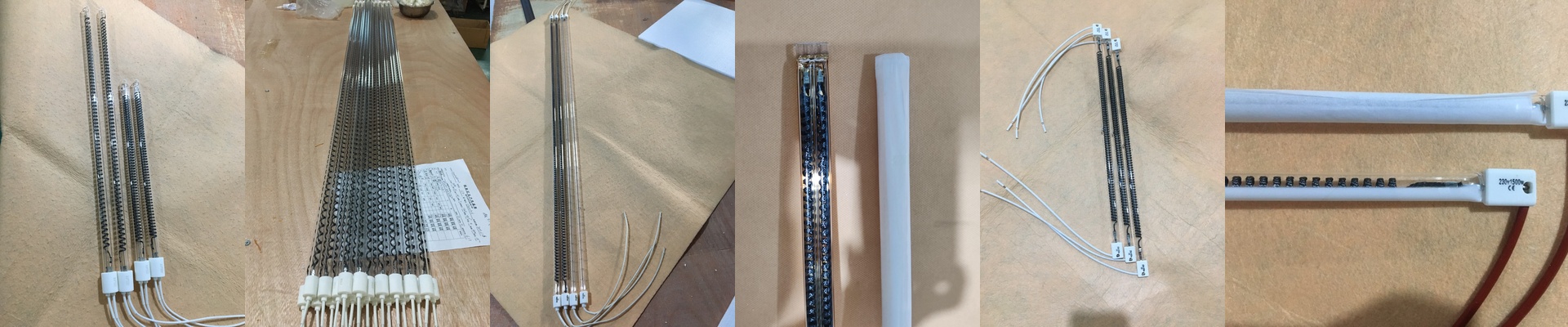
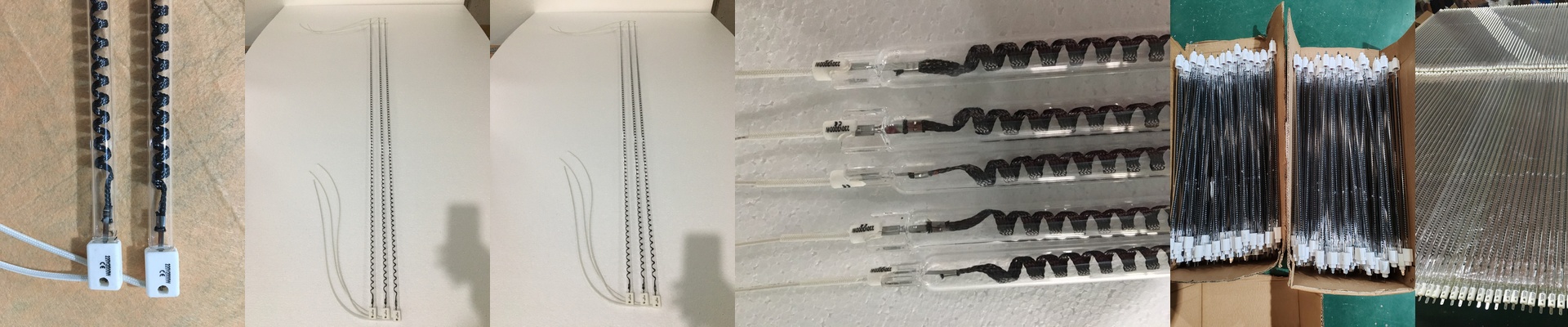
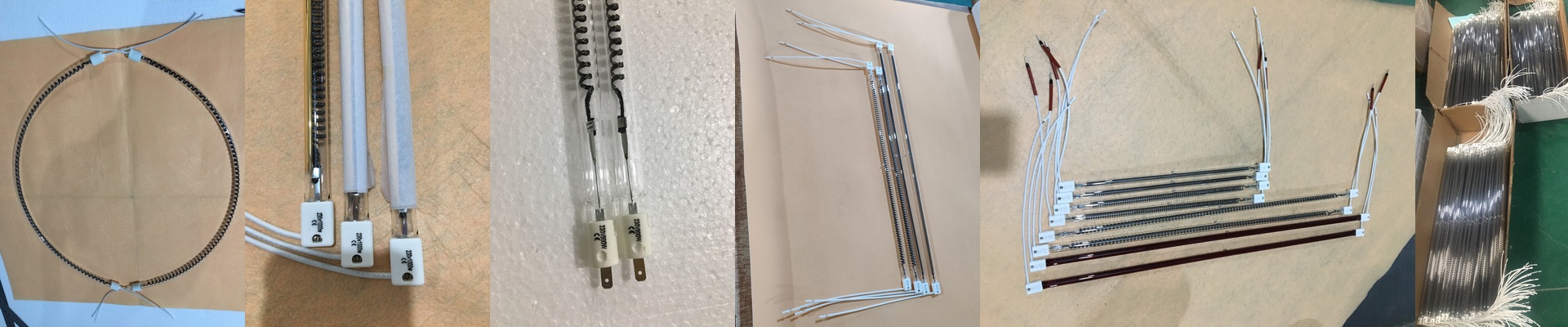
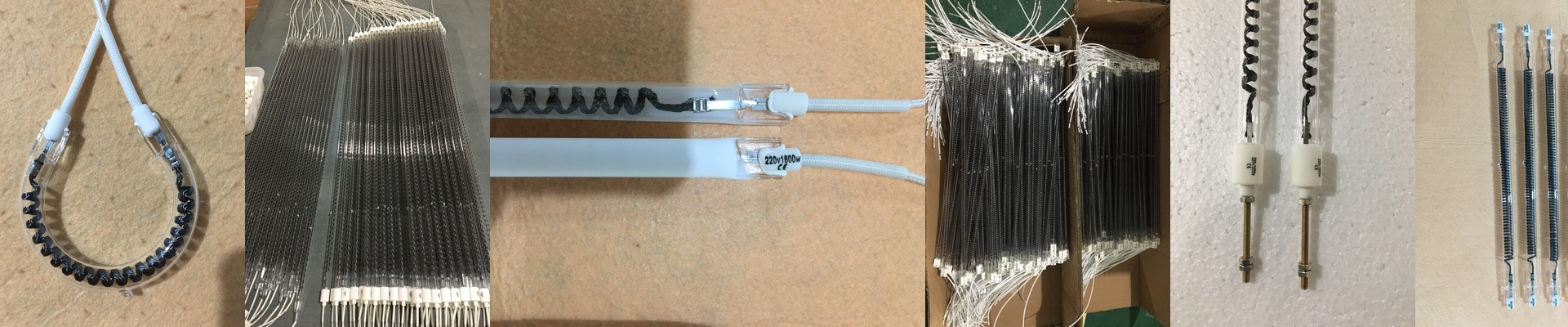
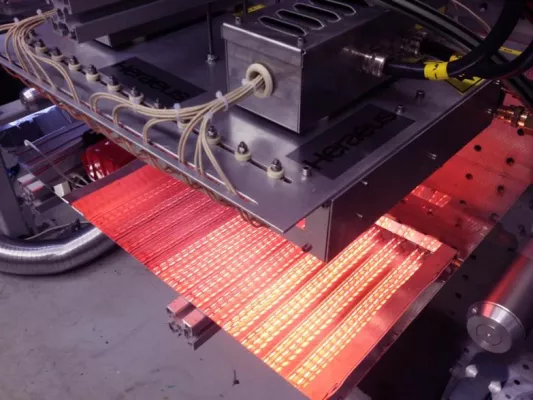
If you’ve ever tried soldering BGA components on a smart meter PCB, you know the headache of the “shadow effect.” Here’s the problem: standard hot air ovens rely on air flowing around the part. But BGA chips have hundreds of tiny solder balls hidden right underneath the package. The air just can’t get in there. You end up with uneven heat and those dreaded cold solder joints that fail the moment they leave the factory. The trick is using infrared (IR) lamps. Unlike hot air, IR doesn’t need a medium to move heat. It doesn’t “blow” heat; it radiates it. Think of it like the sun hitting your skin on a clear day. The waves travel in a straight line and hit the molecules of the PCB and the component directly. The energy actually penetrates the surface. For a BGA package, the radiation hits the board and the solder balls at the same time. It’s a deep, volumetric heat. No more waiting for the heat to slowly crawl under the chip. The solder hits its melting point faster and, more importantly, it happens evenly across the whole array. But you have to be careful. IR is fast. Sometimes too fast. Since it targets specific materials, your copper ground planes will soak up heat much quicker than the FR4 board. If you aren’t watching, you’ll get a temperature gap across the board that can cause it to warp. To keep things stable, we play around with wavelengths. Short-wave IR is great for a quick ramp-up, while medium-wave is better for that steady “soak” phase. It’s all about the balance between how far away the lamps are and how much power you’re pumping in. Push too many watts into a small spot and you risk burning the board or—even worse—causing the plastic package to “popcorn.” The trade-off IR lamps take up way less space and cut your cycle times down compared to those massive convection tunnels. Just keep in mind that IR is all about line-of-sight. If you have another tall component blocking the lamp, that spot stays cold. You’ll want to map out your board layout carefully to make sure nothing is casting a shadow over your critical solder points.