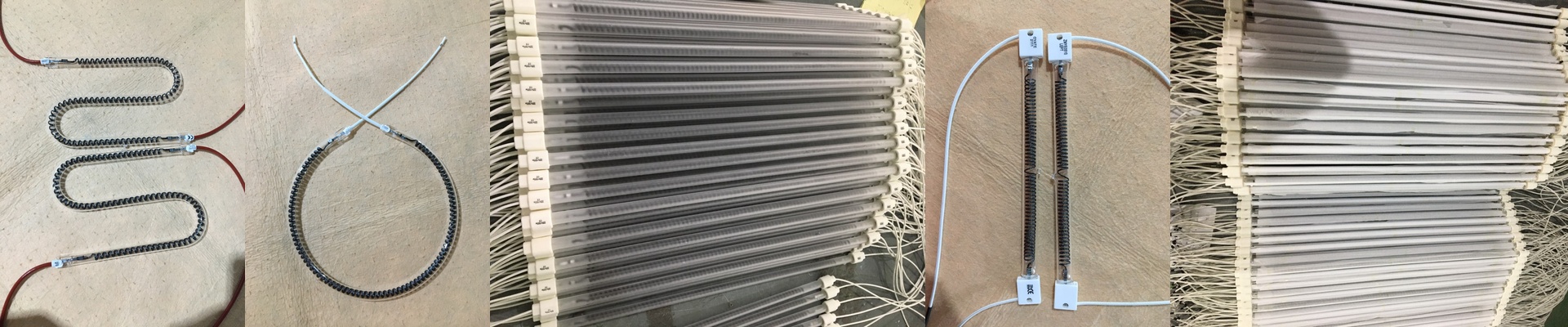
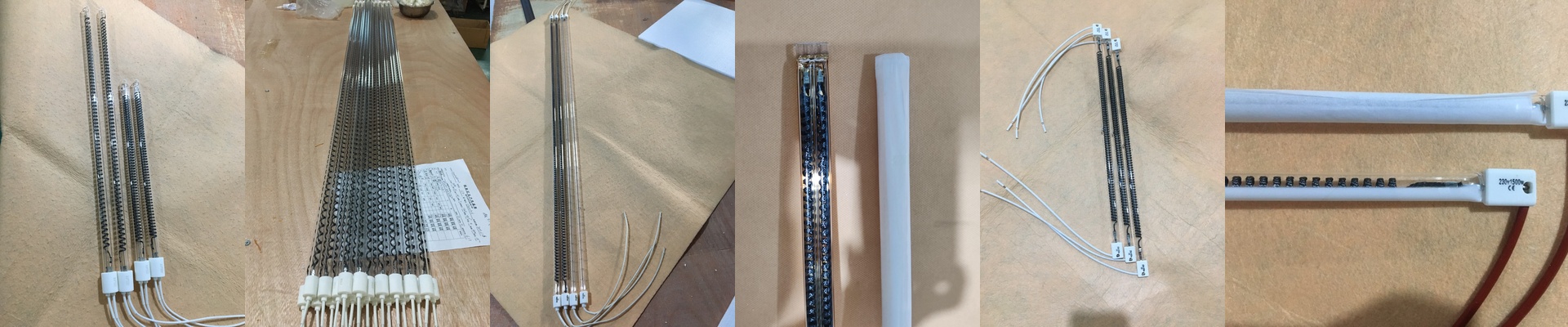
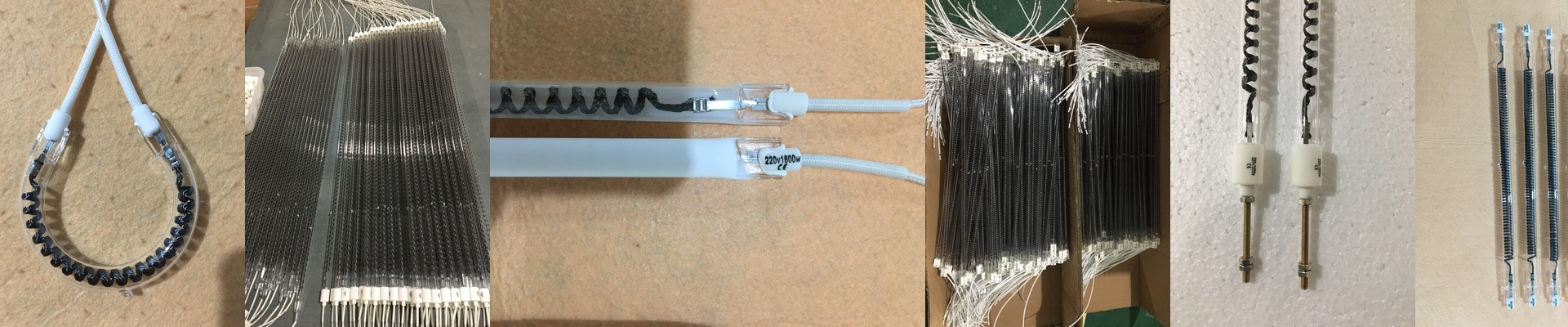
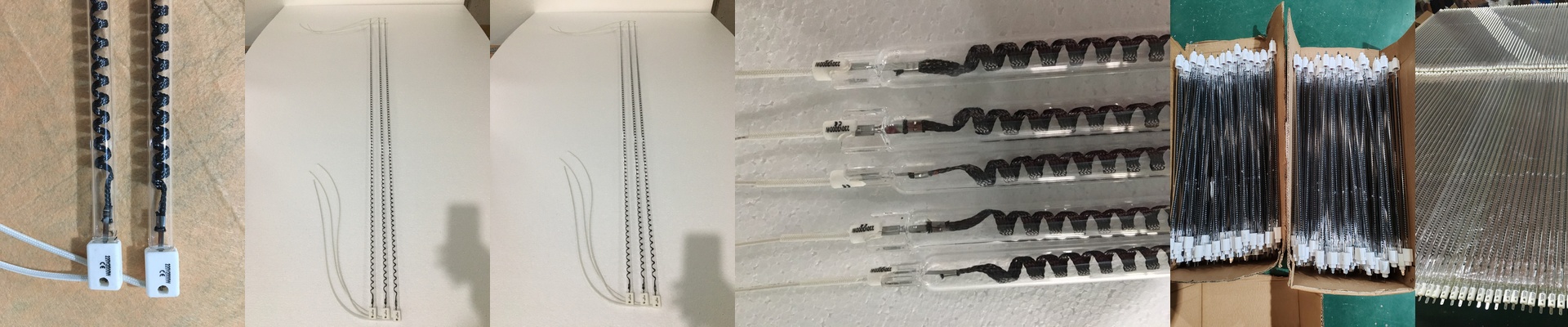
Stop Your IR Filaments From Sagging
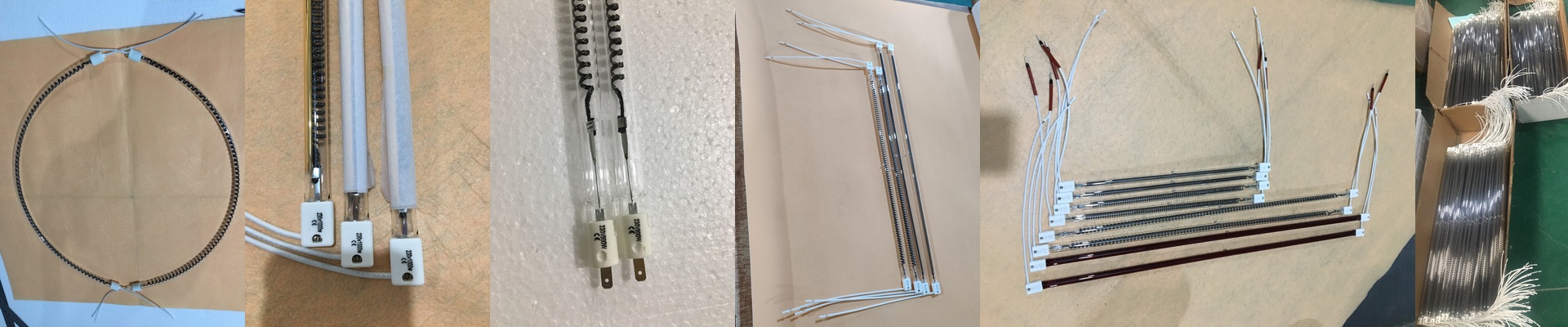
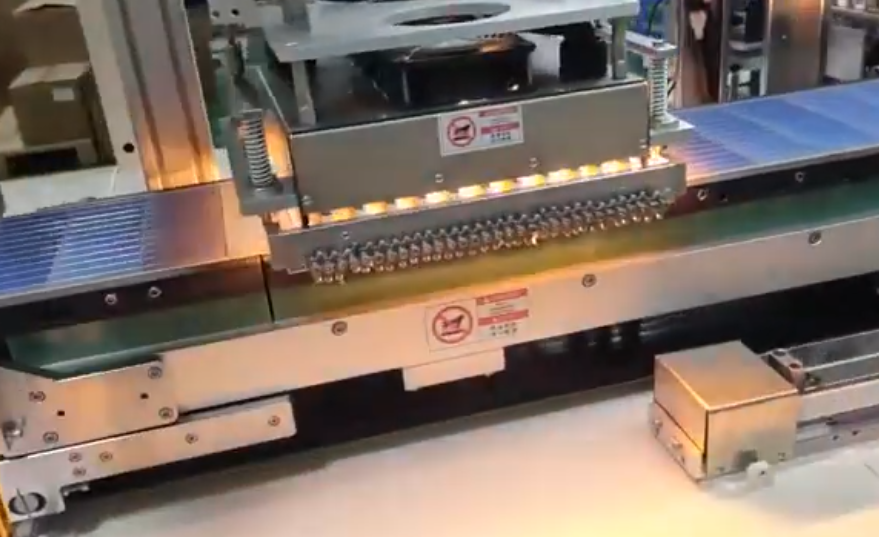
When you’re running infrared lamps in a “flash-bake” or rapid-pulse cycle, you’re dealing with more than just heat. You’re dealing with a physical fight. Every single time that lamp kicks on, the tungsten filament expands in a heartbeat. Then it cuts off, and it snaps back. Do that tens of thousands of times, and the filament starts to sag or shift. That’s usually when your support bracket gives up the ghost. The battle against thermal fatigue We build our supports to take a beating. See, if the bracket material doesn’t expand and contract at the same rate as the quartz envelope, all that stress piles up right at the seal. It’s a recipe for disaster. That’s why we use high-grade alloys. They stay stiff even when things get scorching, which keeps the filament from drooping. Why does a little droop matter? Because it changes the gap between the wire and the quartz wall. Suddenly, you’ve got “hot spots” that can crack the tube or leave your workpiece heated unevenly. We don’t guess on this—we run these through 50,000+ rapid-fire cycles just to make sure the geometry holds up. Finding the sweet spot You might think, “Just make the bracket rock solid.” But there’s a catch. If the support is too stiff, the tungsten has nowhere to go when it expands. It’ll just burn itself out. It’s a balancing act. We tune the tension so there’s enough room for microscopic movement, but not enough for the filament to actually deform. Real-world tips for the shop floor When you’re wiring these into your smart grid repair system, keep an eye on your PID controllers. Make sure they’re tuned for how fast these lamps actually ramp up. And a heads-up: if you push the pulse frequency past the rated spec, you’re going to kill your supports a lot faster. One last thing—check your mounting clips for vibration. If the machine is shaking while the lamps are pulsing, those two forces work together to tear the hardware apart. Keep it steady, and your lamps will last a whole lot longer.