Keeping Your PCB Flash-Heating Lamps From Giving Up
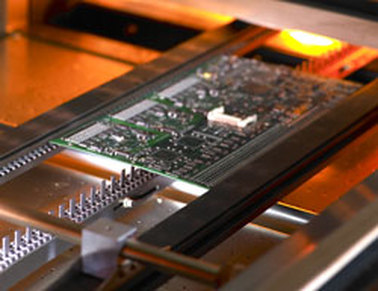
When you’re putting together smart meter PCBs, you need heat—and you need it fast. We use infrared lamps for “flash-heating” to cure adhesives or set solder, which basically means blasting the board with heat in quick, repetitive bursts. But here’s the real headache. It’s not about hitting that target temperature. It’s about making sure the lamp doesn’t warp or just quit on you after ten thousand cycles of switching on and off.
Why These Lamps Wear Out
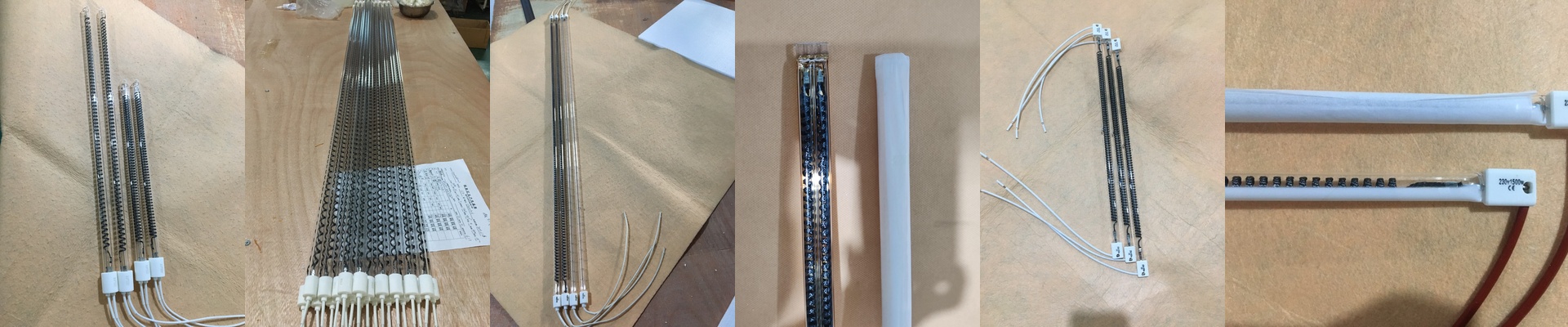
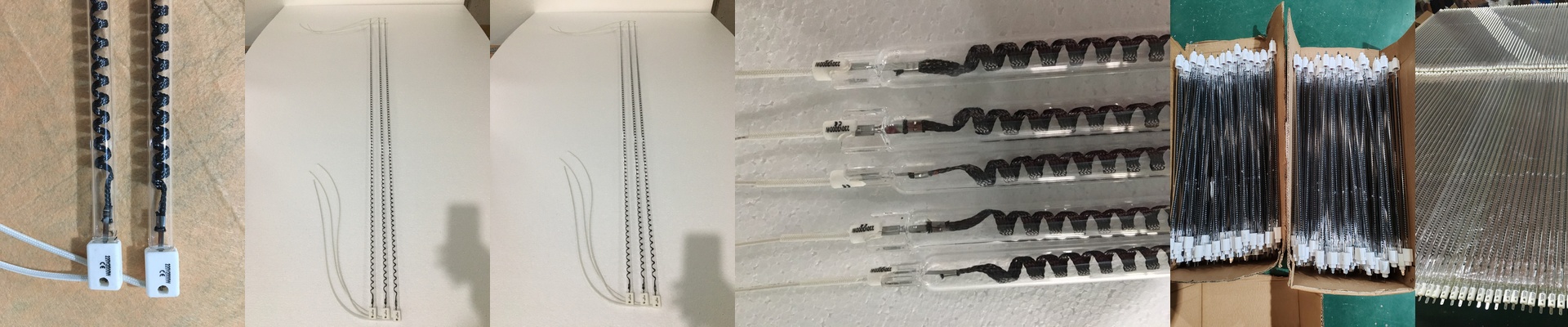
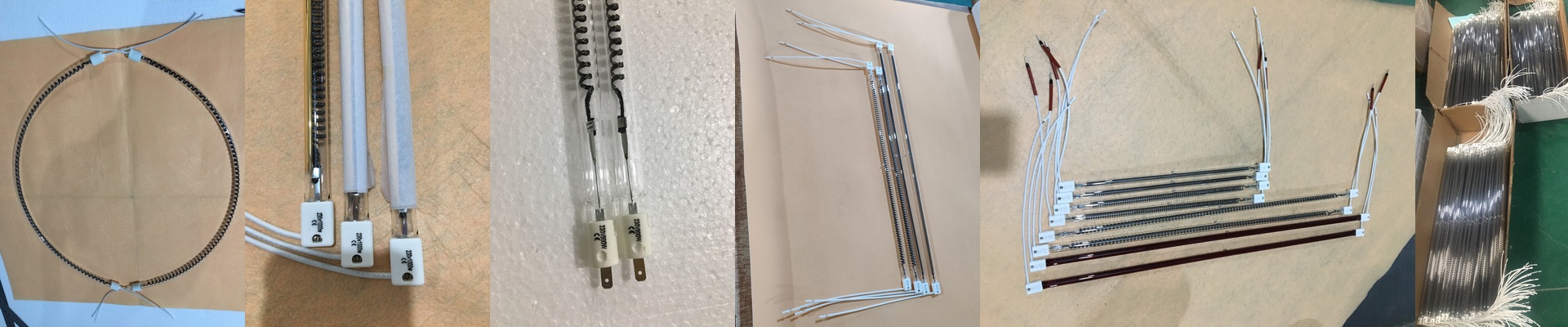
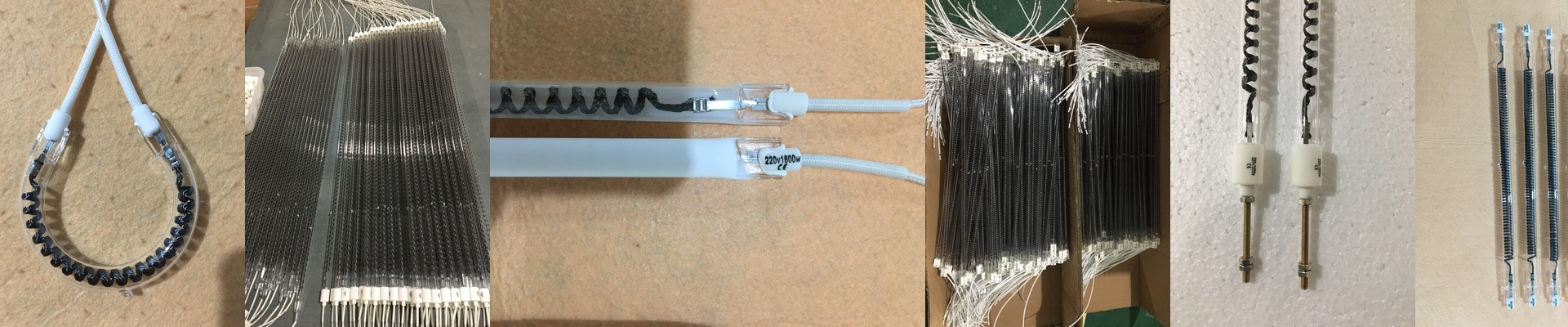
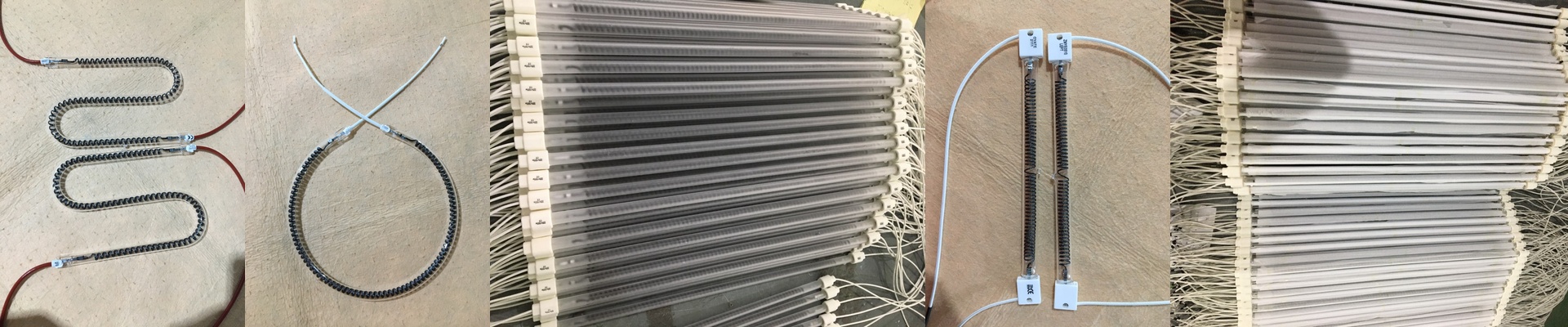
Think about what’s happening inside a quartz lamp. Every time the power kicks in, the tungsten filament expands. The second the power cuts, it shrinks back. In a flash-heating setup, this happens in a heartbeat. That constant stretching and shrinking puts a ton of stress on the supports holding the filament. If those supports aren’t exactly right, the filament starts to sag. And once it sags, you’re in trouble. You get hot spots and cold spots on your PCB, which means some boards get scorched while others have solder joints that just won’t hold.
How We Stop the Sag
We deal with this by getting the tension on the filament supports just right. We also use high-purity quartz glass that doesn’t expand nearly as much when it gets hot. The goal is to let the supports soak up that stress without letting the filament shift off-center. To make sure it actually works, we put our lamps through a gauntlet—50,000 rapid pulses. If the filament stays straight, it passes. If it doesn’t, it’s trash.
The Trade-offs You Need to Know
High-intensity heating is great for getting boards through the line faster, but it’s a heavy lift for your hardware. Your power relays and wiring are going to feel the strain. And you can’t just run these lamps at full blast forever. You need a plan to keep the housing cool. If your enclosure isn’t venting that ambient heat, the quartz tube will overheat and burn out way sooner than it should. The trick is to match how often you pulse the lamps with how fast your machine can actually shed that heat. It keeps everything running smooth and saves you from replacing tubes every other week.