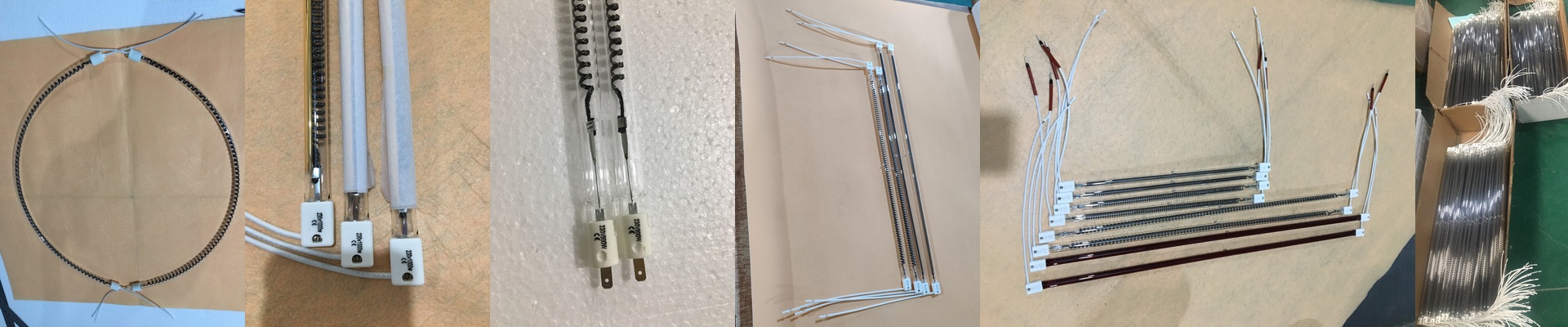
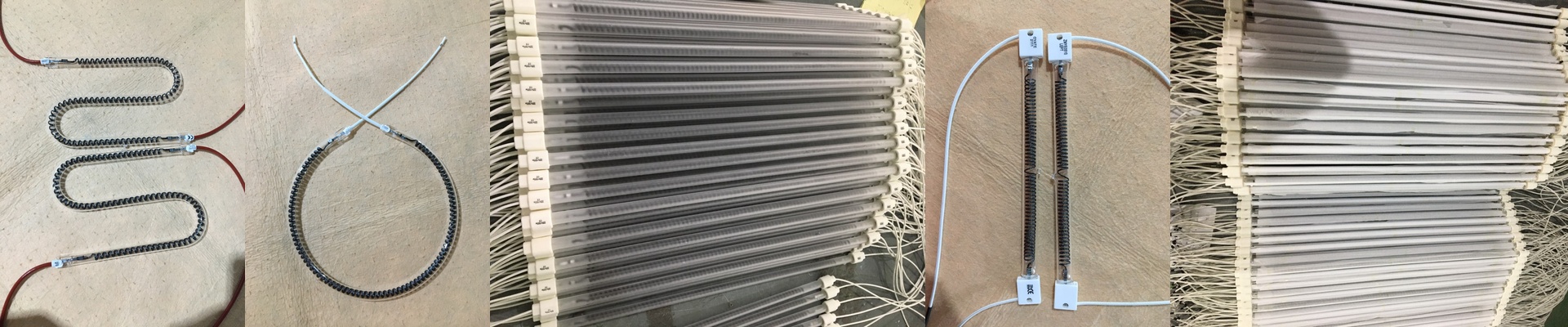
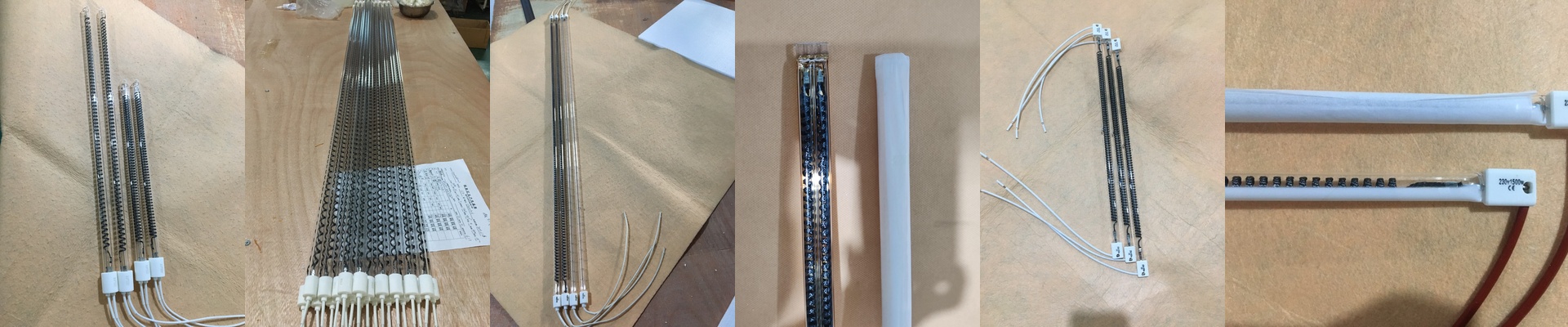
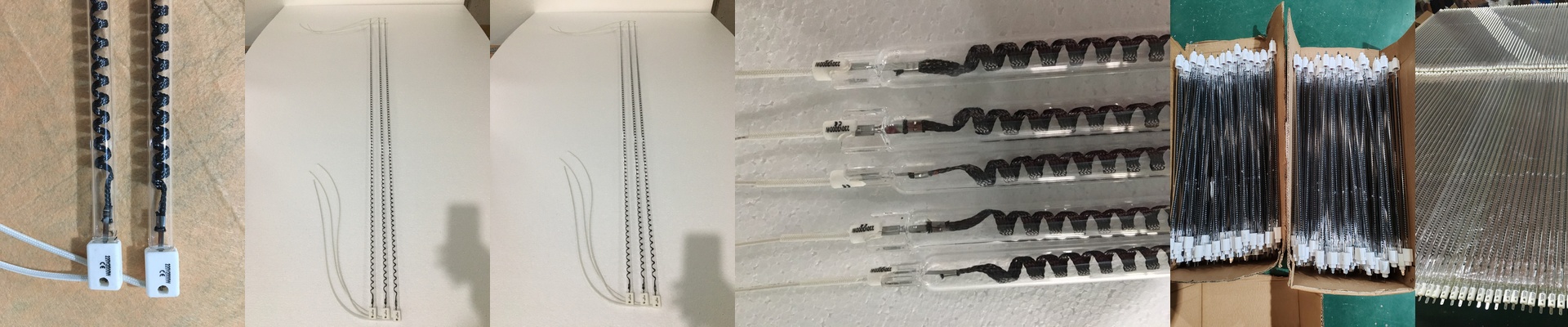
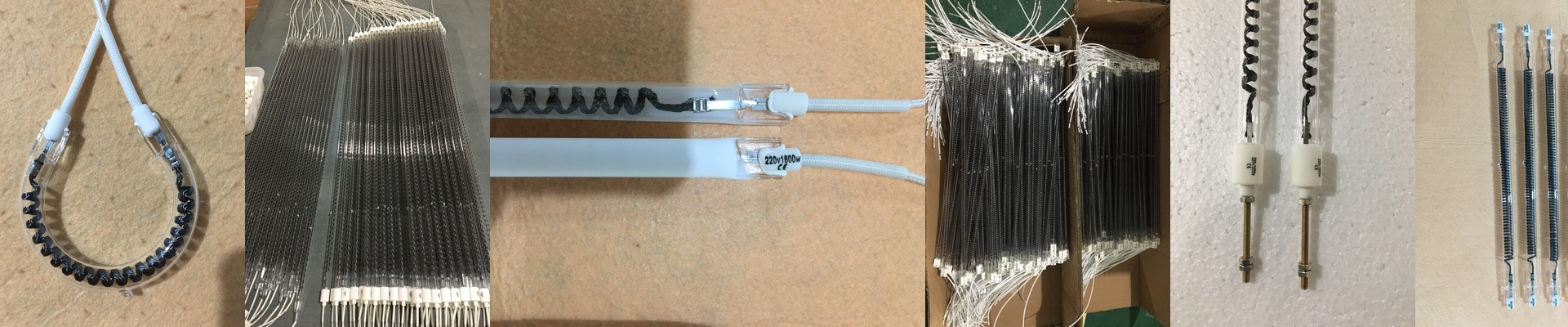
Let’s talk about carbon far infrared heaters
When we build our FIR heaters, we’re looking for one thing: heat that actually gets deep into your muscles, not just something that makes your skin sweat. Most people are used to those quartz lamps with the glowing filaments. We do things differently. We embed carbon fiber into a silicone or ceramic base. It sounds technical, but all it really means is that the heat moves in a way that feels more natural. The “Soak” vs. The “Sting” Here’s the thing about the waveband. Carbon emitters work in a long-wave spectrum (3 to 10 microns). Since our bodies are mostly water, these waves just… click. They resonate. Instead of that sharp, stinging heat you get from short-wave lamps—which can feel like you’re being scorched on the surface—this is more of a volumetric soak. It’s a steady, low-intensity warmth that feels like it’s hugging you from the inside out. Keeping things cool (where it matters) We make the heaters with a wide footprint. Why? Because we want to spread the wattage out. Nobody wants a “hot spot” on their sauna wall that could burn them. On the electrical side, we stick to 110V or 220V depending on how big the cabin is. We also use high-temp silicone leads. It’s a small detail, but it keeps the wiring from getting brittle or melting after a few hundred heat cycles. One quick tip: watch your power supply. If you cram too much wattage into a tiny room, you’ll trip the thermal cutoff way too early. It’s all about balance. What to expect during install These are basically drop-in replacements for old-school stoves. You just mount them to the wall or ceiling and you’re good to go. Since there’s no glowing filament, they’re much safer if you happen to touch them. But there is a trade-off. They don’t snap to temperature instantly like a halogen tube does. They take a bit of time to ramp up. If you need “instant-on” heat, carbon isn’t your best bet. But if you want that deep, sustained warmth that actually relaxes your body? This is exactly what you’re looking for.